Allahabad HC dismisses plea to quash FIR in Nikah Halala gangrape case; Similar cases highlight pattern of abuse
The Allahabad High Court has refused to quash an FIR in an alleged nikah halala gangrape case from Uttar Pradesh"s Amroha district, holding that personal laws cannot be used as a shield against criminal prosecution. The ruling comes amid a series of similar cases across Uttar Pradesh where women have alleged rape, coercion and sexual exploitation under the pretext of halala.
Total Views |


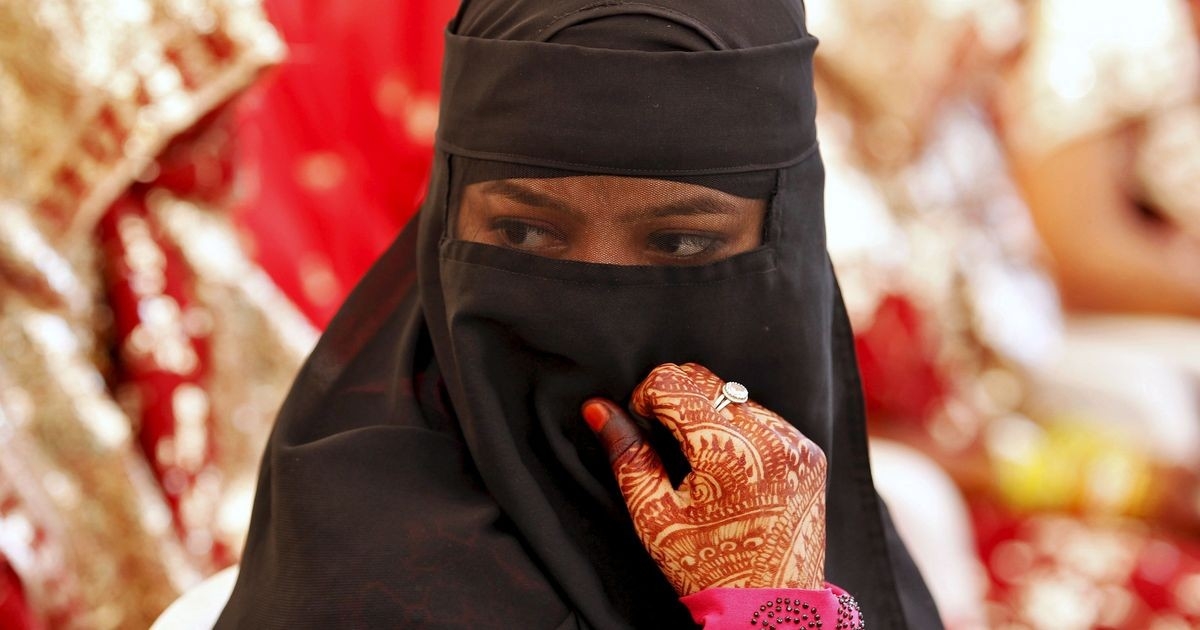
The Allahabad High Court has dismissed petitions seeking the quashing of an FIR lodged in Uttar Pradesh's Amroha district, where a woman alleged that she was raped and gangraped under the guise of nikah halala to facilitate remarriage with her husband.
A Division Bench comprising Justice JJ Munir and Justice Tarun Saxena held that personal laws governing marriage cannot be invoked as a defence when allegations disclose the commission of criminal offences.
"When it comes to criminal law, unless the law itself provides an exception, there is no place for pleading personal laws governing marriage if a crime has been committed," the court observed.
The bench clarified that it was not examining the constitutional validity of nikah halala in the present proceedings. However, it stated that where criminal acts are alleged under the cover of a religious or personal practice, criminal law would prevail.
The court further noted that if a minor girl is subjected to sexual relations under the pretext of halala, the provisions of the Protection of Children from Sexual Offences (POCSO) Act would be attracted.
Personal law cannot override criminal law; the Allahabad HC has ruled while refusing to quash an FIR for repeated rapes under the guise of Nikah Halala.https://t.co/3wR6o6lDSM
— OpIndia.com (@OpIndia_com) July 13, 2026
The Court held that if allegations disclose offences under the BNS or POCSO Act, neither personal nor… pic.twitter.com/EywUH2iDju
What the Amroha case is about
The FIR, registered on December 9, 2025, invokes provisions of the Bharatiya Nyaya Sanhita (BNS) relating to rape, gangrape and cruelty, along with sections of the Muslim Women (Protection of Rights on Marriage) Act, 2019, and the POCSO Act.
According to the complaint, the woman was allegedly compelled to undergo nikah halala after being divorced by her husband. The FIR names the husband, a cleric, the husband's brother and his nephew among the accused.
Court records indicate that the first alleged incident occurred when the woman was 16 years old.
The High Court observed that the allegations prima facie disclose offences under the POCSO Act and gangrape provisions. Describing the facts brought before it as "shocking to the conscience", the court held that the matter requires a detailed investigation and cannot be terminated at the preliminary stage.
The petitions were consequently dismissed, allowing the investigation to proceed.
Arrest of cleric in the Same Amroha case
The Amroha case has already seen significant developments during the investigation.
In April 2025, police arrested cleric Maulana Nadeem, one of the accused in the case. The survivor alleged that he facilitated a nikah using forged documentation, which was then used to justify her sexual exploitation under the pretext of halala.
According to the complaint, the woman was forced into marriage at the age of 15 and was subjected to instant triple talaq twice. She alleged that multiple halala arrangements were orchestrated as part of a larger pattern of abuse.
Investigators expanded the case beyond the triple talaq law to include charges under the POCSO Act, child marriage laws, rape, criminal conspiracy and coercion. The case currently names multiple accused.
The survivor alleged that the cleric played a central role in legitimising arrangements that ultimately led to sexual assault in the name of religious compliance.
2018 Moradabad Case: Forced Nikah to Father-in-Law
The Amroha allegations are not the first such case to emerge from Uttar Pradesh.
In 2018, a woman from Moradabad alleged that she was forced to undergo nikah halala after a dispute with her husband and in-laws.
According to her complaint, she had married in 2014 but was allegedly thrown out of her matrimonial home a year later. After legal proceedings and a reconciliation attempt, she returned to her husband.
However, she alleged that her husband, father-in-law, uncle-in-law and two clerics claimed that her separation amounted to a divorce and that she would have to undergo halala before she could resume her marriage.
The woman alleged that despite her objections, she was forcibly married to her father-in-law.
She further alleged that she was locked in a room and raped by him. The next morning, she was divorced from him.
According to the FIR, her husband subsequently had sexual relations with her and she later became pregnant.
The woman alleged that when she attempted to complain to authorities, she and her family received threats. Police eventually registered a case against her husband, father-in-law, uncle-in-law and two clerics, including charges of gangrape.
The case drew national attention and intensified debate around halala and triple talaq practices.
Bijnor Woman Alleges Rape by Brother-in-Law During Halala
Another similar case emerged from Bijnor district, where a woman alleged that her husband pronounced instant triple talaq after assaulting her and later forced her to undergo halala.
According to the complaint, despite receiving substantial dowry at the time of marriage, her in-laws continued to harass her.
She alleged that after being beaten by her husband, he pronounced "talaq" three times and expelled her from the house.
When she approached the police, family members allegedly persuaded her to return by promising remarriage.
Before the proposed remarriage, however, the husband allegedly insisted that she first undergo halala with his elder brother.
The woman alleged that she opposed the demand but was subsequently raped by her brother-in-law in the name of halala. She further claimed that she was confined to the house and prevented from contacting her family.
An FIR was eventually registered after she approached senior police officials.
Police booked the husband, his elder brother and other family members. A separate rape case was registered against the brother-in-law.
Growing Scrutiny of Halala-related Abuse Allegations
The Allahabad High Court's latest order comes against the backdrop of multiple allegations from Uttar Pradesh involving women who claim they were subjected to rape, coercion, child marriage and sexual exploitation under the pretext of nikah halala.
While courts have repeatedly clarified that the constitutional validity of halala remains a separate legal issue, judicial authorities have increasingly emphasised that criminal acts allegedly committed under the cover of any personal or religious practice cannot be exempt from prosecution.
With the High Court refusing to intervene in the Amroha case, investigators will now continue their probe into allegations that have once again brought the controversial practice under public and legal scrutiny.