2.3 cr litres of synthetic milk made using detergent powder, palm oil; Maharashtra FDA exposes scam
To mimic real milk and hit the expected fat content, the accused allegedly relied on detergent powder, palm oil, and cheap chemical additives
Total Views |


A deeply troubling discovery has come to light through a joint probe by police and the Food and Drug Administration (FDA) into a widespread milk adulteration racket operating in Bhoom taluka, Dharashiv district, Maharashtra.
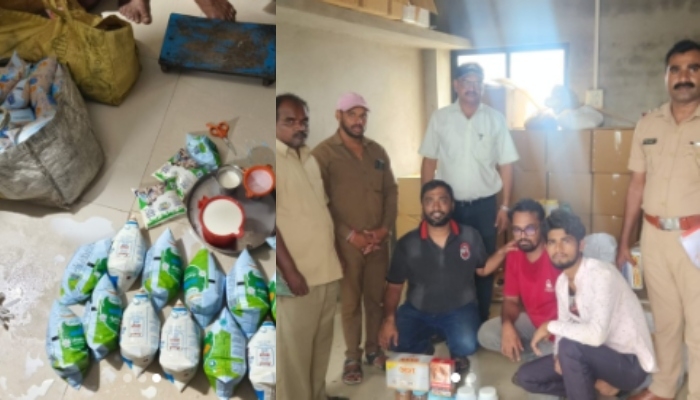
A review of sales registers seized from the accused shows that roughly 2,30,470 kilograms of substandard milk powder were used over the past six months to produce fake milk. This quantity was allegedly enough to manufacture around 23,04,070 litres of synthetic milk, valued at an estimated Rs 9 crore 21 lakh 62 thousand 800.
Perhaps the most disturbing finding is that the accused were reportedly blending 10 litres of this synthetic milk into every 100 litres of genuine milk, a 10% adulteration rate. Extrapolating from this figure, authorities suspect that upwards of 2.3 crore litres of adulterated milk may have been distributed across Maharashtra from collection centres in the Bhoom belt.
To mimic real milk and hit the expected fat content, the accused allegedly relied on detergent powder, palm oil, and cheap chemical additives. Seven people have been booked under strict legal provisions in this case, though all of them remain untraced even eight days after the FIR was filed.
VIDEO | When asked about the adulteration in milk products and risks associated with delivery partners, Maharashtra FDA Commissioner Tukaram Mundhe says:
— Press Trust of India (@PTI_News) July 13, 2026
"See as per the act, food in India is categorized almost in 18 categories. And some of those categories are high risk… pic.twitter.com/wIfKbcixWW
A Special Investigation Team (SIT), headed by a police inspector, has been set up to hunt down the absconding suspects, with raids underway at locations believed to be their hideouts. Health experts caution that regularly consuming milk laced with detergent and palm oil can severely harm the liver, kidneys, and digestive system, posing a particularly grave risk to children, pregnant women, and elderly individuals. Under the Food Safety Act, such cases of hazardous adulteration carry harsh consequences, including fines of up to Rs 10 lakh and possible life imprisonment.
Bhum Police Inspector Shriganesh Kanagude said, "During the raid, officials seized 61 bags of adulterated milk powder. Preliminary investigations reveal that Balasaheb Godge was supplying the adulterated milk powder to several dairy units in the Bhum region for the preparation of adulterated milk."
He added that the investigation points to several milk collection centres being part of the wider network, though the buyers who purchased the thousands of litres of contaminated milk made from this powder have not yet been traced or arrested. According to Kanagude, the entire operation was disguised as a cattle-feed business. He also noted that Bhum taluka ships out lakhs of litres of milk daily and produces close to 70-80 tonnes of khoya, underlining the scale and significance of the case.