Taslima returns, fear retreats
Total Views |


History sometimes returns quietly. Not to celebrate the past, but to expose it. Taslima Nasrin's return to Kolkata after nearly two decades is one such moment. The writer who found refuge in Bengal was once forced to leave because politics lacked the courage to defend freedom. Today, her return is not merely the end of an exile but it is Bengal's opportunity to reclaim its civilisational confidence. It is a moment of reckoning for Bengal. The city that once proudly called itself India's intellectual capital must now confront an uncomfortable truth it had failed one of its own.

The irony could not have been greater. Bengal is the land of social reformers, who challenged orthodoxy. It is the land of Ishwar Chandra Vidyasagar, who fought entrenched social customs. It is the land of Bankim Chandra Chattopadhyay, Swami Vivekananda and Rabindranath Tagore, who believed that civilisation advances through fearless inquiry and debate. But this very Bengal surrendered before organised intimidation.
Instead of demonstrating that India was different, Bengal's political establishment buckled under pressure. The Congress had perfected the politics of minority appeasement. The Communist regime, despite claiming to champion free thought, proved unwilling to defend free expression when confronted by organised street protests. The Trinamool Congress inherited much of the same political instinct avoiding confrontation with influential vote banks even when constitutional values demanded firmness. Different governments. The same political calculation - appeasement politics. The casualty was not merely one writer. The casualty was Bengal's moral authority.
No democracy can survive if mobs decide who may write, speak or publish. Constitutional rights become meaningless if governments withdraw protection whenever threats of violence appear. The State exists precisely to ensure that intimidation does not become an alternative to law. This debate is not about whether every sentence written by Taslima Nasrin deserves agreement. Many readers disagree with aspects of her work. That is perfectly moral and legitimate. In a democracy, books are answered with books, arguments with arguments and ideas with ideas and not with threats, riots or exile.
A civilisation does not become weaker because someone questions religious practices. It becomes weaker when governments lose the courage to defend the right to ask uncomfortable questions. Bengal's greatest reformers were themselves critics of orthodoxy. Had they surrendered to social pressure, the Bengal Renaissance would never have occurred.
Today, there are many who argue that India's political climate has changed and that governments are increasingly willing to defend free expression against intimidation rather than yield to it. This is attributed to the rise of the BJP or to a broader change in public expectations, the larger principle deserves support: constitutional rights cannot depend upon the threat perception created by organised groups.
The lesson extends beyond one individual or one episode. Every form of religious extremism that seeks to silence lawful expression must be resisted. A confident democracy protects criticism of ideas while safeguarding the equal dignity and rights of every citizen. The answer to a controversial book is public debate—not coercion.
Taslima Nasrin's return should therefore not be treated merely as a literary event. It is a civilisational moment. It asks whether Bengal still possesses the intellectual courage that once made it the conscience of India. The city that once gave the nation reformers, philosophers and revolutionaries now has an opportunity to redeem itself. By welcoming the writer it once failed to protect, Bengal can send a powerful message that fear will no longer dictate public life, that constitutional liberty will prevail over intimidation, and that the politics of appeasement must finally give way to the politics of principle.
Twenty years ago, Bengal allowed fear to triumph over freedom. Today, it has an opportunity to reverse that verdict. Taslima Nasrin's return is not simply the homecoming of an exiled writer. It is the return of an idea—that no civilisation worthy of its name can survive if writers live in exile while those who threaten them dictate the terms of public life. Bengal's true renaissance will begin not when it celebrates its past, but when it finds the courage to defend that principle without hesitation.
When Taslima sought refuge in Kolkata after being driven out of Bangladesh by Islamist extremists, she did not arrive as a stranger. She was a Bengali writer seeking shelter among fellow Bengalis. Language, literature and culture united her with Bengal far more deeply than any political identity. But when violent protests erupted in 2007, the State failed to defend her right to live and write in peace. Instead of confronting those threatening violence, it chose the easier course and it removed the victim.That remains one of the darkest chapters in modern Bengal's political history.
The irony could not have been greater. Bengal is the land of social reformers, who challenged orthodoxy. It is the land of Ishwar Chandra Vidyasagar, who fought entrenched social customs. It is the land of Bankim Chandra Chattopadhyay, Swami Vivekananda and Rabindranath Tagore, who believed that civilisation advances through fearless inquiry and debate. But this very Bengal surrendered before organised intimidation.
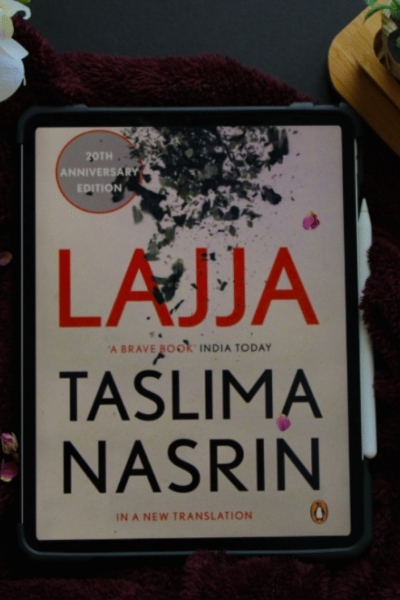
Taslima Nasrin's writings have always challenged religious orthodoxy and defended women's rights. Her novel Lajja, written after attacks on Bangladesh's Hindu minority in the aftermath of the Babri Masjid demolition, exposed the destructive consequences of religious extremism and intolerance. The response was swift. Her book was banned. Fatwas were issued. Threats multiplied. In 1994, she was forced into exile from Bangladesh, a country where Islamist groups declared that criticism of religious doctrine itself was unacceptable. History repeated itself in Kolkata.
ALSO READ: SC approves judicial sensitivity guidelines for sexual offence cases, flags repeated insensitive court orders
No democracy can survive if mobs decide who may write, speak or publish. Constitutional rights become meaningless if governments withdraw protection whenever threats of violence appear. The State exists precisely to ensure that intimidation does not become an alternative to law. This debate is not about whether every sentence written by Taslima Nasrin deserves agreement. Many readers disagree with aspects of her work. That is perfectly moral and legitimate. In a democracy, books are answered with books, arguments with arguments and ideas with ideas and not with threats, riots or exile.
Taslima's return therefore represents something much larger. It symbolises Bengal's opportunity to emerge from a fear psychosis that haunted its politics for decades. For too long, governments appeared more concerned about managing electoral arithmetic than defending constitutional freedoms. The message was dangerous and it was that the organised pressure could silence inconvenient voices. That mindset has inflicted enormous damage upon Bengal's intellectual culture.
A civilisation does not become weaker because someone questions religious practices. It becomes weaker when governments lose the courage to defend the right to ask uncomfortable questions. Bengal's greatest reformers were themselves critics of orthodoxy. Had they surrendered to social pressure, the Bengal Renaissance would never have occurred.
The lesson extends beyond one individual or one episode. Every form of religious extremism that seeks to silence lawful expression must be resisted. A confident democracy protects criticism of ideas while safeguarding the equal dignity and rights of every citizen. The answer to a controversial book is public debate—not coercion.
Taslima Nasrin's return should therefore not be treated merely as a literary event. It is a civilisational moment. It asks whether Bengal still possesses the intellectual courage that once made it the conscience of India. The city that once gave the nation reformers, philosophers and revolutionaries now has an opportunity to redeem itself. By welcoming the writer it once failed to protect, Bengal can send a powerful message that fear will no longer dictate public life, that constitutional liberty will prevail over intimidation, and that the politics of appeasement must finally give way to the politics of principle.
Twenty years ago, Bengal allowed fear to triumph over freedom. Today, it has an opportunity to reverse that verdict. Taslima Nasrin's return is not simply the homecoming of an exiled writer. It is the return of an idea—that no civilisation worthy of its name can survive if writers live in exile while those who threaten them dictate the terms of public life. Bengal's true renaissance will begin not when it celebrates its past, but when it finds the courage to defend that principle without hesitation.