Parliament’s Monsoon Session to focus on education, FCRA, MSME and judicial reforms; Seven key bills listed
The Centre has outlined an extensive legislative agenda for the upcoming Monsoon Session of Parliament, listing seven key bills for consideration and introduction. Major proposals include higher education reforms through the Viksit Bharat Shiksha Adhishthan Bill, amendments to the Foreign Contribution Regulation Act (FCRA), measures to strengthen MSMEs, an increase in the sanctioned strength of Supreme Court judges, and changes to birth and death registration laws.
Total Views |


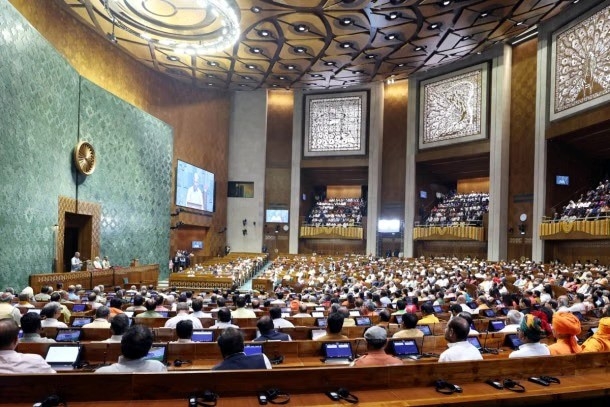
The Government has finalised a broad legislative agenda for the upcoming Monsoon Session of Parliament, placing seven key bills on its tentative business list, including major reforms in higher education, foreign funding regulations, judicial administration and support for small businesses.
According to the legislative schedule circulated ahead of the session, two bills are slated for consideration and passage, while five new bills are proposed to be introduced. The agenda reflects the government's focus on governance reforms, ease of doing business, education sector restructuring and strengthening institutional mechanisms.
Parliament Monsoon Session: FCRA Amendment Bill, Shiksha Adhishthan Bill among 7 legislations likely to be tabled
— ANI Digital (@ani_digital) July 16, 2026
Read @ANI Story |https://t.co/9qyzIKhAra #Parliament #MonsoonSession #FCRABill #VBSA pic.twitter.com/v1jO1GSrxe
One of the most significant bills likely to come up during the session is the Viksit Bharat Shiksha Adhishthan Bill, 2025, which seeks to overhaul India's higher education regulatory framework. The proposed legislation aims to replace the University Grants Commission (UGC), All India Council for Technical Education (AICTE) and National Council for Teacher Education (NCTE) with a unified regulatory structure.
The bill, introduced by Union Education Minister Dharmendra Pradhan in December 2025, is a key component of implementing the National Education Policy (NEP) 2020. It seeks to streamline regulation, reduce duplication of oversight and create a more efficient governance structure for higher education institutions. The legislation was referred to a Joint Parliamentary Committee (JPC), which is expected to submit its report during the Monsoon Session before the bill is taken up for discussion and passage.
Another important legislation listed for consideration is the Foreign Contribution (Regulation) Amendment Bill, 2026. The bill proposes stricter oversight of foreign contributions received by non-governmental organisations (NGOs). Under the proposed changes, foreign funds and assets belonging to organisations whose FCRA registration is cancelled, surrendered or expires without renewal would vest in a government-notified designated authority.
The government has argued that the amendments are aimed at improving transparency, accountability and proper utilisation of foreign contributions.
ALSO READ : Maharashtra: 30 leftist organizations that extend support to Cockroach Janata Party ahead of protest in Pune
Among the new bills proposed for introduction is the Income-Tax (Amendment) Bill, 2026, which seeks to deepen India's sovereign debt market and encourage greater participation by long-term global investors. The government believes the proposed changes could enhance liquidity in financial markets and support economic stability amid global uncertainties, including supply-chain disruptions and fluctuating energy prices.
The Supreme Court (Number of Judges) Amendment Bill, 2026 is another significant proposal on the agenda. The legislation seeks to increase the sanctioned strength of judges in the Supreme Court. The move is expected to help address the growing caseload before the apex court and improve the pace of judicial disposal.
The government also plans to introduce the Registration of Births and Deaths (Amendment) Bill, 2026, aimed at strengthening the country's civil registration system. The proposed legislation introduces stricter compliance requirements and penalties for delayed registration, with the objective of improving the accuracy and reliability of demographic and administrative records.
Another bill likely to attract attention is the Prevention of Insults to National Honour (Amendment) Bill, 2026. The proposed amendments seek to strengthen safeguards relating to the National Flag, National Anthem and other national symbols. The government has indicated that the legislation is intended to modernise enforcement provisions and reinforce respect for national honour.
The MSME Development (Amendment) Bill, 2026 has also been listed for introduction. The proposed legislation focuses on improving the business environment for micro, small and medium enterprises by strengthening mechanisms to prevent delays in payments. It also proposes greater flexibility for state governments in setting up MSME Facilitation Councils to address disputes and support business growth.
Apart from legislative business, Parliament is expected to take up important financial matters, including the Demands for Excess Grants for the financial year 2022-23.
While the seven listed bills provide a clear indication of the government's priorities for the session, parliamentary sources note that the legislative agenda remains tentative and additional business can be introduced during the course of the Monsoon Session. With major reforms spanning education, governance, business and judicial administration on the table, the session is expected to witness extensive debate and scrutiny in both Houses of Parliament.