SC then, BC now: A new Constitutional interpretation?
Total Views |


The recent judgment of the Madras High Court in the case of a Muslim petitioner has done much more than decide an individual dispute. It has opened an entirely new constitutional and social debate on the relationship between reservation and religious conversion. While previous landmark judgments have consistently held that a person who voluntarily converts to Islam or Christianity cannot continue to claim reservation meant for Scheduled Castes, this case presents a different and potentially far more significant question. It concerns reservations extended to Backward Class Muslims a category that, in practical terms, falls within the Other Backward Classes (OBC) framework followed across much of the country. That distinction makes the judgment noteworthy.
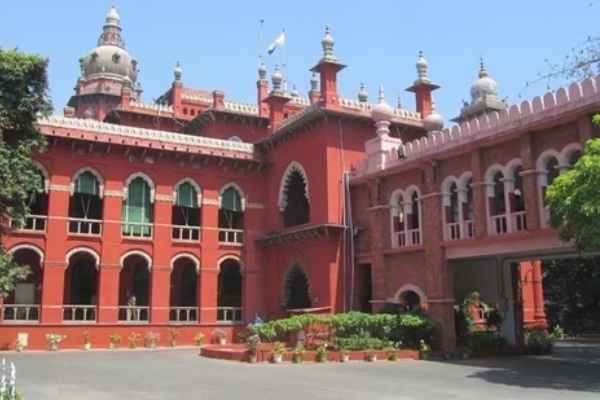
The petitioner had sought the benefit of reservation under the Backward Class Muslim category after conversion. The High Court declined the claim, compelling the State Government to challenge the ruling. While the appeal will determine the immediate legal outcome, the judgment has already raised a constitutional issue whose implications extend far beyond Tamil Nadu.
For decades, Indian courts have repeatedly upheld one underlying principle: reservation is not merely a poverty alleviation measure but a constitutional remedy designed to address specific forms of historical and social disadvantage. This is particularly evident in the case of Scheduled Castes. With the same logic affected social groups from Hindu, Sikh and Buddha were included in the list of SC. The Constitution (Scheduled Castes) Order, 1950, as subsequently amended, confines Scheduled Caste status to specified religious communities because the disabilities sought to be remedied arose from the practice of untouchability within that social framework. Consequently, courts have consistently ruled that voluntary conversion to Islam or Christianity severs the legal basis for claiming Scheduled Caste reservation, even though social discrimination may continue in different forms.
This principle has been reaffirmed in a long line of judicial pronouncements. The courts have consistently maintained that reservation cannot travel independently of the constitutional conditions under which it was originally granted. Conversion changes the legal foundation on which the benefit rests. The Madras High Court judgment now extends the constitutional conversation into a comparatively unexplored area. Unlike Scheduled Castes, the OBC framework is based primarily on social and educational backwardness rather than untouchability. But the Court's reasoning raises an important question: if a person voluntarily changes his or her religious identity, should reservation benefits automatically continue without examining whether the constitutional basis for backwardness remains unchanged? That question deserves careful examination rather than ideological sloganeering.
ALSO READ: Mohan Yadav says UCC will recognise only one marriage in MP
The significance of the Madras High Court ruling therefore lies not merely in its immediate legal consequences but in the constitutional questions it has revived. Can reservation continue solely because a community has historically received it? Does religious conversion alter the constitutional basis on which backwardness was originally recognised? Should Parliament or State Legislatures revisit existing classifications in the light of contemporary social realities? These are no longer academic questions. They are now active constitutional issues. The Tamil Nadu Government's decision to challenge the verdict ensures that higher courts will eventually provide greater clarity. Whatever the final outcome, the litigation is likely to become an important milestone in reservation jurisprudence.
The Madras High Court has done more than decide an individual case. It has reopened a constitutional debate that can no longer be ignored. For decades, the judiciary has consistently held that voluntary conversion to Islam or Christianity brings an end to reservation benefits where the constitutional basis for such reservation no longer survives. The present case raises the question whether the same principle should also govern reservation extended to converted Backward Class communities. If the original intention of constitutional justification disappears after voluntary conversion, its continuation demands the closest judicial scrutiny. Parliament, governments and constitutional experts must now address this issue with clarity. The principle that has guided Indian courts for decades should remain the guiding light: no reservation after voluntary religious conversion.