Justice by mustard seeds
Total Views |


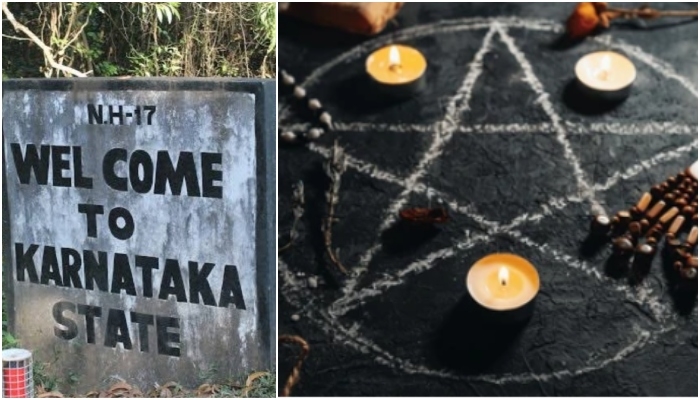
A 65-year-old woman from Karnataka has inadvertently opened a new chapter in Indian jurisprudence. She allegedly entered a courtroom in Chikkaballapura, scattered white mustard seeds on the judge's chair and dais as part of a black magic ritual, and hoped the supernatural intervention would tilt the verdict in a civil dispute involving her family. The ritual, however, ran into a formidable obstacle that no occult practitioner had apparently anticipated CCTV cameras. Court officials spotted the seeds, reviewed the footage, and the police arrested the woman under the Karnataka Prevention and Eradication of Inhuman Evil Practices and Black Magic Act.
The legal fraternity can now breathe easy. It turns out that while justice may be blind, the surveillance cameras certainly are not. For decades, lawyers have devoted their lives to mastering constitutional law, civil procedure, criminal jurisprudence and mountains of precedents. Apparently, they have been studying the wrong books. The latest innovation suggests that the real secret to winning a lawsuit may lie not in persuasive arguments but in a carefully timed sprinkling of white mustard seeds.
Imagine the courtroom of the future: "My Lord," says counsel for the plaintiff, "before I begin my submissions, may I first activate Exhibit A?" The opposing counsel rises immediately. "My Lord, we strongly object. Those mustard seeds have not been authenticated by a certified tantrik. Their evidentiary value is highly questionable." The judge patiently records the objection and adjourns the matter for expert verification.
ALSO READ: Sir Garfield Sobers was the last of cricket's complete masters
The implications for the legal profession are enormous. Senior advocates command impressive fees because they possess scholarship, experience and courtroom skill. But if supernatural interventions begin competing with legal submissions, law firms will have no option but to diversify. Tomorrow's advertisements may proudly announce: Victory Chambers & Associates. Experts in Constitutional, Civil, Criminal and Cosmic Litigation. Special discount on appeals accompanied by favourable planetary alignments.
Even court security would require urgent reforms. Metal detectors alone would no longer be enough. Every court complex would install Mustard Seed Detection Gates. The security officer would politely inquire: "Mobile phone?"
"Yes." "Wallet?" "Yes." "Any occult material?" "Only a lemon, two chillies and some turmeric." "I'm sorry, sir. Please deposit them at the counter before entering Court Hall No. 3." Eventually, the Supreme Court itself may have to frame comprehensive guidelines governing paranormal courtroom conduct. No lemons. No chillies. No coconuts. No unidentified powders. And absolutely no attempts to influence judicial proceedings through invisible entities that have not filed a vakalatnama.

The episode is a reminder that superstition continues to coexist with institutions founded upon constitutional reason. Courts represent perhaps the highest expression of rational decision-making in a democracy. Every judgment is expected to emerge from evidence, statutory interpretation and judicial reasoning not from rituals, omens or invisible influences.
The true magic of a courtroom is not hidden in mustard seeds or mystical rituals. It lies in the extraordinary idea that ordinary citizens can resolve bitter disputes without violence, intimidation or revenge. They can present evidence, make arguments and place their faith in an independent judge applying the law. Civilisation took centuries to build that miracle.
It should never be replaced by kitchen spices masquerading as legal strategy. Mustard seeds belong in the spice box.
Justice belongs in the courtroom. And the only spell that should ever influence a judge is a well-argued case supported by evidence.