Jantar Mantar: It's not protest; it's a conspiracy
Who Is Behind This Agitation? Follow The Pattern, Not Just The Noise
NewsBharati 22-Jul-2026 13:24:39 PM
Total Views |


The images on your TV are not random. The slogans are not spontaneous. The timing is not a coincidence. When thousands gather to march toward Parliament, when apps you’ve never heard of suddenly trend, when protests erupt in five states on the same day, you don’t ask “what” happened. You ask “who” planned it? Because this is not just an agitation. This is a blueprint. And India has seen this blueprint before. In Nepal. In Bangladesh. In Sri Lanka.
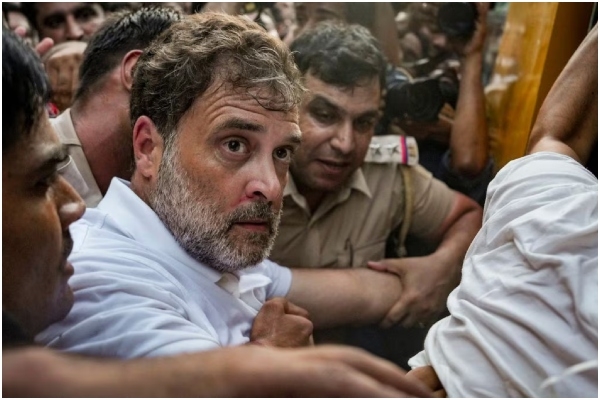
Punjab farmers’ groups suddenly mobilize toward Delhi. At the same time, student groups in three other states announce solidarity protests. Trade unions in two more. All within 48 hours. Ask yourself - Who has the logistics to move people, buses, food, tents, media teams, and placards across states simultaneously? Frustrated citizens don’t. Ecosystems do. This is not a farmers’ issue. This is not a students’ issue. This is a calendar issue. When multiple unrelated groups “spontaneously” hit the street on the same date, with the same target, the same slogans, someone set the date.
They are not marching to a ministry. They are marching to symbols. Parliament is where 140 crore Indians are represented. The PM Residence is where executive authority sits. What is the plan if they “barge in”? It’s not a policy change. It’s optics. Break the gate, get a photo, create chaos, and run the headline worldwide: “Government has lost control.” That one image does more damage than 100 debates. It erodes legitimacy. It tells investors, allies, and citizens that the state is weak.
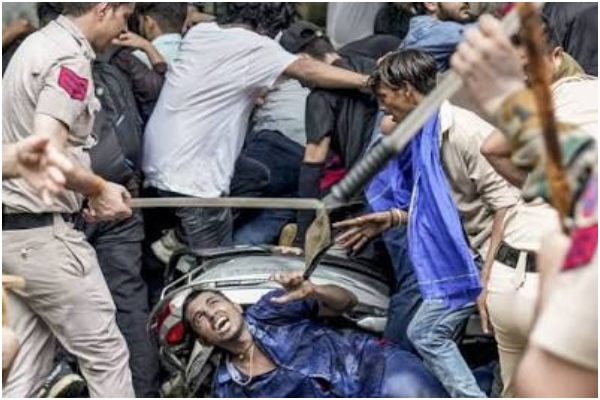 Foreign funding + domestic ecosystem + digital infrastructure + media amplification. The foreign part provides money, tech, and diplomatic cover. The domestic ecosystem provides the foot soldiers, the narrative, and the academic cover. The digital part ensures the message spreads before fact-checkers wake up. The media part ensures that violence becomes the “voice of the people”. They don’t want reform. They want a rupture. This is the difference. Dissent is: “Change this law. Debate this policy.” Conspiracy is: “The system itself is illegitimate. Burn it down.” India’s democracy has survived emergencies, scams, riots, and ten years of non-stop criticism. It will survive this too. But only if we call this what it is. A foreign-instigated, ecosystem-driven attempt to use Indian youth as cannon fodder to attack Indian institutions. Don’t be fooled by the masks and the flowers. Behind them is a very cold calculation - if you can’t win 2024, try to make 2024 irrelevant. The question for every citizen now is simple. Do we want Nepal-style chaos telecast live? The answer, of course, has to be no. Never.
A few days before the proposed Parliament march, the US Embassy in Delhi is said to have issued a travel advisory. “Avoid protest areas. Expect disruptions.” Fair question - how did Washington know a march was coming before most Indians did? Embassies issue advisories after events begin, not 72 hours before the first poster goes up. Unless someone told them. Unless the calendar was already shared. This is not about one advisory. This is about pattern recognition. When foreign missions seem to have better intel, it means the wires are connected outside India.
Ground reports and videos from the protest site show agitators coordinating not on WhatsApp or Telegram, but on obscure encrypted apps, mesh networks, and walkie-talkie-style platforms. Why? Because normal protestors use normal tools. Organized operations use burners. The idea is simple - stay off the radar, avoid traceability, create parallel communication. This is textbook color-revolution tech. We saw it in Hong Kong. We saw it in Dhaka last year. The goal is to ensure that even if leaders are detained, the machine keeps running.
Rewind a few months. The leftist ecosystem on X, Facebook, Instagram, and YouTube was already active. Not talking about policy. Not talking about debate. The message was - “Modi cannot be defeated in elections. So try other methods.” That is not dissent. That is a direct call to move beyond the ballot.
When you tell 140 crore people that voting is useless, you are not strengthening democracy. You are preparing the ground to break it. This is narrative prep. First you delegitimize elections. Then you delegitimize institutions. Then you march on them.
ALSO READ: Delhi HC imposes fine of rs 2 lakh on parents for furnishing wrong date of birth
They are not marching to a ministry. They are marching to symbols. Parliament is where 140 crore Indians are represented. The PM Residence is where executive authority sits. What is the plan if they “barge in”? It’s not a policy change. It’s optics. Break the gate, get a photo, create chaos, and run the headline worldwide: “Government has lost control.” That one image does more damage than 100 debates. It erodes legitimacy. It tells investors, allies, and citizens that the state is weak.
There are designated protest sites. But the choice was to sit at the most symbolic gate of executive power in India. Why? Because the goal is not negotiation. The goal is the visual.
A photo of the Leader of Opposition sitting on the road outside 7 LKM becomes the message: “The government is illegitimate, so we are protesting at its doorstep.”This is not about raising an issue. This is about eroding authority on camera. It mirrors exactly what was done in Colombo and Dhaka - bring leadership to the gate, break the aura of the state, and sell it as “people’s power.”
And we know where this leads. Remember Nepal: Parliament stormed, PM fled. Remember Bangladesh: Secretariat occupied, PM house ransacked, PM had to leave the country. Remember Sri Lanka: Presidential palace swimming pool became a meme while the economy collapsed. In each case, the script was the same - First call institutions “fascist”. Then provoke youth to “direct action”. Then film the collapse and sell it as “people’s victory”.
The leftist ecosystem in India has been openly glorifying those visuals for months. “Do a Bangladesh” was not a warning. It was an instruction. So who is instigating them? It’s not one man. It’s a network.

Editor's Desk
Editor's Desk