Centre moves bill in Parliament to increase Supreme Court judge strength to 38, cites over 92,000 pending cases
The Central government has introduced a Bill in the Lok Sabha to replace the ordinance increasing the sanctioned strength of the Supreme Court from 34 to 38 judges. The Centre said the move is aimed at tackling a growing backlog of cases, with more than 92,000 matters pending before the apex court.
Total Views |


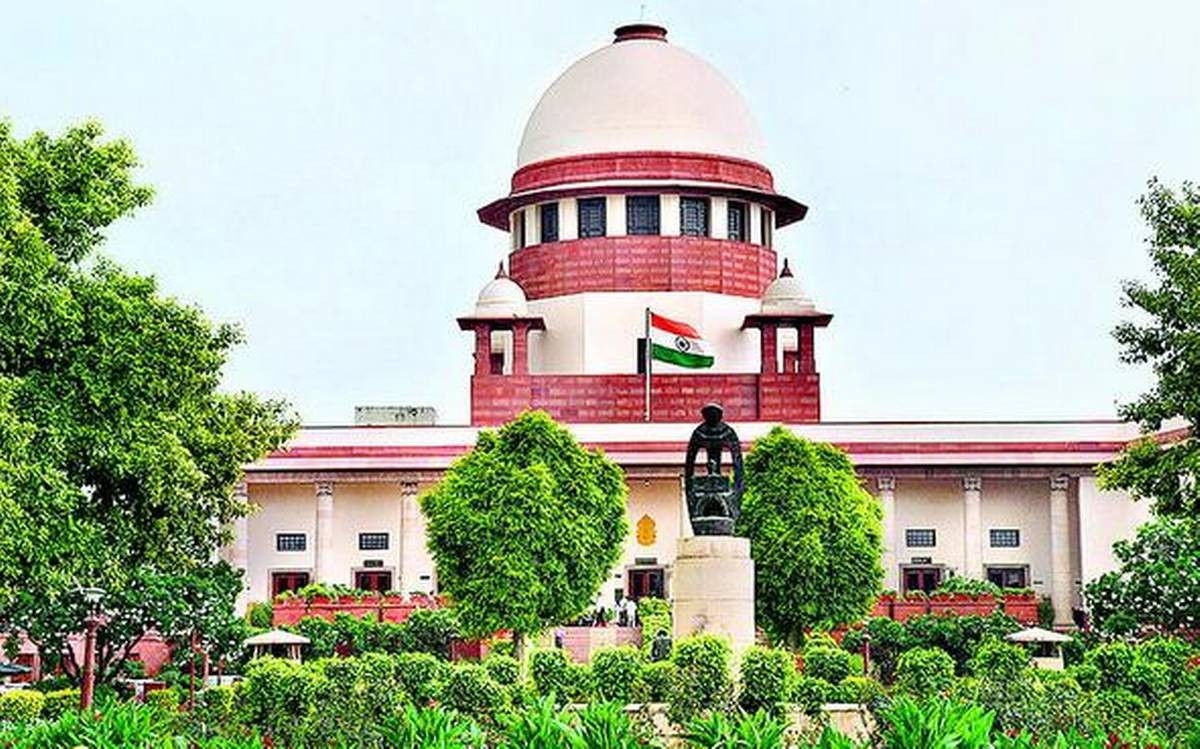
The Central government on Monday introduced a Bill in the Lok Sabha to replace the ordinance that increased the sanctioned strength of the Supreme Court by four judges, saying the expansion is necessary to address the mounting pendency of cases and improve the court's functioning.
The Bill, introduced by Union Law and Justice Minister Arjun Ram Meghwal, seeks to formally increase the sanctioned strength of the apex court from 34 to 38 judges, including the Chief Justice of India.
#MonsoonSession2026 ||
— All India Radio News (@airnewsalerts) July 20, 2026
Union Law and Justice Minister @arjunrammeghwal introduces the Supreme Court (Number of Judges) Amendment Bill, 2026 in the Lok Sabha.
The Bill seeks to amend the Supreme Court (Number of Judges) Act, 1956 to increase the sanctioned strength of Supreme…
The government said the Supreme Court continues to face a widening gap between the number of fresh cases being filed and the number of matters disposed of annually, making an increase in judicial strength one of the most effective measures to tackle the backlog.
According to the Statement of Objects and Reasons accompanying the Bill, 92,101 cases were pending before the Supreme Court as of January 1, 2026.
The government pointed out that although the Supreme Court has functioned at or near its sanctioned strength of 34 judges since 2019, the volume of litigation has continued to outpace disposals. During the period cited in the Bill, the apex court registered 75,410 fresh cases, while 65,615 cases were disposed of, adding to the overall pendency.
The Centre said the growing backlog has affected the court's ability to hear older matters as well as cases that require adjudication by Constitution Benches.
It argued that increasing the number of judges would not only improve case disposal but also enable the Chief Justice of India to constitute Constitution Benches more frequently for cases involving substantial questions of constitutional law, while allowing regular benches to continue hearing other pending matters.
The proposal to increase the judge strength was approved by the Union Cabinet earlier this year. Since Parliament was not in session at the time, the government promulgated an ordinance to implement the decision. Following the ordinance, the sanctioned strength of the Supreme Court increased to 38 judges, and five judges were subsequently appointed under the revised strength.
The Bill introduced in Parliament seeks to replace that ordinance and provide it with legislative backing.
Meanwhile, Opposition members have also moved a statutory resolution opposing the ordinance. Under parliamentary procedure, an ordinance issued when Parliament is not in session must be approved by both Houses within six weeks of the commencement of the session; otherwise, it ceases to operate.
The government has maintained that expanding the Supreme Court's sanctioned strength is a key step towards reducing judicial delays, ensuring faster disposal of cases and improving access to timely justice for litigants across the country.