Yogendra Yadav's 'Grammar of Anarchy'
Total Views |


Democracy survives not merely because people vote once every five years, but because political actors accept the rules of the constitutional game every single day. Elections produce governments, opposition parties question them, courts interpret the law, legislatures debate policy, and citizens retain the right to protest peacefully. The strength of a democracy lies in maintaining this constitutional equilibrium.
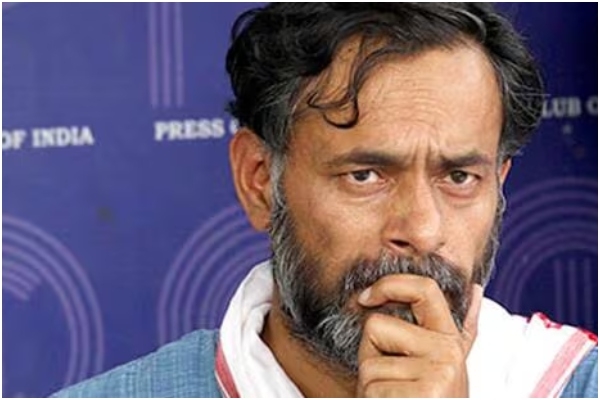
That is why the assertion by political activist Yogendra Yadav that "the country's future will be decided not by Parliament, but on the streets" and "not through elections, but through resistance" deserves serious national debate. Whether intended as political rhetoric or as a call for mass mobilisation, such statements raise a fundamental constitutional question. Can the street replace Parliament as the principal arena of democratic decision-making? Dr. B.R. Ambedkar answered this question nearly eight decades ago.
Yogendra Yadav's latest formulation is more than an expression of political frustration. It reflects a worldview that appears to place permanent street mobilisation above parliamentary democracy whenever electoral outcomes are politically inconvenient. He has been prominently associated with major protest movements, including the farmers' agitation and the anti-CAA protests, and his critics have long argued that he favours extra-parliamentary mobilisation as the principal instrument of political change. Whether one accepts that criticism or not, his recent remarks will inevitably reinforce that perception.
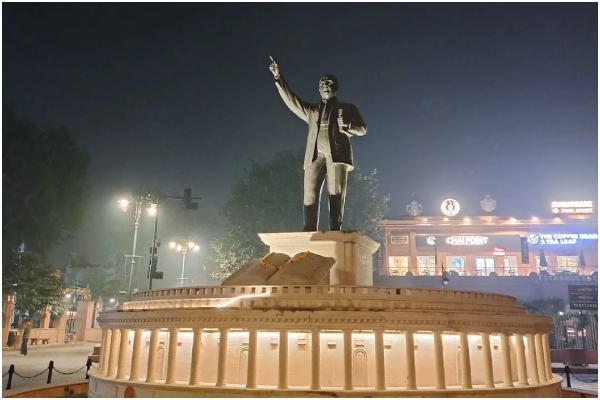 On November 25, 1949, while delivering his historic concluding speech in the Constituent Assembly, Babasaheb Ambedkar issued one of the most important warnings in India's constitutional history. Having drafted a Constitution that guaranteed universal adult franchise, independent courts, legislative institutions and peaceful mechanisms for political change, he declared:"Where constitutional methods are open, there can be no justification for unconstitutional methods."
Ambedkar's concern was neither theoretical nor rhetorical. He understood that if every political disagreement ultimately shifted from Parliament to the streets, constitutional institutions would gradually lose both legitimacy and authority. Democracy would cease to be governed by law and begin to be governed by organised pressure. His warning remains remarkably relevant today.
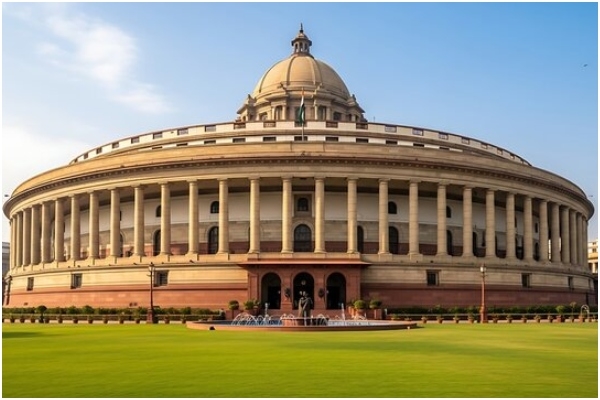
However, there is a crucial distinction between using protest to influence public policy and suggesting that political power itself should be determined through continuous street mobilisation rather than electoral verdicts. The first strengthens democracy.The second risks weakening it.
If every electoral defeat is followed by campaigns declaring that governments no longer derive legitimacy from Parliament but from sustained street pressure, elections gradually lose their constitutional centrality. Democracy then becomes vulnerable to whichever group can mobilise larger crowds, sustain longer agitations or generate greater disruption. That is precisely the danger Ambedkar anticipated.
Modern democracies recognise an institutional division of roles. The opposition exists to question governments inside legislatures. The judiciary exists to review executive action. The Election Commission exists to supervise free elections. The media exists to scrutinise those in power. Citizens exist to hold governments accountable. None of these institutions becomes redundant because people protest. Equally, none can be replaced by perpetual mobilisation.
When Parliament is portrayed as secondary and the street as primary, the constitutional architecture itself begins to invert. The authority of elected institutions gradually gives way to the authority of organised agitation.
That may appear attractive when one's preferred political cause enjoys public momentum. It becomes dangerous when every competing group adopts the same logic. The Constitution was designed precisely to prevent politics from becoming an endless contest of competing mobilisations.
One of the recurring paradoxes in contemporary politics is that almost every political formation invokes the Constitution while simultaneously questioning the legitimacy of constitutional institutions whenever outcomes prove politically inconvenient.
Healthy democracies certainly require institutional criticism. Courts can be criticised. Governments can be criticised. Election processes can be questioned through legal mechanisms supported by evidence. Public debate is indispensable.
But there is an important constitutional difference between criticism and delegitimization. Ambedkar did not ask citizens to surrender their right to dissent. He asked them to exercise dissent through constitutional methods. That distinction remains the foundation of democratic stability.
History demonstrates that democracies rarely disappear overnight. They weaken gradually when constitutional processes begin yielding to extra-constitutional pressures. Legislatures become less relevant. Political negotiation gives way to confrontation. Every disagreement becomes existential. Every election becomes insufficient. Every institution becomes suspect whenever it produces an inconvenient outcome. Such developments produce political instability irrespective of which party occupies power. Today's opposition may become tomorrow's government. The precedents established today will eventually bind everyone.
India's constitutional framework is resilient precisely because it provides peaceful avenues for political change. Every citizen possesses the right to vote, organise political parties, campaign, litigate, criticise governments, publish opinions, hold peaceful demonstrations and contest elections. Those rights are extraordinarily powerful.
But with those rights comes a corresponding constitutional responsibility: political change must ultimately flow through democratic institutions rather than attempts to replace them. Ambedkar's warning was not directed at any one ideology or political party. It was directed at every generation that might become impatient with constitutional processes and seek shortcuts through extra-parliamentary confrontation. That warning deserves renewed attention today.
Every political party claims to defend democracy. The real test is not whether one invokes the Constitution during political speeches. The real test is whether one accepts its discipline when political outcomes prove disappointing. The Constitution gave India ballots instead of barricades, legislatures instead of perpetual confrontation and institutions instead of instability. Those who genuinely believe in Babasaheb Ambedkar's constitutional vision should remember perhaps his most enduring democratic lesson: governments may be challenged, opposed and even defeated but they must be replaced through constitutional means, not by elevating the politics of the street above the sovereignty of the ballot.
The greatest danger to any democracy is not electoral defeat. It is the gradual erosion of faith in the constitutional institutions through which free people govern themselves. Once the authority of the ballot begins to yield to the authority of the street, democracy enters precisely the territory that Babasaheb described with unforgettable clarity the Grammar of Anarchy.
Babasaheb Ambedkar foresaw precisely this danger. His warning against the "Grammar of Anarchy" was not addressed to any particular party or generation. It was addressed to every political actor tempted to abandon constitutional methods in pursuit of political objectives.
India's future will not be written by those who proclaim that Parliament has become irrelevant or that elections are secondary to "resistance." It will be written by citizens who continue to repose faith in the ballot, the Constitution and democratic institutions, even when they dislike the result.
Those who seek power must earn it through the confidence of the people not through the politics of perpetual confrontation. The Republic cannot permit constitutional democracy to be replaced by a doctrine that elevates agitation above elections and organised pressure above popular mandate.
That is why the assertion by political activist Yogendra Yadav that "the country's future will be decided not by Parliament, but on the streets" and "not through elections, but through resistance" deserves serious national debate. Whether intended as political rhetoric or as a call for mass mobilisation, such statements raise a fundamental constitutional question. Can the street replace Parliament as the principal arena of democratic decision-making? Dr. B.R. Ambedkar answered this question nearly eight decades ago.
Yogendra Yadav's latest formulation is more than an expression of political frustration. It reflects a worldview that appears to place permanent street mobilisation above parliamentary democracy whenever electoral outcomes are politically inconvenient. He has been prominently associated with major protest movements, including the farmers' agitation and the anti-CAA protests, and his critics have long argued that he favours extra-parliamentary mobilisation as the principal instrument of political change. Whether one accepts that criticism or not, his recent remarks will inevitably reinforce that perception.
Babasaheb's Timeless Warning
He specifically referred to civil disobedience, non-cooperation and satyagraha as methods that had a place during colonial rule but could not become the normal instruments of politics in an independent constitutional democracy. He famously described them as the "Grammar of Anarchy."
Elections Decide Governments
India's Constitution leaves no ambiguity about how political power changes hands. Governments are formed through elections. Majorities are tested in legislatures. Laws are debated in Parliament and state assemblies. Governments may be criticised vigorously, challenged politically and even defeated—but only through constitutional means.
Street protests undoubtedly occupy a legitimate place in democratic life. The Constitution protects freedom of speech, peaceful assembly and expression. Citizens have every right to organise demonstrations, submit petitions, mobilise opinion and demand accountability.
However, there is a crucial distinction between using protest to influence public policy and suggesting that political power itself should be determined through continuous street mobilisation rather than electoral verdicts. The first strengthens democracy.The second risks weakening it.
If every electoral defeat is followed by campaigns declaring that governments no longer derive legitimacy from Parliament but from sustained street pressure, elections gradually lose their constitutional centrality. Democracy then becomes vulnerable to whichever group can mobilise larger crowds, sustain longer agitations or generate greater disruption. That is precisely the danger Ambedkar anticipated.
Parliament Versus Permanent Agitation
When Parliament is portrayed as secondary and the street as primary, the constitutional architecture itself begins to invert. The authority of elected institutions gradually gives way to the authority of organised agitation.
The Constitution Demands Both Rights and Restraint
Healthy democracies certainly require institutional criticism. Courts can be criticised. Governments can be criticised. Election processes can be questioned through legal mechanisms supported by evidence. Public debate is indispensable.
But there is an important constitutional difference between criticism and delegitimization. Ambedkar did not ask citizens to surrender their right to dissent. He asked them to exercise dissent through constitutional methods. That distinction remains the foundation of democratic stability.
Democracies Collapse Gradually
That is why constitutional principles must remain independent of political convenience.
A Lesson Worth RememberingIndia's constitutional framework is resilient precisely because it provides peaceful avenues for political change. Every citizen possesses the right to vote, organise political parties, campaign, litigate, criticise governments, publish opinions, hold peaceful demonstrations and contest elections. Those rights are extraordinarily powerful.
But with those rights comes a corresponding constitutional responsibility: political change must ultimately flow through democratic institutions rather than attempts to replace them. Ambedkar's warning was not directed at any one ideology or political party. It was directed at every generation that might become impatient with constitutional processes and seek shortcuts through extra-parliamentary confrontation. That warning deserves renewed attention today.
The Real Test of Constitutional Commitment
Babasaheb Ambedkar foresaw precisely this danger. His warning against the "Grammar of Anarchy" was not addressed to any particular party or generation. It was addressed to every political actor tempted to abandon constitutional methods in pursuit of political objectives.
India's future will not be written by those who proclaim that Parliament has become irrelevant or that elections are secondary to "resistance." It will be written by citizens who continue to repose faith in the ballot, the Constitution and democratic institutions, even when they dislike the result.
Those who seek power must earn it through the confidence of the people not through the politics of perpetual confrontation. The Republic cannot permit constitutional democracy to be replaced by a doctrine that elevates agitation above elections and organised pressure above popular mandate.