"Sou Chuhe Kha Ke Billi Chali Haj Ko"
NewsBharati 27-Jul-2026 14:30:08 PM
Total Views |


Former Karnataka Chief Minister Siddaramaiah has suddenly discovered the virtues of staying away from power politics. Better late than never. But the announcement inevitably reminds Indians of an old proverb: "Sou chuhe kha ke billi chali Haj ko."
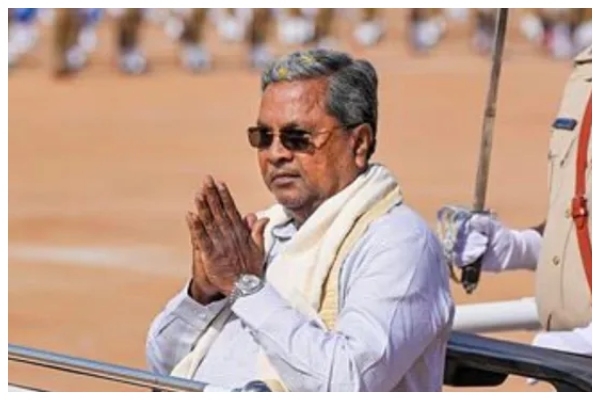
For nearly five decades, Siddaramaiah was never far from the corridors of power. Janata Parivar, Janata Dal, Janata Dal (Secular), Congress party flags changed, but one constant remained: Siddaramaiah's remarkable instinct for remaining close to the chair. If political survival were an Olympic event, he would retire with multiple gold medals.
His career has been anything but an exercise in detachment. He has been Deputy Chief Minister, Leader of the Opposition, Chief Minister twice and the unquestioned centre of Karnataka Congress politics. Rarely has a leader spent so many years speaking against the politics of power while practising it with such mastery.
Even his ideological journey resembles a political GPS constantly recalculating the route. Socialist yesterday, secular crusader today, welfare icon tomorrow the destination, however, always seemed to be the same: power.
During his tenure, Karnataka hardly became a model of clean governance. Allegations of corruption, factionalism, administrative drift and the growing influence of political middlemen repeatedly embarrassed the government. The Congress spent more time firefighting internal rebellions than celebrating governance. Yet the captain remained firmly at the helm.
Now comes the announcement that he wishes to stay away from power politics. One cannot help admiring the timing. The declaration arrives after enjoying almost every important office that Karnataka politics could offer. It is rather like a man announcing that he has given up sweets immediately after finishing the dessert buffet.
Perhaps Siddaramaiah genuinely wishes to spend his remaining years away from electoral battles. If so, one wishes him good health and peace. But history cannot be edited by a farewell speech. Political memory is longer than political press conferences.
That is why the old proverb fits so perfectly. After decades at the banquet of power, after every office has been occupied and every political opportunity explored, the sudden discovery of detachment naturally raises a smile. The cat is certainly free to undertake the pilgrimage. The mice, however, are under no obligation to forget the feast. This version keeps Siddaramaiah at the centre throughout, while the proverb becomes the recurring satirical motif rather than just the title. It is also sharper without descending into personal abuse.
For nearly five decades, Siddaramaiah was never far from the corridors of power. Janata Parivar, Janata Dal, Janata Dal (Secular), Congress party flags changed, but one constant remained: Siddaramaiah's remarkable instinct for remaining close to the chair. If political survival were an Olympic event, he would retire with multiple gold medals.
His career has been anything but an exercise in detachment. He has been Deputy Chief Minister, Leader of the Opposition, Chief Minister twice and the unquestioned centre of Karnataka Congress politics. Rarely has a leader spent so many years speaking against the politics of power while practising it with such mastery.
Even his ideological journey resembles a political GPS constantly recalculating the route. Socialist yesterday, secular crusader today, welfare icon tomorrow the destination, however, always seemed to be the same: power.
His admirers call him a mass leader. His critics see him as one of the principal architects of Karnataka's increasingly fragmented caste politics. Every election became a lesson in social engineering, every policy a calculation of vote arithmetic. Principles were often expected to adjust themselves to political convenience.
Now comes the announcement that he wishes to stay away from power politics. One cannot help admiring the timing. The declaration arrives after enjoying almost every important office that Karnataka politics could offer. It is rather like a man announcing that he has given up sweets immediately after finishing the dessert buffet.
Retirement is respectable. Reinventing retirement as renunciation is where satire begins.
Nobody doubts Siddaramaiah's contribution to Karnataka politics. He has shaped elections, influenced governments and produced generations of followers. But to portray the withdrawal as an act of political asceticism requires extraordinary imagination. Renunciation carries greater moral force when it precedes power, not when it follows decades of enjoying it.
ALSO READ: Sourav Das vows FIR withdrawals even against 'anti-national', laughs at demands of Punjab Education Minister's resignation after paper leaks, faces backlash
The public has seen this script before. Leaders declare retirement but continue to guide the party, bless candidates, settle disputes, influence cabinet formation and occasionally remind everyone that they have left politics. They leave the stage but never quite surrender the spotlight.
That is why the old proverb fits so perfectly. After decades at the banquet of power, after every office has been occupied and every political opportunity explored, the sudden discovery of detachment naturally raises a smile. The cat is certainly free to undertake the pilgrimage. The mice, however, are under no obligation to forget the feast. This version keeps Siddaramaiah at the centre throughout, while the proverb becomes the recurring satirical motif rather than just the title. It is also sharper without descending into personal abuse.
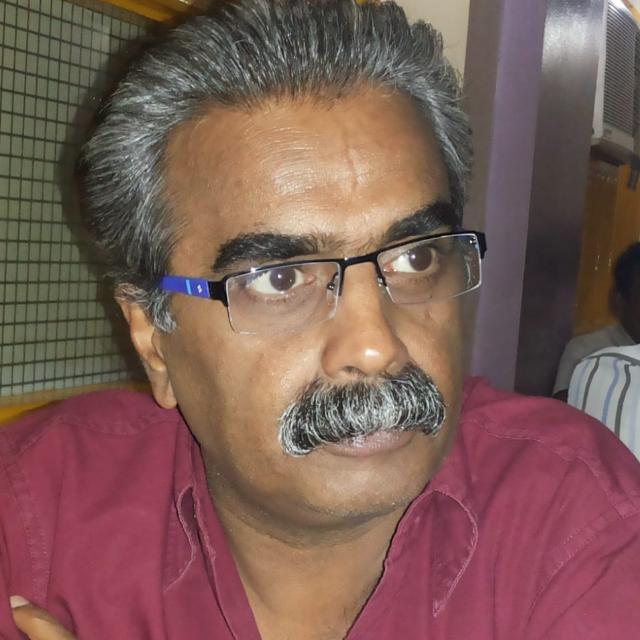
Satyajit Shriram Joshi
Satyajit Shriram Joshi is Pune based senior journalist.