Why does the Asiatic Society need a new ‘Tomorrow’
Total Views |


Months of litigation, repeated postponements, and a battle over the electoral roll have finally culminated in polling day. On July 4, 2026, members of the Asiatic Society of Mumbai will elect a new managing committee in what has become one of the most closely watched elections in the history of the 221-year-old institution.
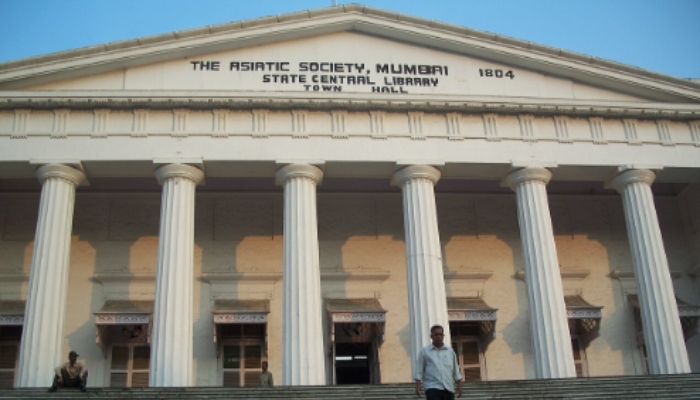
A legacy overshadowed by controversy
The election comes against the backdrop of serious questions surrounding the outgoing management. Reports from stock verification exercises indicated that several historical artefacts could not be readily accounted for, while attempts to trace the famed Maratha-era Satara treasury seals through RTI applications drew national attention.
Although the previous management maintained that many objects had been transferred decades ago and that poor historical documentation had caused confusion, the controversy exposed glaring weaknesses in inventory management and institutional accountability.
The election itself reflected these tensions. Disputes over the voters' list reached the Charity Commissioner and later the Bombay High Court, resulting in repeated postponements before the polling process was finally cleared to proceed.
A choice between continuity and renewal
While three panels are contesting the election, the principal battle is between the Asiatic Tomorrow Panel, headed by Dr. Vinay Sahasrabuddhe, and the Save Asiatic Panel, led by senior journalist and former parliamentarian Kumar Ketkar.
The contest has acquired significance because it represents two very different approaches to the Society's future.
The Tomorrow Panel argues that the institution requires comprehensive reform rather than cosmetic changes. Its agenda focuses on transparent governance, professional financial management, large-scale digitisation, better conservation of rare manuscripts, international collaborations and greater participation by students and young researchers.
The panel has also defended its membership expansion drive, maintaining that wider public participation strengthens democratic governance rather than weakening it. These ideas have resonated with many members who believe that institutions survive only when they evolve with changing times.
Tomorrow panel has gathered momentum
The reform agenda has found support well beyond the Society's own membership. The Asiatic Tomorrow Panel has received endorsements from nearly thirty eminent personalities drawn from literature, academia, business, medicine, culture, and public life. Former Union Minister Suresh Prabhu, archaeologist and art historian Dr G.B. Deglurkar, historian Pandurang Balkawde, author Amish Tripathi, Sahitya Akademi awardee Sharan Kumar Limbale, entrepreneur Milind Kamble and actor Manoj Joshi are among those who have publicly backed its appeal. Their support suggests that the demand for institutional renewal extends well beyond political affiliations and reflects a wider desire to restore the Society's scholarly prestige
The list of contestants also includes distinguished names from the arts and intellectual world, such as actor Nitish Bharadwaj, filmmaker Chandraprakash Dwivedi, noted writer Ramesh Patange, and several other respected public figures.
Every great institution reaches a point when preserving tradition requires embracing reform. For the Asiatic Society, that moment appears to have arrived. With a clear roadmap for governance reforms, heritage conservation, and intellectual renewal, the Asiatic Tomorrow Panel has emerged as the strongest vehicle for restoring one of India's greatest centres of learning to the prominence it once enjoyed.
The Controversies
Complaints to the Charity Commissioner accused the managing committee of mishandling the Society's heritage.
1. ‘Vanishing’ treasures
Missing artefacts: A stock-taking exercise found 13 of 46 historical artefacts missing.
Satara throne seals: RTI inquiries by historians failed to establish the whereabouts of the 17th- and 18th-century gold and silver Maratha Shikka Mortab seals.
Accountability: Critics alleged evasive RTI replies and inadequate efforts to investigate or report the missing artefacts.
2. Electoral disputes and membership omissions
Voter list discrepancies: Factions accused the management of omitting eligible members from the electoral roll.
Legal battle: The election dispute reached the Bombay High Court over transparency, voting rights, and the poll schedule.
3. Financial and Operational Pressures
Financial strain: The Society has faced mounting deficits, prompting criticism over weak fundraising and slow modernisation.

This is no ordinary institutional election. It is a contest over the future of one of India's oldest repositories of knowledge. For many members, the question is whether the Society can reclaim its lost stature through bold reforms or continue under a system that has attracted increasing criticism over the past few years.
A legacy overshadowed by controversy
The election comes against the backdrop of serious questions surrounding the outgoing management. Reports from stock verification exercises indicated that several historical artefacts could not be readily accounted for, while attempts to trace the famed Maratha-era Satara treasury seals through RTI applications drew national attention.
Although the previous management maintained that many objects had been transferred decades ago and that poor historical documentation had caused confusion, the controversy exposed glaring weaknesses in inventory management and institutional accountability.
Members also expressed concern over the slow pace of digitisation, financial stress, inadequate conservation of rare collections, and the Society's declining engagement with scholars and the public. For an institution that houses priceless manuscripts, rare books, and archival treasures, these issues created a widespread feeling that preserving a glorious past required far more than maintaining the status quo.
The election itself reflected these tensions. Disputes over the voters' list reached the Charity Commissioner and later the Bombay High Court, resulting in repeated postponements before the polling process was finally cleared to proceed.
A choice between continuity and renewal
While three panels are contesting the election, the principal battle is between the Asiatic Tomorrow Panel, headed by Dr. Vinay Sahasrabuddhe, and the Save Asiatic Panel, led by senior journalist and former parliamentarian Kumar Ketkar.
The contest has acquired significance because it represents two very different approaches to the Society's future.
The Tomorrow Panel argues that the institution requires comprehensive reform rather than cosmetic changes. Its agenda focuses on transparent governance, professional financial management, large-scale digitisation, better conservation of rare manuscripts, international collaborations and greater participation by students and young researchers.
Equally important is Dr. Sahasrabuddhe's argument that the Society should become intellectually more inclusive. He has criticised what he describes as "ideological untouchability", arguing that scholars working on Indian civilisational studies and related fields have often found themselves excluded from meaningful participation. A national institution, he argues, should encourage a diversity of scholarship instead of becoming the preserve of a narrow establishment.
The panel has also defended its membership expansion drive, maintaining that wider public participation strengthens democratic governance rather than weakening it. These ideas have resonated with many members who believe that institutions survive only when they evolve with changing times.
Tomorrow panel has gathered momentum
The reform agenda has found support well beyond the Society's own membership. The Asiatic Tomorrow Panel has received endorsements from nearly thirty eminent personalities drawn from literature, academia, business, medicine, culture, and public life. Former Union Minister Suresh Prabhu, archaeologist and art historian Dr G.B. Deglurkar, historian Pandurang Balkawde, author Amish Tripathi, Sahitya Akademi awardee Sharan Kumar Limbale, entrepreneur Milind Kamble and actor Manoj Joshi are among those who have publicly backed its appeal. Their support suggests that the demand for institutional renewal extends well beyond political affiliations and reflects a wider desire to restore the Society's scholarly prestige
The list of contestants also includes distinguished names from the arts and intellectual world, such as actor Nitish Bharadwaj, filmmaker Chandraprakash Dwivedi, noted writer Ramesh Patange, and several other respected public figures.
Critics have attempted to portray the election through an ideological lens. Yet the central issue before members is much simpler. Can an institution that has witnessed controversies over governance, heritage management, and public engagement continue with business as usual?
Every great institution reaches a point when preserving tradition requires embracing reform. For the Asiatic Society, that moment appears to have arrived. With a clear roadmap for governance reforms, heritage conservation, and intellectual renewal, the Asiatic Tomorrow Panel has emerged as the strongest vehicle for restoring one of India's greatest centres of learning to the prominence it once enjoyed.
The Controversies
Complaints to the Charity Commissioner accused the managing committee of mishandling the Society's heritage.
1. ‘Vanishing’ treasures
Missing artefacts: A stock-taking exercise found 13 of 46 historical artefacts missing.
Satara throne seals: RTI inquiries by historians failed to establish the whereabouts of the 17th- and 18th-century gold and silver Maratha Shikka Mortab seals.
Accountability: Critics alleged evasive RTI replies and inadequate efforts to investigate or report the missing artefacts.
2. Electoral disputes and membership omissions
Voter list discrepancies: Factions accused the management of omitting eligible members from the electoral roll.
Legal battle: The election dispute reached the Bombay High Court over transparency, voting rights, and the poll schedule.
3. Financial and Operational Pressures
Financial strain: The Society has faced mounting deficits, prompting criticism over weak fundraising and slow modernisation.
Declining engagement: Critics say the leadership failed to attract new members or improve public access to its world-class collections.