ED to seek CBI probe against US-based Christian Missionary Organisation over alleged foreign funding network in Naxal Belt
Total Views |


The Enforcement Directorate (ED) is set to recommend a Central Bureau of Investigation (CBI) probe under the Foreign Contribution (Regulation) Act (FCRA) into the activities of US-based Christian missionary organisation The Timothy Initiative (TTI) over allegations that it channelled crores of rupees into India's Naxal-affected regions through hundreds of foreign-issued debit cards while bypassing statutory banking and regulatory mechanisms.
The proposed move comes amid an expanding multi-agency investigation into what officials describe as a sophisticated cross-border financial network allegedly used to funnel foreign funds into Left Wing Extremism (LWE)-affected areas, raising serious concerns over national security, financial integrity and compliance with India's foreign funding laws.
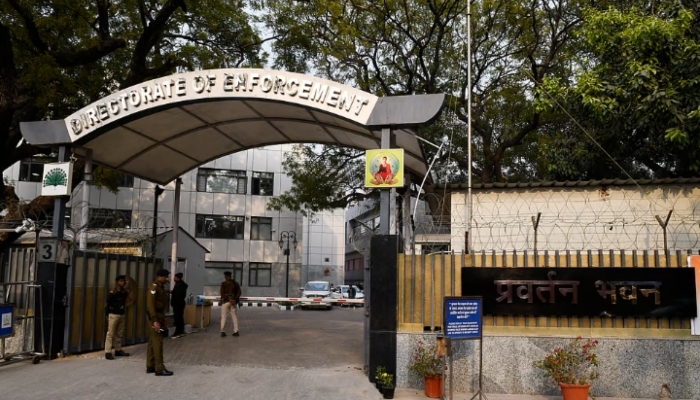 The ED launched its investigation after receiving a Suspicious Transaction Report (STR) from the Financial Intelligence Unit (FIU), which flagged an unusual pattern involving foreign funds being brought into India through debit cards issued by Truist Bank in the United States instead of authorised banking channels prescribed under Indian law. Acting on the intelligence, the ED conducted searches in Bengaluru and Mysuru (Karnataka), Goalpara (Assam) and Dhamtari (Chhattisgarh) in April under the provisions of the Foreign Exchange Management Act (FEMA). The searches reportedly unearthed documents and financial records indicating the systematic routing of foreign funds into Naxal-affected regions through a network of shell entities allegedly linked to TTI.
Investigators have alleged that The Timothy Initiative is not registered under the FCRA, despite allegedly receiving and utilising foreign contributions in India. The agency is now expected to forward its findings to the CBI for investigation into possible violations of the FCRA and other applicable laws.
In a development that has strengthened the investigation, the Karnataka High Court on 1 July refused to quash criminal proceedings against individuals linked to TTI, including Micah Mark, who was intercepted at Bengaluru International Airport carrying 24 foreign-issued debit cards. While dismissing the petition, Justice M. Nagaprasanna made significant observations on the national security implications of clandestine foreign funding.
According to ED officials, Micah Mark allegedly disclosed during questioning that more than 1,000 foreign debit cards had been distributed across India since 2019. Investigators suspect these cards were used to repeatedly withdraw cash from ATMs across several states, particularly in districts affected by Left Wing Extremism. The agency has detected suspicious cash withdrawals amounting to approximately ₹6.5 crore through these debit cards in recent years, particularly from Bastar and Dhamtari in Chhattisgarh, areas that have witnessed prolonged Maoist violence.
The case is likely to intensify scrutiny of the use of foreign funds by overseas missionary organisations operating in India, particularly in sensitive tribal and insurgency-affected regions. Security agencies have long maintained that unregulated foreign funding in such areas can be exploited to create parallel cash networks capable of facilitating unlawful activities.
With the ED preparing to invoke the provisions of the PMLA and recommend a CBI investigation under the FCRA, the alleged funding network is poised to become one of the most significant ongoing investigations into suspected foreign financial flows linked to Christian missionary operations in Naxal-affected regions of the country.
The proposed move comes amid an expanding multi-agency investigation into what officials describe as a sophisticated cross-border financial network allegedly used to funnel foreign funds into Left Wing Extremism (LWE)-affected areas, raising serious concerns over national security, financial integrity and compliance with India's foreign funding laws.
According to officials, the evidence collected during the searches has already been shared with police authorities in Karnataka and Chhattisgarh, leading to the registration of separate FIRs under various provisions, including the Unlawful Activities (Prevention) Act (UAPA). The ED is also expected to register a money laundering case under the Prevention of Money Laundering Act (PMLA) as the investigation progresses.
Investigators have alleged that The Timothy Initiative is not registered under the FCRA, despite allegedly receiving and utilising foreign contributions in India. The agency is now expected to forward its findings to the CBI for investigation into possible violations of the FCRA and other applicable laws.
In a development that has strengthened the investigation, the Karnataka High Court on 1 July refused to quash criminal proceedings against individuals linked to TTI, including Micah Mark, who was intercepted at Bengaluru International Airport carrying 24 foreign-issued debit cards. While dismissing the petition, Justice M. Nagaprasanna made significant observations on the national security implications of clandestine foreign funding.
"One of the gravest threats to national security in the present times is the clandestine funding of extremism. Funding, therefore, becomes the oxygen that enables extremist movements to survive and proliferate," the Court observed while refusing to interfere with the investigation. The High Court held that allegations involving economic subversion intertwined with national security warrant a thorough investigation and cannot be prematurely terminated at the threshold.
ALSO READ: 'Systemic assault' or selective outrage? How Congress, CPI(M)'s FCRA rollback push protects proselytisation networks
According to ED officials, Micah Mark allegedly disclosed during questioning that more than 1,000 foreign debit cards had been distributed across India since 2019. Investigators suspect these cards were used to repeatedly withdraw cash from ATMs across several states, particularly in districts affected by Left Wing Extremism. The agency has detected suspicious cash withdrawals amounting to approximately ₹6.5 crore through these debit cards in recent years, particularly from Bastar and Dhamtari in Chhattisgarh, areas that have witnessed prolonged Maoist violence.
More significantly, investigators estimate that nearly Rs 95 crore may have been channelled into India between November 2025 and April 2026 through this alleged mechanism, circumventing India's regulated banking system. Officials further revealed that shortly after the ED conducted its searches, The Timothy Initiative's website became inaccessible in India, displaying the message "Country Blocked. Access to this page is forbidden." Investigators also claim that cloud-based data maintained by the organisation on servers in the United States was remotely deleted, raising suspicions of destruction of digital evidence.
The case is likely to intensify scrutiny of the use of foreign funds by overseas missionary organisations operating in India, particularly in sensitive tribal and insurgency-affected regions. Security agencies have long maintained that unregulated foreign funding in such areas can be exploited to create parallel cash networks capable of facilitating unlawful activities.
With the ED preparing to invoke the provisions of the PMLA and recommend a CBI investigation under the FCRA, the alleged funding network is poised to become one of the most significant ongoing investigations into suspected foreign financial flows linked to Christian missionary operations in Naxal-affected regions of the country.