Modi: When Abuse Met Compassion.
Total Views |


Politics often reveals the character of leaders not when they are applauded, but when they are provoked. History remembers those who remained composed when anger surrounded them, who answered bitterness with conviction, and who chose restraint when retaliation would have been easier. Prime Minister Narendra Modi's late-night message on the intervening night of July 31 and August 1 belongs to that tradition. It was not merely a response to abusive slogans. It was an appeal to the nation's conscience.
For months and years, Narendra Modi has been the target of relentless political attacks. In India's fiercely competitive democracy, criticism of governments and leaders is both legitimate and necessary. But in the opinion of many observers and supporters, there has also been a noticeable coarsening of public discourse, with political disagreement at times descending into personal ridicule and abuse. The slogans heard during the recent protest reflected, in their view, this disturbing trend. What made the moment striking was not the provocation itself, but the Prime Minister's response.
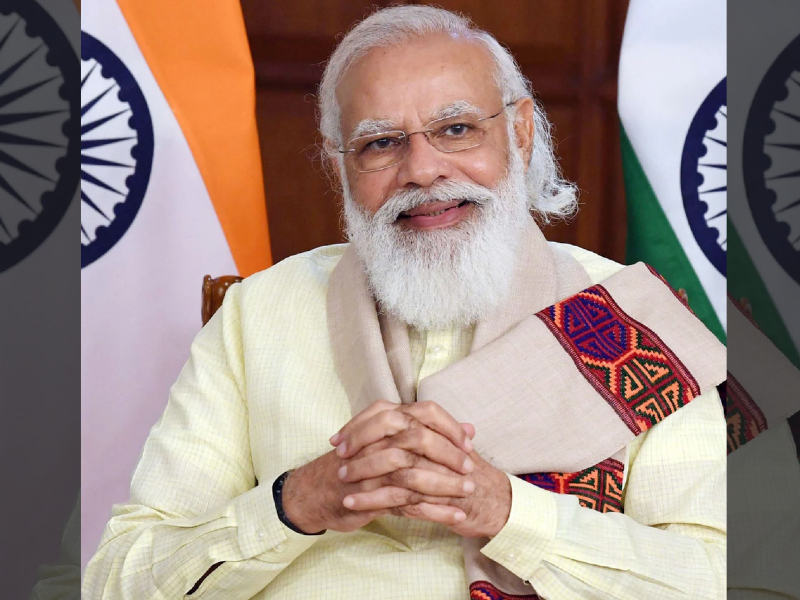
Many expected anger. Some anticipated a sharp political counterattack. Others thought the occasion would be used to settle scores. Instead, Modi chose a different path. In his late-night message, he said that abuse solves nothing. More importantly, he urged society not to hate the young people involved but to guide those who had gone astray. That appeal transformed a political controversy into a moral statement. This was a response that invited reflection rather than revenge.
This is perhaps the reason millions continue to connect with Narendra Modi at an emotional level. His supporters do not see him merely as the head of a government. They see him as a leader who regards India as one family. In every family, disagreements occur. Children sometimes make mistakes. Anger clouds judgment. But the responsibility of the elder is not only to discipline but it is also to reform, forgive and show the right path. Modi's appeal to guide, rather than merely condemn, the misguided youth resonated with those who already view him through this prism of national guardianship.
The emotional bond between Modi and his supporters cannot be explained only through electoral arithmetic. Election victories can secure office, but they cannot by themselves create affection. That bond is built over years through perception, trust and shared aspirations. His admirers believe he works tirelessly, speaks directly to ordinary citizens and consistently places the nation at the centre of his politics. They interpret his late-night message as another expression of that outlook: a leader refusing to let personal insult overshadow what he sees as the larger national interest.
The incident also raises a larger question about the direction of public discourse. Democracy flourishes through debate, disagreement and dissent. But it weakens when argument is replaced by personal vilification. An entire generation is growing up in an age of viral videos, instant outrage and social media algorithms that often reward the loudest voice rather than the strongest argument. Some young people risk confusing abuse with activism and insult with courage. Passion for a cause should never require the abandonment of civility.
That is why Modi's appeal carries significance beyond one political episode. It suggests that the answer to anger is not greater anger, and that society has a collective responsibility to engage with those who have embraced bitterness instead of simply writing them off. This does not mean accepting abusive behaviour. It means believing that people, especially the young, are capable of reflection, growth and change. The editorial's central argument is that a confident nation reforms where it can and condemns where it must, without allowing hatred to become its defining language.
India's civilisation has long celebrated the ideals of compassion, self-restraint and the transformation of individuals rather than their permanent rejection. Those values have found expression in its spiritual traditions, social reform movements and freedom struggle. Modi's supporters see echoes of those ideals in his appeal to guide rather than merely punish. They regard it as evidence that leadership is not measured only by administrative decisions or political victories, but also by the ability to rise above personal grievance.
None of this removes the space for criticism. In a democracy, governments must always remain open to scrutiny, and political leaders will inevitably face sharp questions. But criticism gains moral force when it focuses on ideas, policies and performance rather than descending into personal abuse. Likewise, those in power strengthen democratic culture when they respond with restraint instead of vengeance. That is the standard to which every political actor should aspire, regardless of ideology or party affiliation.
Perhaps that is why the late-night message struck a chord with so many people. It was not because it defended a political position. It was because it conveyed a human sentiment. It reminded citizens that leadership is tested not only in moments of triumph but also in moments of insult. It suggested that strength lies not merely in defeating opponents but in refusing to become consumed by bitterness.
India stands at a defining moment in its journey. It needs passionate political debate, but it also needs dignity in public life. It needs energetic youth, but it also needs that energy to be guided by responsibility. And it needs leaders capable of responding to provocation without losing sight of the larger national purpose. Narendra Modi's message reflected exactly that spirit. It is seen in the outlook of a leader who views the nation as one family—firm when necessary, compassionate whenever possible, and always hopeful that even those who have lost their way can find the path back. Modi message is not only political inspiration but also a lesson in leadership itself.
In the Indian spiritual tradition, greatness is measured not by the power to punish but by the strength to forgive. Hatred diminishes the one who nurtures it; compassion elevates the one who practices it. That is why millions see Narendra Modi not merely as a ruler, but as a guardian of the national soul.
This is perhaps the reason millions continue to connect with Narendra Modi at an emotional level. His supporters do not see him merely as the head of a government. They see him as a leader who regards India as one family. In every family, disagreements occur. Children sometimes make mistakes. Anger clouds judgment. But the responsibility of the elder is not only to discipline but it is also to reform, forgive and show the right path. Modi's appeal to guide, rather than merely condemn, the misguided youth resonated with those who already view him through this prism of national guardianship.
The emotional bond between Modi and his supporters cannot be explained only through electoral arithmetic. Election victories can secure office, but they cannot by themselves create affection. That bond is built over years through perception, trust and shared aspirations. His admirers believe he works tirelessly, speaks directly to ordinary citizens and consistently places the nation at the centre of his politics. They interpret his late-night message as another expression of that outlook: a leader refusing to let personal insult overshadow what he sees as the larger national interest.
The incident also raises a larger question about the direction of public discourse. Democracy flourishes through debate, disagreement and dissent. But it weakens when argument is replaced by personal vilification. An entire generation is growing up in an age of viral videos, instant outrage and social media algorithms that often reward the loudest voice rather than the strongest argument. Some young people risk confusing abuse with activism and insult with courage. Passion for a cause should never require the abandonment of civility.
That is why Modi's appeal carries significance beyond one political episode. It suggests that the answer to anger is not greater anger, and that society has a collective responsibility to engage with those who have embraced bitterness instead of simply writing them off. This does not mean accepting abusive behaviour. It means believing that people, especially the young, are capable of reflection, growth and change. The editorial's central argument is that a confident nation reforms where it can and condemns where it must, without allowing hatred to become its defining language.
India's civilisation has long celebrated the ideals of compassion, self-restraint and the transformation of individuals rather than their permanent rejection. Those values have found expression in its spiritual traditions, social reform movements and freedom struggle. Modi's supporters see echoes of those ideals in his appeal to guide rather than merely punish. They regard it as evidence that leadership is not measured only by administrative decisions or political victories, but also by the ability to rise above personal grievance.
None of this removes the space for criticism. In a democracy, governments must always remain open to scrutiny, and political leaders will inevitably face sharp questions. But criticism gains moral force when it focuses on ideas, policies and performance rather than descending into personal abuse. Likewise, those in power strengthen democratic culture when they respond with restraint instead of vengeance. That is the standard to which every political actor should aspire, regardless of ideology or party affiliation.
Perhaps that is why the late-night message struck a chord with so many people. It was not because it defended a political position. It was because it conveyed a human sentiment. It reminded citizens that leadership is tested not only in moments of triumph but also in moments of insult. It suggested that strength lies not merely in defeating opponents but in refusing to become consumed by bitterness.
India stands at a defining moment in its journey. It needs passionate political debate, but it also needs dignity in public life. It needs energetic youth, but it also needs that energy to be guided by responsibility. And it needs leaders capable of responding to provocation without losing sight of the larger national purpose. Narendra Modi's message reflected exactly that spirit. It is seen in the outlook of a leader who views the nation as one family—firm when necessary, compassionate whenever possible, and always hopeful that even those who have lost their way can find the path back. Modi message is not only political inspiration but also a lesson in leadership itself.
In the Indian spiritual tradition, greatness is measured not by the power to punish but by the strength to forgive. Hatred diminishes the one who nurtures it; compassion elevates the one who practices it. That is why millions see Narendra Modi not merely as a ruler, but as a guardian of the national soul.