Why Pakistani Media's interest in India's elections should raise questions, not eyebrows
Why should commentators in Pakistan appear more comfortable with one Indian political formation than another?
NewsBharati 10-Aug-2026 13:44:24 PM
Total Views |


India's domestic politics rarely remain confined within its borders. Every major election in the world's largest democracy attracts global attention from Washington and London to Beijing and Islamabad. However, when television discussions in Pakistan openly speculate about which political party they would prefer to see governing India, it naturally invites scrutiny.
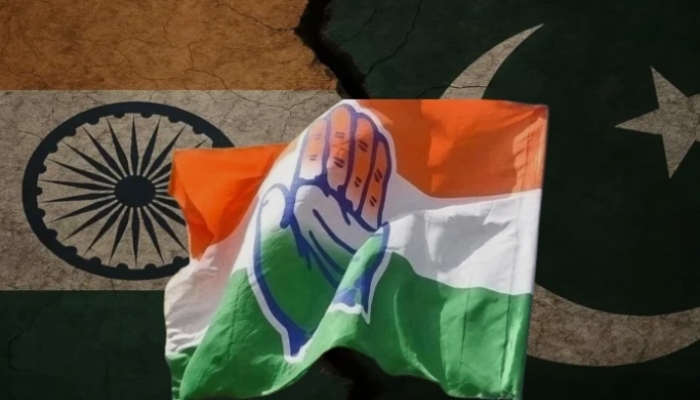
The obvious question is: Why should commentators in Pakistan appear more comfortable with one Indian political formation than another?
India's security doctrine: A noticeable shift
Since 2014, India has pursued a more assertive approach to national security under the BJP-led government. The 2016 surgical strikes following the Uri terror attack and the 2019 Balakot airstrike after the Pulwama attack marked a departure from previous responses to cross-border terrorism. The government presented these operations as evidence that India would respond militarily to terrorist attacks originating from across the border.
Counter-terror measures and internal security
Additionally, the National Investigation Agency (NIA) has over the years investigated multiple terror modules with alleged cross-border links, while enforcement agencies have intensified actions against terror financing networks. Government officials argue that these measures demonstrate a "zero tolerance" approach towards terrorism and radicalisation. Critics, however, caution that counter-terror measures must remain subject to constitutional safeguards and judicial oversight to ensure due process.
Congress and the debate over secularism
The Congress party has consistently described itself as a defender of India's constitutional commitment to secularism, pluralism, and minority rights. It opposed the abrogation of Article 370, criticised aspects of the Citizenship (Amendment) Act (CAA), and frequently questioned the implementation of certain national security policies, arguing that constitutional principles and civil liberties must be protected.
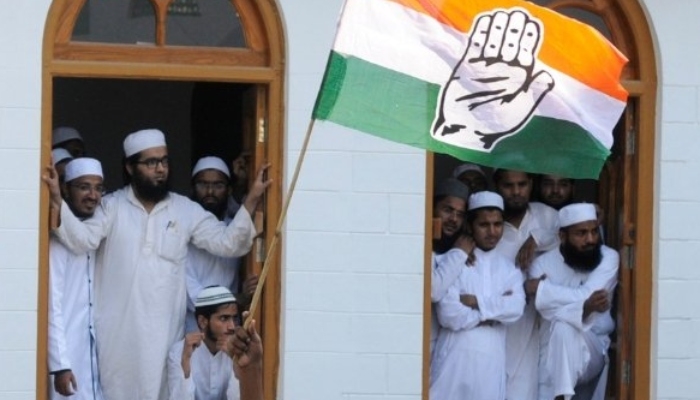
These contrasting perspectives have become one of the defining ideological fault lines in contemporary Indian politics. Whether one views these differences as competing constitutional visions or contrasting governance philosophies largely depends on political perspective.
Why Pakistan pays close attention
For this reason, Pakistani television discussions about India's elections are not unusual. However, when commentators express apparent preferences regarding potential electoral outcomes, such remarks naturally attract attention within India. It is important to distinguish, however, between commentary expressed by television panellists and the official foreign policy positions of the Pakistani state.
Democratic contestation and national security
India's democracy is characterised by vigorous debate on issues ranging from national security to civil liberties. The BJP maintains that a strong security doctrine, decisive action against terrorism, and constitutional integration are essential to safeguarding India's sovereignty. Congress, in contrast, argues that these objectives must always be balanced with constitutional protections, federalism, and individual rights.
This contest between security and liberty is not unique to India; democracies worldwide grapple with similar questions. Yet India's geopolitical environment, marked by cross-border terrorism, unresolved territorial disputes, and regional competition, makes these debates especially consequential.
Looking beyond politics
India's elections will ultimately be decided by Indian voters, guided by their own assessments of governance, security, economic performance, and constitutional values. Nevertheless, the interest shown by Pakistani media reflects the undeniable reality that India's political decisions have significant regional consequences.
Whether one supports the BJP's emphasis on national security or Congress' emphasis on constitutional safeguards, one fact remains clear: India's domestic politics now carry strategic implications that extend far beyond its borders. The recent discussions in Pakistani media therefore serve less as an endorsement of any political party and more as a reminder of India's growing influence in shaping South Asia's geopolitical landscape
Recently, videos circulating on social media showed panellists on Pakistan's SAMAA TV discussing India's political future and expressing the view that a Congress-led government would be preferable to the current BJP-led administration. While these discussions represent the opinions of television commentators rather than the official position of the Pakistani government, they have nevertheless sparked debate among Indian observers.
The obvious question is: Why should commentators in Pakistan appear more comfortable with one Indian political formation than another?
India's security doctrine: A noticeable shift
Since 2014, India has pursued a more assertive approach to national security under the BJP-led government. The 2016 surgical strikes following the Uri terror attack and the 2019 Balakot airstrike after the Pulwama attack marked a departure from previous responses to cross-border terrorism. The government presented these operations as evidence that India would respond militarily to terrorist attacks originating from across the border.
Another watershed moment came in August 2019 when Parliament revoked the special constitutional status of Jammu and Kashmir under Article 370. The Union Government argued that the move would promote national integration, improve governance, and foster economic development in the region. In December 2023, the Supreme Court upheld the constitutional validity of the decision while directing the restoration of democratic processes through elections. These developments have significantly shaped perceptions of India's strategic posture.
Pakistani TV channels are openly expressing hope for Rahul Gandhi to become India's next Prime Minister and for the Congress party to return to power.
— Megh Updates 🚨™ (@MeghUpdates) August 7, 2026
The outcome they argue would weaken India's interests and reduce Hindus to second-class citizens. pic.twitter.com/p5WFEThcVq
Counter-terror measures and internal security
The BJP government has consistently highlighted internal security as one of its defining priorities. In September 2022, the Ministry of Home Affairs declared the Popular Front of India (PFI) and several affiliated organisations unlawful under the Unlawful Activities (Prevention) Act (UAPA), citing concerns over alleged links with extremist activities. In March 2023, a UAPA Tribunal upheld the ban after reviewing the evidence presented by the government.
Additionally, the National Investigation Agency (NIA) has over the years investigated multiple terror modules with alleged cross-border links, while enforcement agencies have intensified actions against terror financing networks. Government officials argue that these measures demonstrate a "zero tolerance" approach towards terrorism and radicalisation. Critics, however, caution that counter-terror measures must remain subject to constitutional safeguards and judicial oversight to ensure due process.
Congress and the debate over secularism
The Congress party has consistently described itself as a defender of India's constitutional commitment to secularism, pluralism, and minority rights. It opposed the abrogation of Article 370, criticised aspects of the Citizenship (Amendment) Act (CAA), and frequently questioned the implementation of certain national security policies, arguing that constitutional principles and civil liberties must be protected.
The BJP and its supporters, however, have often accused Congress of practising "minority appeasement" and adopting political positions that prioritise electoral considerations over national security. Congress rejects these allegations, arguing that safeguarding constitutional rights and protecting minorities is central to India's democratic framework.
These contrasting perspectives have become one of the defining ideological fault lines in contemporary Indian politics. Whether one views these differences as competing constitutional visions or contrasting governance philosophies largely depends on political perspective.
Why Pakistan pays close attention
Pakistan's media and strategic commentators have historically analysed Indian elections because political changes in New Delhi directly affect bilateral relations, border security, diplomacy, and regional stability. Following India's constitutional changes in Jammu and Kashmir, Pakistan officially downgraded diplomatic relations and repeatedly criticised India's decisions at international forums. Likewise, developments such as the Balakot strike and India's counter-terror policies have been closely scrutinised within Pakistan's media ecosystem.
For this reason, Pakistani television discussions about India's elections are not unusual. However, when commentators express apparent preferences regarding potential electoral outcomes, such remarks naturally attract attention within India. It is important to distinguish, however, between commentary expressed by television panellists and the official foreign policy positions of the Pakistani state.
Democratic contestation and national security
India's democracy is characterised by vigorous debate on issues ranging from national security to civil liberties. The BJP maintains that a strong security doctrine, decisive action against terrorism, and constitutional integration are essential to safeguarding India's sovereignty. Congress, in contrast, argues that these objectives must always be balanced with constitutional protections, federalism, and individual rights.
This contest between security and liberty is not unique to India; democracies worldwide grapple with similar questions. Yet India's geopolitical environment, marked by cross-border terrorism, unresolved territorial disputes, and regional competition, makes these debates especially consequential.
Looking beyond politics
Political narratives often become polarised, particularly during election cycles. Supporters of different parties interpret identical events through contrasting ideological lenses. Consequently, commentary originating from foreign media can easily become part of domestic political discourse. However, responsible analysis requires separating verified facts from political interpretation. While Pakistani television debates may reveal how sections of its media perceive India's evolving political landscape, they do not determine India's democratic choices. Nor should isolated television discussions be mistaken for comprehensive assessments of public opinion or state policy.
India's elections will ultimately be decided by Indian voters, guided by their own assessments of governance, security, economic performance, and constitutional values. Nevertheless, the interest shown by Pakistani media reflects the undeniable reality that India's political decisions have significant regional consequences.
Whether one supports the BJP's emphasis on national security or Congress' emphasis on constitutional safeguards, one fact remains clear: India's domestic politics now carry strategic implications that extend far beyond its borders. The recent discussions in Pakistani media therefore serve less as an endorsement of any political party and more as a reminder of India's growing influence in shaping South Asia's geopolitical landscape

Pranay S. Pale
Pranay S. Pale