Russia Offers India 360 Kmph Ivolga FG Train With Local Manufacturing Plan
Total Views |


New Delhi , September 17 : Russia has offered India its Ivolga FG high-speed train technology, with the proposed train having a design speed of up to 360 kmph. Russian rolling stock manufacturer Transmashholding (TMH) has proposed jointly developing and manufacturing the train in India, potentially giving Indian companies a larger role in the high-speed rail supply chain.
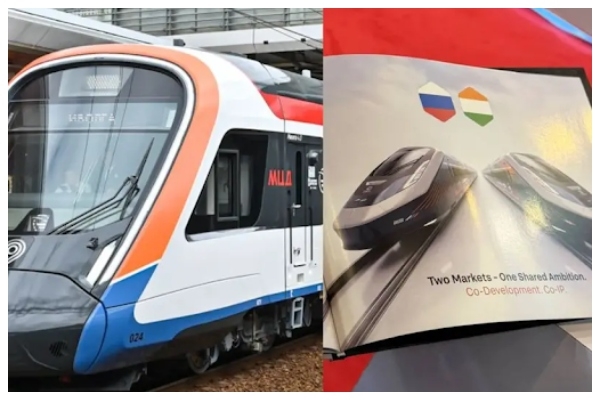
The proposal reportedly includes a target of around 80 per cent local manufacturing, which could create opportunities for Indian companies involved in railway components and systems. These could include propulsion equipment, electronics, braking systems, signalling and communication technologies.
The proposal is significant not only because of the train's proposed speed but also because of the possibility of developing manufacturing and technology capabilities within India.
🇷🇺Russian company Transmasholding, which owns Kinet Railways, the manufacturer of Vande Bharat train has offered India High Speed alluminium train concept 'IVOLGA FG' with 80% components manufactured in India.
— Dr. Ajayshree Singh Sambyal (@AjayshreeSamby3) September 11, 2026
🔹Speed- 350km/hr
🔹Capacity- 642, 8 cars
🔹Service Life- 30 years pic.twitter.com/JydDLLquS9
However, the 360 kmph figure is a design speed for the proposed Ivolga FG concept and should not be understood as an approved operating speed on Indian railway lines. Actual commercial operations would depend on infrastructure, signalling, safety certification, testing and regulatory approvals.
TMH already has a presence in India's railway manufacturing sector through Kinet Railway Solutions, a joint venture involving TMH and Rail Vikas Nigam Limited (RVNL).
The proposed Ivolga FG project, however, is separate from the existing Vande Bharat programme. Vande Bharat remains an Indian-developed train platform, while the TMH partnership relates to manufacturing and maintenance cooperation.
ALSO READ: Shahzad Bhatti Network: Pak’s New Terror Architecture Inside India
The Russian proposal would also be separate from India's Mumbai-Ahmedabad High-Speed Rail project, which is based on Japanese Shinkansen technology.
At present, the Ivolga FG is a proposal rather than a confirmed Indian train order. Its future use in India would depend on technical evaluations, commercial decisions, infrastructure requirements and necessary approvals.