How is Rudraksha traditionally worn? From prayer mala to Shaivite symbol
Rudraksha is traditionally associated with Lord Shiva. The word itself is commonly understood as Rudra, a name associated with Shiva, and aksha, meaning eye.
Total Views |


A string of Rudraksha beads around the neck is perhaps one of the most recognisable symbols of Shaivite devotion. Seen on ascetics, spiritual practitioners and ordinary devotees alike, the bead has been worn in different forms for centuries. But traditional Hindu texts prescribe more than simply putting a Rudraksha around one's neck. They describe where it may be worn, how many beads may be used, and the devotional practices associated with it.
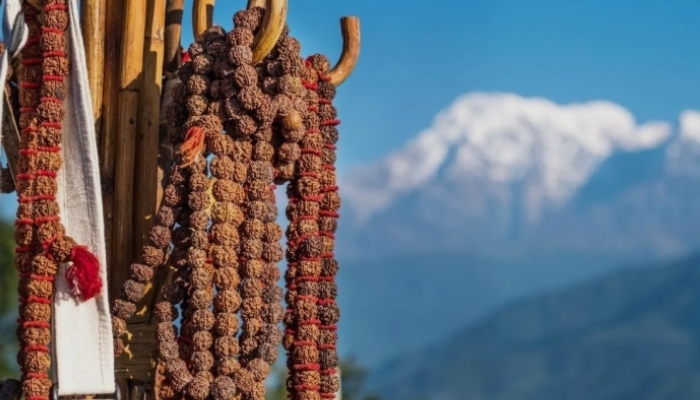
Worn around the neck
The most familiar form is a Rudraksha mala worn around the neck. The Shiva Purana describes devotees wearing Rudraksha on different parts of the body, including the head, neck, arms and ears. The number of beads prescribed varies according to the particular practice and text. A mala is also used for japa, or repetitive recitation of a mantra. Instead of being worn merely as jewellery, the beads can serve as a counting aid. A devotee moves from one bead to the next while repeating a chosen mantra.

Around the wrist and arms
Rudraksha is also traditionally worn on the arms and wrists. The Shiva Purana describes arrangements involving Rudraksha beads on different parts of the body and gives detailed numerical prescriptions for particular forms of wearing them. In contemporary practice, however, a much smaller number of beads is commonly worn as a wrist mala or bracelet. These modern forms should be distinguished from the elaborate bead arrangements described in classical texts.
On the head

Rudraksha and sacred ash
Rudraksha is traditionally worn alongside another important Shaivite symbol, vibhuti, or sacred ash.
The Shiva Purana gives particular importance to the combination of Shiva's name, sacred ash and Rudraksha. In its description of Shaivite devotion, these are treated as visible expressions of dedication to Shiva. This helps explain the familiar image of Shaivite ascetics wearing Rudraksha malas while also applying sacred ash to the body.
Notably, the traditional purpose of a mala is closely connected with mantra practice. A devotee holds the mala and recites a mantra while moving through the beads. The beads therefore provide a physical count for repeated prayers. The number of beads in a mala can vary. A 108-bead mala is particularly common in Hindu religious practice, although other arrangements are also used.
The important distinction is that a mala used for japa is not necessarily the same thing as a Rudraksha necklace worn primarily as a religious symbol. The same beads may serve both purposes, but their function can differ according to the devotee's practice.
Rules about wearing Rudraksha
Popular discussions about Rudraksha often contain numerous rules: what one can eat while wearing it, whether it must be removed before sleeping, bathing, or travelling, and what rituals must be performed before putting it on. Some of these practices are followed by particular communities or contemporary spiritual traditions. However, they should not automatically be presented as universal Hindu rules.
Classical texts do prescribe devotional conduct around Rudraksha. The Shiva Purana, for example, places emphasis on purity, devotion to Shiva, and the proper treatment of the sacred beads. But practices can differ between Shaiva traditions, religious teachers, families, and regions.
Can anyone wear Rudraksha?
_202609181350066281_H@@IGHT_400_W@@IDTH_700.jpg "Rudraksha")
What about the “Mukhi” of the bead?
Before wearing Rudraksha, devotees and sellers often discuss the bead's mukhi, meaning its natural faces or divisions. Traditional literature assigns different religious associations to different mukhi varieties. The Rudrakshajabala Upanishad and Shiva Purana discuss these classifications, although modern commercial traditions have expanded the discussion considerably.
The important point is that the mukhi number describes the physical form of the bead; claims about guaranteed health, financial, or supernatural effects should not be confused with the religious significance found in traditional texts.
Ultimately, the traditional purpose of wearing Rudraksha is closely connected with remembrance of Shiva. Whether worn around the neck, wrist, arm, or head, or held during japa, the bead serves as a visible and tactile reminder of devotion. That may be why Rudraksha has survived as one of the most recognisable symbols of Shaivism. Its significance does not depend simply on its appearance. For devotees, the bead carries a story of Shiva, a connection with prayer and a tradition of religious practice passed down through generations.
As Nashik prepares for the Simhastha Kumbh 2027, the connection will be particularly visible. With Trimbakeshwar, one of the twelve Jyotirlingas, at the centre of the region's religious landscape, Rudraksha is likely to remain one of the most prominent devotional objects sought by pilgrims.
For the devotee, wearing Rudraksha is ultimately less about adornment and more about carrying a reminder of Shiva wherever the pilgrimage, or life, takes them.
Rudraksha is traditionally associated with Lord Shiva. The word itself is commonly understood as Rudra, a name associated with Shiva, and aksha, meaning eye. The Shiva Purana and Rudrakshajabala Upanishad contain some of the important traditional accounts surrounding the bead.
Worn around the neck
The most familiar form is a Rudraksha mala worn around the neck. The Shiva Purana describes devotees wearing Rudraksha on different parts of the body, including the head, neck, arms and ears. The number of beads prescribed varies according to the particular practice and text. A mala is also used for japa, or repetitive recitation of a mantra. Instead of being worn merely as jewellery, the beads can serve as a counting aid. A devotee moves from one bead to the next while repeating a chosen mantra.
For Shaivite devotees, this may include the Panchakshara mantra, “Namah Shivaya.”
Around the wrist and arms
Rudraksha is also traditionally worn on the arms and wrists. The Shiva Purana describes arrangements involving Rudraksha beads on different parts of the body and gives detailed numerical prescriptions for particular forms of wearing them. In contemporary practice, however, a much smaller number of beads is commonly worn as a wrist mala or bracelet. These modern forms should be distinguished from the elaborate bead arrangements described in classical texts.
On the head
Some of the most striking descriptions in the Shiva Purana concern wearing Rudraksha on the head. The text describes devotees wearing multiple strands of Rudraksha around the head and associates such practices with Shaivite observance. This is particularly significant because it demonstrates that Rudraksha was traditionally regarded as much more than an ornament. Its placement on the body itself could form part of religious discipline.
Rudraksha and sacred ash
Rudraksha is traditionally worn alongside another important Shaivite symbol, vibhuti, or sacred ash.
The Shiva Purana gives particular importance to the combination of Shiva's name, sacred ash and Rudraksha. In its description of Shaivite devotion, these are treated as visible expressions of dedication to Shiva. This helps explain the familiar image of Shaivite ascetics wearing Rudraksha malas while also applying sacred ash to the body.
Notably, the traditional purpose of a mala is closely connected with mantra practice. A devotee holds the mala and recites a mantra while moving through the beads. The beads therefore provide a physical count for repeated prayers. The number of beads in a mala can vary. A 108-bead mala is particularly common in Hindu religious practice, although other arrangements are also used.
The important distinction is that a mala used for japa is not necessarily the same thing as a Rudraksha necklace worn primarily as a religious symbol. The same beads may serve both purposes, but their function can differ according to the devotee's practice.
Rules about wearing Rudraksha
Popular discussions about Rudraksha often contain numerous rules: what one can eat while wearing it, whether it must be removed before sleeping, bathing, or travelling, and what rituals must be performed before putting it on. Some of these practices are followed by particular communities or contemporary spiritual traditions. However, they should not automatically be presented as universal Hindu rules.
Classical texts do prescribe devotional conduct around Rudraksha. The Shiva Purana, for example, places emphasis on purity, devotion to Shiva, and the proper treatment of the sacred beads. But practices can differ between Shaiva traditions, religious teachers, families, and regions.
Can anyone wear Rudraksha?
The traditional literature is notable in this respect. The Shiva Purana states that Rudraksha can be worn by people across different stages of life and does not restrict its wearing solely to ascetics. It also describes women and men wearing the sacred beads. This broad traditional acceptance helps explain why Rudraksha today can be seen on householders, pilgrims, monks, and spiritual practitioners alike.
What about the “Mukhi” of the bead?
Before wearing Rudraksha, devotees and sellers often discuss the bead's mukhi, meaning its natural faces or divisions. Traditional literature assigns different religious associations to different mukhi varieties. The Rudrakshajabala Upanishad and Shiva Purana discuss these classifications, although modern commercial traditions have expanded the discussion considerably.
The important point is that the mukhi number describes the physical form of the bead; claims about guaranteed health, financial, or supernatural effects should not be confused with the religious significance found in traditional texts.
Ultimately, the traditional purpose of wearing Rudraksha is closely connected with remembrance of Shiva. Whether worn around the neck, wrist, arm, or head, or held during japa, the bead serves as a visible and tactile reminder of devotion. That may be why Rudraksha has survived as one of the most recognisable symbols of Shaivism. Its significance does not depend simply on its appearance. For devotees, the bead carries a story of Shiva, a connection with prayer and a tradition of religious practice passed down through generations.
As Nashik prepares for the Simhastha Kumbh 2027, the connection will be particularly visible. With Trimbakeshwar, one of the twelve Jyotirlingas, at the centre of the region's religious landscape, Rudraksha is likely to remain one of the most prominent devotional objects sought by pilgrims.
For the devotee, wearing Rudraksha is ultimately less about adornment and more about carrying a reminder of Shiva wherever the pilgrimage, or life, takes them.