Supreme Court dismisses plea seeking action against Social Media content over communal disharmony
Total Views |


New Delhi , Sept 23 : The Supreme Court on Wednesday declined to entertain a public interest litigation seeking directions to the Centre and social media platforms to identify, remove and block online content allegedly capable of promoting communal disharmony, undermining judicial independence and threatening national integrity.
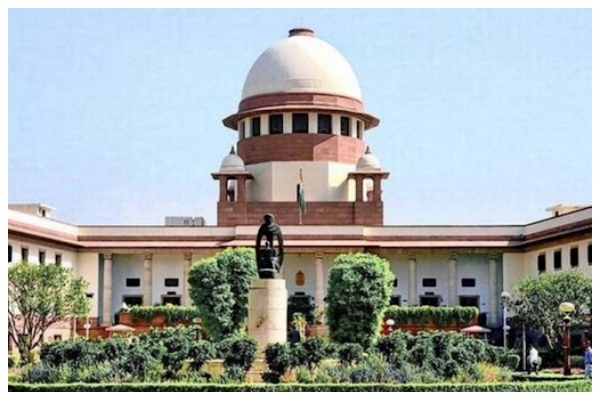
A bench headed by Chief Justice of India Surya Kant, along with Justices Joymalya Bagchi and V Mohana, dismissed the PIL filed by Gujarat-based social worker Hitendra Kumar Parsottambhai Gadhiya.
During the hearing, the CJI advised the petitioner to approach the concerned authorities with his grievances. “Don't give so much importance to these people,” the Chief Justice observed.
The petition sought directions to social media intermediaries, including X Corp, YouTube, Facebook, Instagram and WhatsApp, to remove or block posts allegedly inciting people against communal harmony, national integrity and judicial independence, and those allegedly undermining constitutional authorities.
Gadhiya had approached the top court seeking enforcement of statutory obligations concerning unlawful digital content and the protection of communal harmony. The petition alleged that social media platforms had not adequately complied with their obligations under the Information Technology Act, 2000, and the Information Technology (Intermediary Guidelines and Digital Media Ethics Code) Rules, 2021.
#SupremeCourt refuses to entertain a plea seeking directions to the Centre and #SocialMedia platforms to identify, remove and block online content which has a tendency to incite communal disharmony or undermine judicial independence. pic.twitter.com/Q20TdlhOK6
— Upendrra Rai (@UpendrraRai) September 23, 2026
According to the plea, videos, memes, manipulated content, abusive posts and other material circulated online allegedly insulted or promoted hatred against Hindu religious beliefs, Sanatan Dharma and Hindu deities.
The petitioner also alleged that fake messages and provocative material circulated through social media could disturb public order and contribute to communal tensions.
The plea named the Union Ministries of Home Affairs and Electronics and Information Technology, the Delhi government, Google/YouTube, Meta Platforms, X Corp and WhatsApp as respondents.
ALSO READ: Shivamogga IS Conspiracy case: Fourth accused sentenced to 6 years by NIA Court
It sought a writ of mandamus directing the respondents to remove or block social media content allegedly having a tendency to incite the public against communal harmony, national integrity and judicial independence. It also sought directions to intermediaries to comply with Rules 3, 3A and 4 of the 2021 Intermediary Guidelines and Digital Media Ethics Code Rules.