Kashi’s temple economy keeps growing as Varanasi records 7.26 crore visitors in 2025
Varanasi recorded more than 7.26 crore tourist and pilgrim visits in 2025, according to Uttar Pradesh government figures. The surge has continued into 2026, with the Kashi Vishwanath Temple witnessing heavy crowds during Sawan and the city seeing growing demand for hotels, restaurants, transport, boats and local handicrafts.
Total Views |


Kashi is seeing a level of tourist and pilgrim footfall that would have been difficult to imagine a decade ago. More than 7.26 crore visitors came to Varanasi in 2025, according to figures released by the Uttar Pradesh government, putting the ancient temple city firmly among India’s major tourism destinations.
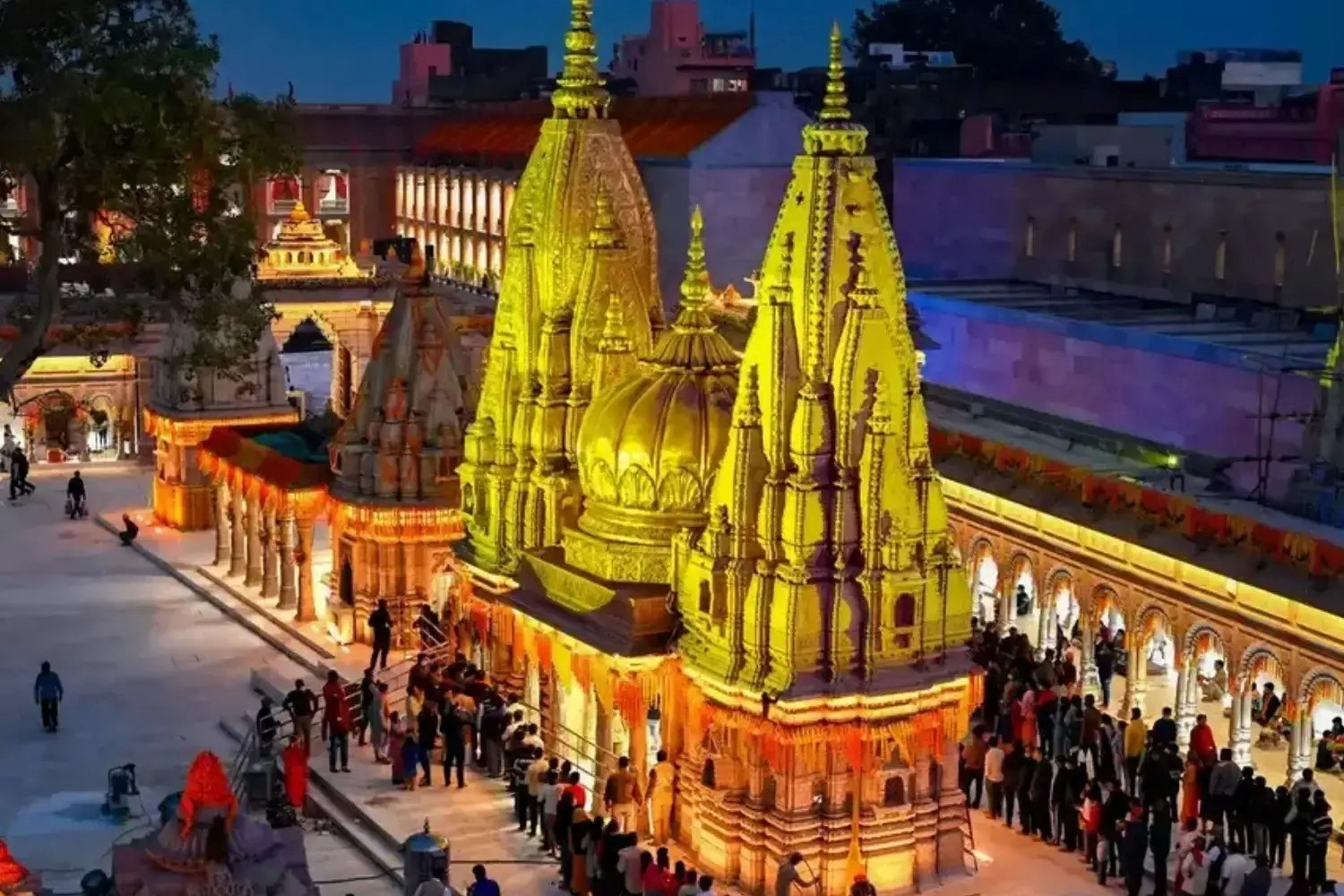
The numbers are not limited to visitors coming only for the Kashi Vishwanath Temple. The government’s figure of 7,26,76,780 visitors covers people visiting the city’s ghats, temples and other attractions. It also includes a major flow of pilgrims who reached Varanasi after the Prayagraj Maha Kumbh in 2025.
According to the Uttar Pradesh government, around 2.87 crore pilgrims formed part of this “return flow” from the Maha Kumbh. After taking a holy dip at the Triveni Sangam in Prayagraj, many of them travelled to Varanasi and visited Kashi Vishwanath.
The rush has not disappeared in 2026.
During the first 19 days of Sawan this year, 53,69,634 devotees visited the Kashi Vishwanath Temple, according to figures reported by the temple administration. Mondays were particularly busy, with an average of around 5.5 lakh devotees visiting on each Monday during the period. The temple administration had estimated that the Sawan total could reach around 80 lakh.
The Kashi Vishwanath Dham effect
One of the major changes in the city came with the redevelopment of the Kashi Vishwanath Dham.
Prime Minister Narendra Modi inaugurated the first phase of the project on December 13, 2021. The project created a much larger area around the temple and established a direct connection between the temple and the Ganga ghats. According to the Prime Minister’s Office, the temple area expanded from around 3,000 square feet to nearly five lakh square feet. The new complex was designed to accommodate between 50,000 and 75,000 devotees in the temple and its premises.
The project was also intended to address one of the long-standing problems faced by pilgrims, narrow lanes and limited space around the temple.
The redevelopment changed the physical experience of visiting Kashi Vishwanath. Pilgrims can now move between the Ganga and the temple through a substantially expanded public space.
The rise in footfall after the redevelopment has been significant. According to Kashi Vishwanath Temple Trust CEO Vishwa Bhushan Mishra, more than 32.5 crore people had visited the temple between the inauguration of the redeveloped Dham in December 2021 and June 29, 2026. He also pointed out that not every tourist visiting Varanasi necessarily visits the temple, since people also come for Sarnath, Jain sites, business and other attractions.
From darshan to a larger local economy
The effect of the visitor boom is visible beyond the temple gates.
A pilgrim arriving in Varanasi needs a place to stay, food, transport and often a boat ride. Many visitors also buy flowers, religious offerings, rudraksha, brass products, silk sarees and other local handicrafts.
A recent Business Standard report quoted Vishwa Bhushan Mishra as saying that a tourism survey found average spending of around Rs 7,000 per person for visitors from within Uttar Pradesh, Rs 8,000 for visitors from outside the state and ₹20,000 for international tourists. The spending included travel, accommodation, food, religious offerings, sarees and handicrafts.
According to the same account, around 75 per cent of visitors were domestic tourists from outside Uttar Pradesh, 23 per cent were from within the state and about 2 per cent were international visitors. These figures were based on a tourism survey cited by the temple trust CEO, rather than a count of every individual transaction in the city.
That spending reaches a wide network of people.
Boatmen operating around Dashashwamedh and Assi ghats benefit when visitor numbers rise. So do taxi and e-rickshaw drivers, hotel workers, restaurant employees, flower sellers, shopkeepers and guides.
The traditional Banarasi textile industry also has a connection with the tourism economy. Visitors looking for souvenirs and traditional products form an important market for local artisans and traders.
Hotel investment follows the crowds
The hospitality industry is also expanding to keep pace with demand.
According to a Times of India report, 10 hotels with an investment of around ₹429 crore were operational, employing more than 600 people. Another 17 hotels were under construction with an investment of about Rs 778 crore and were expected to create around 1,500 jobs. A further 27 hotel projects were listed under the GBC 4.0 pipeline with a combined investment of about Rs 1,207 crore.
The numbers show how tourism demand is attracting private investment alongside government infrastructure.
The change is particularly visible during peak periods. Hotels, guest houses and dharamshalas face sharp increases in demand around Mahashivratri, Sawan, major Mondays, Diwali and New Year.
The New Year period itself produced another notable surge. Between December 24, 2025, and January 1, 2026, more than 30.75 lakh devotees visited Kashi Vishwanath, according to the UP government's account.
Kashi’s changing tourism identity
The transformation of Varanasi is also part of a larger push towards religious and heritage tourism in Uttar Pradesh.
The city has several attractions beyond Kashi Vishwanath, including the Ganga ghats, Sarnath and its Buddhist heritage. The official Kashi tourism portal itself lists the temple, ghats, Ganga Aarti, Sarnath and other cultural attractions as major visitor destinations.
The result is a tourism model that increasingly combines pilgrimage, heritage, culture, food and leisure.