Discredit the ECI, Delegitimize the Verdict
NewsBharati 25-Sep-2026 10:53:32 AM
Total Views |


The controversy surrounding the Election Commission of India is being presented as though the country's electoral machinery has suddenly developed a fatal internal contradiction. Two Election Commissioners raised objections on several occasions. That is the substance of the report. But the political meaning being attached to it is something entirely different.
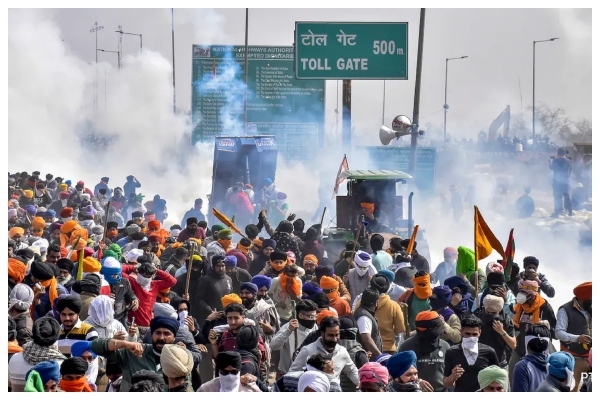
There is a crucial distinction between difference of opinion within a constitutional institution and institutional breakdown. The former is normal; the latter has to be established by evidence. The Election Commission has now made its position clear. It says internal notes, queries and differing views are part of the normal deliberative process and that its final decisions over the past year, including those relating to the Special Intensive Revision of electoral rolls, were unanimous.
This fact cannot simply be wished away. If two Election Commissioners had reservations about particular aspects of a proposal, they were entitled to record them. But if the final institutional decisions were unanimous, to portray every internal observation as a revolt against the Commission is to confuse deliberation with decision-making. That confusion is politically significant.
The real question is not what two Commissioners thought at a particular stage. The real question is why an internal institutional process is being converted into a weapon for creating suspicion about the entire electoral system.nFrom EVM to SIR: the target keeps changing. This is where the present controversy has to be seen in a larger context.
ALSO READ: DRI, BSF bust multiple gold smuggling consignments along India-Bangladesh border
The pattern is worth examining. If the EVM is declared suspect, the voting process becomes suspect. If the voters' list is declared suspect, the electorate becomes suspect. If the Election Commission is declared suspect, the conduct of the election becomes suspect. And once the election itself is placed under suspicion, its result can conveniently be declared illegitimate. This is not merely criticism of an institution. It is a method of delegitimizing the democratic mandate itself. That is why SIR matters.
The electoral roll is not a routine bureaucratic document. It determines who participates in the exercise of popular sovereignty. Its integrity is therefore directly connected with national sovereignty and the credibility of representative democracy. There can be legitimate concerns about errors, exclusions and safeguards. Those concerns must be addressed. But the answer cannot be to make every attempt to clean and verify electoral rolls appear inherently suspicious.
The Supreme Court has also recognised the constitutional basis of the Election Commission's authority in electoral-roll revision. The legal debate can and should continue through courts and constitutional mechanisms. But it cannot simply be replaced by political assertions that the exercise itself is illegitimate.Why is SIR politically uncomfortable? This is perhaps the most uncomfortable question in the entire controversy. Why has the revision of electoral rolls generated such intense political resistance? A voter list containing dead persons, duplicate entries, ineligible persons or other irregularities cannot be defended in the name of democracy. At the same time, every eligible citizen must have an effective opportunity to establish his or her entitlement to vote. That is the constitutional balance.
But there is another dimension which cannot be ignored-electoral integrity is also a question of national security and sovereignty. Citizenship cannot become a political convenience. The franchise cannot be treated as an entitlement detached from citizenship and legal eligibility. A sovereign republic has a legitimate interest in knowing who constitutes its electorate. Therefore, an exercise designed to scrutinise electoral rolls cannot automatically be described as an assault on democracy. The political sensitivity surrounding SIR needs examination rather than slogans.
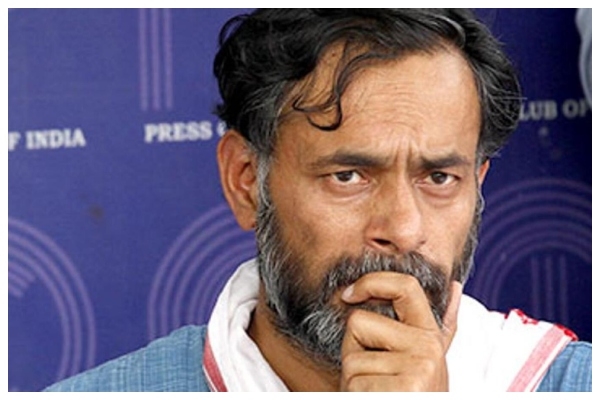
Criticism of constitutional institutions is legitimate. But there is a point at which criticism can turn into systemic delegitimization. And that is where the danger of anarchy begins. The objective need not necessarily be to physically overthrow a government. It can be sufficient to convince citizens that no constitutional institution can be trusted and that no electoral verdict can be accepted unless it favours one's own political side. Once that psychology takes root, democracy begins to lose its most important foundation: acceptance of the people's verdict.
The political Opposition has every right to challenge the government. It has every right to challenge the ECI. It can approach the Supreme Court, raise issues in Parliament, demand transparency and contest electoral decisions. But there is a fundamental difference between challenging a decision and destroying faith in the institution that makes decisions.
ALSO READ: NB IN PICS: #WorldRhinoDay Story of a Species making a comeback
When electoral politics becomes difficult, there is always a temptation to search for alternative routes to political power. The danger begins when street mobilisation is presented as a substitute for electoral legitimacy. Statements and rhetoric surrounding the ECI have increasingly acquired this character. During the 2025 “vote chori” campaign, BJP leaders accused Rahul Gandhi of seeking a Bangladesh- or Nepal-like situation in India. India is not Nepal. India is not Bangladesh. India is a constitutional democracy, with deep roots in ancient history, with a functioning electoral system, independent courts, legislatures, political parties and regular elections. Political change in India must therefore come through the Indian voter.
The deeper problem is ideological. If a political formation repeatedly tells citizens that institutions are compromised, elections are stolen, electoral rolls are manipulated and constitutional mechanisms are illegitimate, it eventually confronts a fundamental contradiction-how does it propose to accept power when it wins and the system when it loses? Democracy requires both. One cannot demand faith in an election only when one's own party wins.
That is why the ECI controversy should not be viewed merely through the narrow prism of the reported objections of two Commissioners. The more consequential issue is the cumulative effect of campaigns that place the entire electoral process under suspicion. The danger is not criticism. The danger is permanent distrust. And permanent distrust, when combined with street mobilisation, social fault lines and aggressive political rhetoric, can create precisely the atmosphere in which constitutional democracy becomes vulnerable to anarchy.
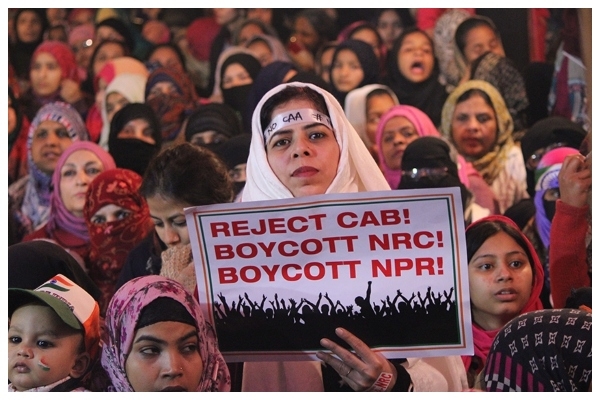
There is yet another dimension. Political battles are increasingly being fought through India's social fault lines caste, community, region, language and identity. These fault lines are real and many of the grievances associated with them are genuine. But their political exploitation can turn social differences into permanent political divisions. The objective of such politics, when taken to its extreme, is not social justice but political consolidation. Divide society, weaken institutions, delegitimize the electoral process and then claim that the existing political order has lost legitimacy. That is a dangerous sequence. India's constitutional system cannot be allowed to become a casualty of this politics.
There is no contradiction between defending the Election Commission and demanding accountability from it. The Commission must remain transparent. It must answer legitimate questions. It must protect every eligible voter. It must ensure that electoral-roll revision does not wrongly deprive citizens of their franchise. But these legitimate demands should not become an excuse to destroy public confidence in the electoral process itself.
ALSO READ: Vienna’s 42% Question: When Islam Changes a City’s Demography
The larger design whether coordinated or simply the cumulative consequence of similar political strategies—must be examined with seriousness. The sequence is too important to ignore - question the electoral machinery, question the voters' list, question the Election Commission, question the election, and finally question the mandate. That is how institutional confidence is eroded.
India has seen governments come and go. It has seen political parties rise and fall. It has survived wars, emergencies, agitations and ideological battles. What has endured is the constitutional process through which political power changes hands. That process must remain non-negotiable.

Editor's Desk
Editor's Desk