Tribal Women turn Coffee Nursery into Rural Enterprise in Odisha’s Koraput
Total Views |


Koraput , Sept 27: A community-led coffee nursery in Ranitota village of Lamtaput Aspirational Block in Odisha’s Koraput district is creating new opportunities for tribal women by promoting entrepreneurship and sustainable livelihoods.
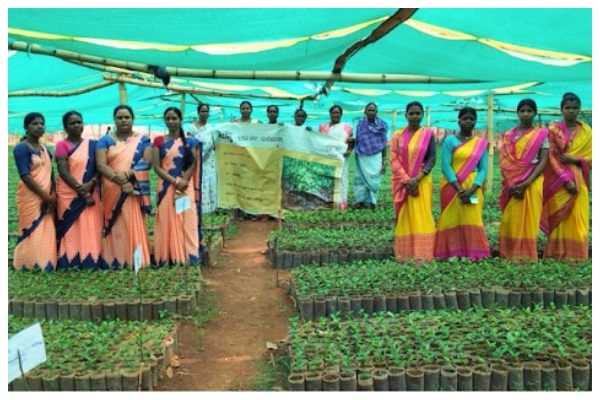
The initiative is being supported under the Centre’s Aspirational Blocks Programme (ABP), which aims to improve development outcomes in remote and underserved areas. Through the coffee nursery, local women associated with Self-Help Groups (SHGs) are receiving opportunities to develop skills in coffee seedling production and nursery management.
Technical support from the Coffee Board of India and financial assistance through the Coffee Development Trust have helped women gain knowledge of establishing and managing coffee nurseries. The seedlings produced locally are contributing to Odisha’s broader Coffee Plantation for Sustainable Livelihoods (CPSL) initiative.
In Ranitota village of Lamtaput Aspirational Block, Koraput, a community-led coffee nursery is helping create opportunities for women-led entrepreneurship and sustainable livelihoods.
— NITI Aayog (@NITIAayog) September 24, 2026
With technical guidance from the Coffee Board and support from the Coffee Development Trust,… pic.twitter.com/WADYVHP0ZH
The state has also allocated ₹150 crore towards the coffee plantation programme, aimed at expanding coffee cultivation and creating sustainable sources of income for communities in the region.
The development is particularly significant for tribal communities that have historically depended on seasonal employment and, in some cases, faced distress migration. The expansion of coffee cultivation is providing an alternative livelihood opportunity within the local economy.
The initiative has also focused on improving returns received by tribal coffee growers. The Tribal Development Co-operative Corporation of Odisha Ltd. (TDCCOL) has taken up direct procurement, processing and marketing of coffee under the ‘Koraput Coffee’ brand.
ALSO READ: Rahul Gandhi’s Problem Is Not the Vote. It Is the Voter.
According to the information provided, procurement prices for tribal growers increased from around ₹60 per kg to ₹105 per kg, improving the returns received by farmers.
Among the products marketed under the brand is the 100 per cent shade-grown Arabica ‘Tiger Blend’, which has helped bring attention to coffee produced in the Koraput region.
The coffee from the region has also received international exposure, including its representation at the BRICS Summit, highlighting the potential of tribal-produced agricultural products to reach wider markets.