Air Marshal Jeetendra Mishra: A Ram Bhakta Comes to Ayodhya to Serve Prabhu Ramchandra
Total Views |


Air Marshal Jeetendra Mishra has been appointed the first full-time Chief Executive Officer of the Shri Ram Janmabhoomi Teerth Kshetra Trust, which manages the Ram Mandir in Ayodhya. The appointment was announced on Wednesday. Mishra is a fighter pilot and a highly decorated Indian Air Force officer, who served for about 39 years. He retired from the IAF on April 30, 2026. His military career included command responsibilities at the highest level, culminating in his tenure as Air Officer Commanding-in-Chief of the Western Air Command.
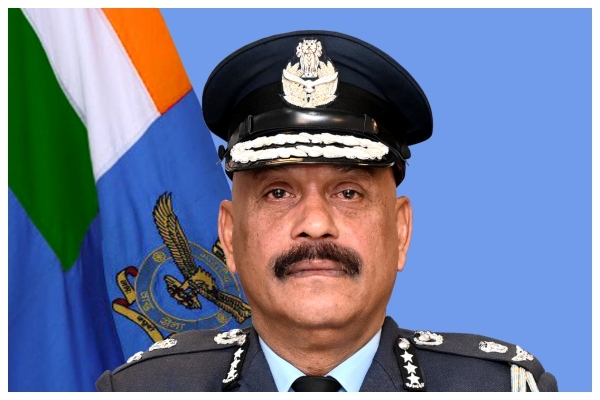
His most prominent recent association is with Operation Sindoor. As Western Air Command chief, he was in command when India's western air operations were conducted during the May 2025 military response following the Pahalgam terror attack.
The most striking part was his reaction. Mishra's first response to the appointment was strikingly restrained. Rather than treating the position as a prestigious retirement assignment, he expressed gratitude to Prabhu Ramchandra. He said, “Mai Shri Ram ka abhari hu” “I am grateful to Lord Ram.” He also prayed that Prabhu Ramchandra would give him the capability to shoulder the responsibility properly.
ALSO READ: Jadavpur: Where Red Is Commended & Saffron Is Condemned
There is an interesting continuity between his two assignments. The Western Air Command required discipline, planning, logistics, security and the ability to manage enormous responsibility under pressure. The Ram Mandir requires many of the same managerial qualities though in an entirely different setting.
Ayodhya is no longer merely a pilgrimage destination. The Ram Mandir has become one of India's most important religious and cultural institutions, with enormous numbers of devotees and increasingly complex administrative requirements. The Trust's decision to create its first dedicated CEO position can therefore be seen as an attempt to move from an essentially movement-era organisational structure towards a more professional institutional administration. The appointment followed a selection process that attracted more than 5,500 applications, with a three-member search committee shortlisting candidates before Mishra's selection. And Mishra brings an unusual credibility to that transition.
He comes to Ayodhya not as a politician, not as a career bureaucrat, but as a soldier who has spent four decades operating within a demanding institution where responsibility cannot be outsourced. The man who helped command India's response to Pakistan during Operation Sindoor now takes charge of an institution at the heart of India's civilisational resurgence. His appointment comes at a time when the Trust is restructuring its administration.
Alongside Mishra, three new trustees have been appointed, including Dr Nirmala Yadav, Madan Mohan Pandey and Mahesh Bhagchandka.