`Mandar of Jharkhand’ gets GI tag, giving traditional tribal instrument a new identity
GI recognition was a tribute to the ancestors and the soil of Jharkhand
Total Views |


For generations, the sound of the Mandar has been closely connected with the folk traditions, tribal celebrations and cultural life of Jharkhand. Now, this traditional musical instrument has received a new identity on the national stage after being granted the Geographical Indication (GI) tag.
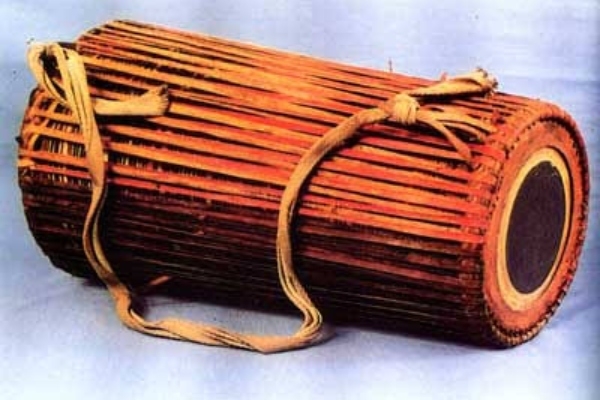
The ‘Mandar of Jharkhand’ has been officially recognised by the Geographical Indications Registry of the Government of India, headquartered in Chennai. The recognition gives the traditional instrument legal protection and formally links its identity to the cultural and geographical heritage of Jharkhand.
For the communities that have preserved the Mandar through generations, the recognition is more than a certification. It places an important part of Jharkhand’s traditional craftsmanship within India’s protected geographical heritage.
A traditional instrument shaped by the soil
The Mandar is deeply rooted in the folk and tribal culture of Jharkhand. Its distinctive sound has traditionally accompanied cultural programmes, festivals, celebrations and community gatherings across the state.
Unlike mass-produced musical instruments, the traditional Mandar is made using indigenous techniques and locally available materials. One of the important features highlighted in the GI application was the use of locally sourced red clay in its traditional craftsmanship.
झारखंड की सांस्कृतिक विरासत को नई पहचान!
— Jharkhand Tourism (@VisitJharkhand) September 29, 2026
पारंपरिक वाद्ययंत्र ‘मांदर’ को GI Tag मिलना हमारी लोक परंपराओं और पीढ़ियों पुरानी कारीगरी के लिए गौरव का क्षण है।
मांदर की थाप अब दुनिया सुनेगी।#Mandar #GITag@HemantSorenJMM pic.twitter.com/tKtjLZ3sFa
The methods used by artisans to prepare the instrument have been passed down through generations. The combination of traditional manufacturing practices, local material and its distinctive sound forms an important part of the Mandar’s identity.
The GI recognition formally acknowledges these characteristics and connects the instrument with the region from which its traditional form has emerged.
Application filed in 2021
The application for the GI tag for the Mandar was filed on September 24, 2021. The application highlighted the instrument’s traditional craftsmanship, use of locally sourced red clay, indigenous manufacturing techniques and distinctive sound.
A Geographical Indication tag is used for products that have a specific geographical origin and possess qualities, reputation or characteristics associated with that location. For traditional products, such recognition can help protect their regional identity and distinguish them from similar products made elsewhere.
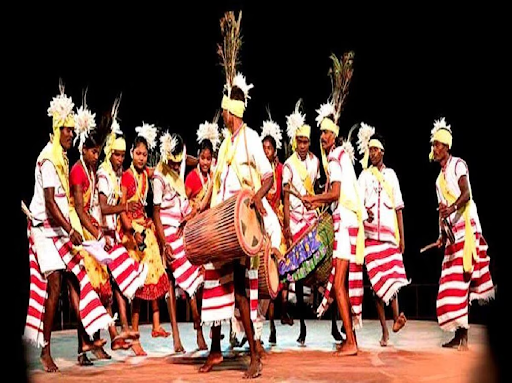
Recognition for traditional artisans
The GI tag is also expected to provide greater recognition to the artisans who continue to make Mandars using traditional methods.
With an officially recognised geographical identity, products made by traditional Mandar artisans can have a stronger foundation for reaching wider domestic and international markets. The recognition may also help create greater awareness about the craftsmanship involved in making the instrument and the cultural traditions associated with it.
For artisans, whose work is closely connected with local traditions, such recognition can help preserve the knowledge and techniques passed from one generation to another.
A tribute to Jharkhand’s heritage
‘Mandar Samrat’ Manpuran Nayak described the instrument as an integral part of Jharkhand’s cultural heritage. He said that the GI recognition was a tribute to the ancestors and the soil of Jharkhand.
The recognition therefore brings together two aspects of the Mandar’s journey the hands of the artisans who make it and the communities that have kept its sound alive.
From village celebrations and tribal traditions to an official GI registry, the Mandar now carries a formally recognised identity that is closely tied to Jharkhand.