Skin Tone Vs Skin Fairness: What Modern Dermatology Can Actually Improve
Total Views |


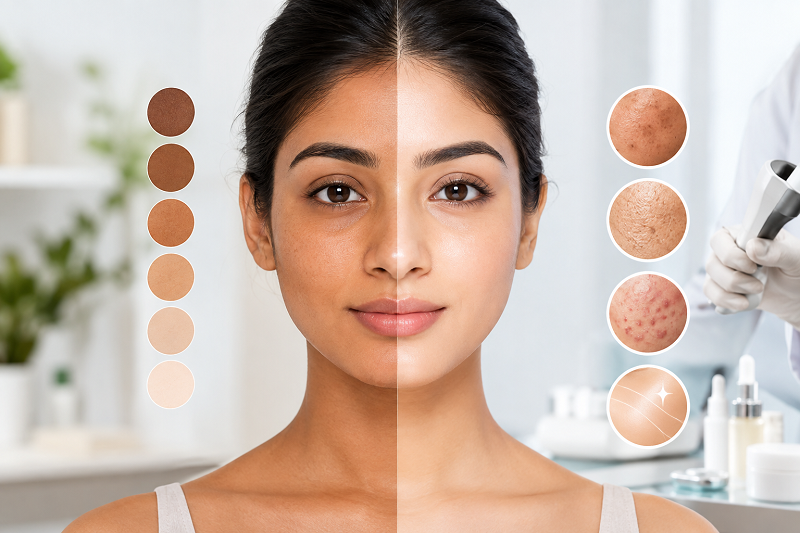
For decades, "fairness" was sold as a beauty outcome, with creams promising lighter skin within weeks. Advertisements linked fair skin to confidence and success, and very little of that had anything to do with medical science. Most people searching for a skin fairness treatment today are not actually asking for a shade change; they are asking to fix specific, visible unevenness.
Modern cosmetic dermatology looks at skin tone differently. It does not treat melanin as a problem to erase. It treats specific, diagnosable conditions such as uneven pigmentation, dark spots, and post-acne marks, using in-clinic procedures that are studied, measured, and repeatable.
Why "Fairness" Was Never a Medical Goal
Most people who search for a skin fairness treatment aren't reacting to their baseline skin tone at all. Melanin is what gives skin its natural tone, and healthy skin comes in every shade, so there is no dermatological reason to reduce melanin production across the board in someone with no underlying condition. What they are usually reacting to is patchiness: melasma, sun spots, or dark marks left behind after acne or an injury.
These are treatable conditions with names, causes, and evidence-based protocols behind them.
What Aesthetic Medicine Can Genuinely Treat
Melasma and post-inflammatory hyperpigmentation, or PIH, are the two most common reasons people walk into a cosmetic dermatology clinic for uneven skin tone. Research published in the Journal of the American Academy of Dermatology notes that PIH follows various skin conditions, external triggers, and dermatologic procedures, and that its course is chronic and unpredictable. Pigmentation in the upper layers of skin tends to resolve more easily than pigmentation deeper in the skin.
That is a very different framing from "getting fair skin." It is about correcting a specific, visible imbalance, and this is where in-clinic aesthetic procedures do the real work. Q-switch laser toning targets excess pigment directly, breaking it down layer by layer without damaging surrounding skin. Customized chemical peels accelerate cell turnover and fade surface-level dark patches over a series of sessions, and medi-facials support the skin barrier so results hold between procedures.
A 2023 review in the Journal of Drugs in Dermatology found that combining procedures such as peels and lasers with supportive topical care produces better outcomes than either approach alone, particularly for melasma and PIH. Sun protection plays a supporting role too, and a study in the Indian Journal of Dermatology reviewed evidence showing that broad-spectrum sunscreen, covering UVA, UVB, and visible light, helps stabilize and improve both melasma and PIH, particularly in skin of color.
None of this is about achieving a lighter shade of skin. It is about restoring even tone in the specific areas where pigmentation has become irregular, through procedures a trained dermatologist actually monitors.
Where Skin Fairness Products Go Wrong
The bigger safety concern lies with unregulated skin-lightening products sold outside clinical settings. The U.S. FDA has warned that over-the-counter skin-lightening products can contain high levels of mercury or hydroquinone, both of which carry serious risks, including kidney damage, neurological effects, and permanent skin discoloration known as ochronosis. The agency also notes that no FDA-approved over-the-counter skin-lightening products exist.
This is the practical difference between chasing "fairness" and getting proper aesthetic dermatology care. A clinic evaluates the skin, identifies the actual condition, and builds a procedure-led plan that a dermatologist monitors session to session. An unregulated cream promises a shortcut and can quietly cause lasting harm.
What to Expect From a Real Consultation?
A proper consultation for pigmentation concerns starts with identifying the cause, not reaching for a generic lightening product. Melasma, PIH, sun damage, and hormonal pigmentation all look similar to the naked eye but respond to different combinations of lasers, peels, and in-clinic care. Getting this diagnosis right is the difference between visible improvement and months of wasted effort on the wrong product.
For anyone in Bangalore weighing where to start, choosing among the best skin clinic in Bangalore options usually comes down to whether the clinic offers an actual diagnosis before treatment, uses US FDA-approved technology and tested protocols rather than unverified lightening agents, and can explain why a particular laser or peel fits your skin. Kosmoderma, a Bangalore-founded chain built around science-backed cosmetic dermatology, is one example of a clinic structured around that diagnostic-first approach.
The Real Shift
The conversation around skin, much like broader lifestyle and wellness conversations in India, is slowly moving away from fairness as a goal and toward skin health as the actual metric. That shift matters. It replaces a vague, socially loaded promise with something a dermatologist can actually measure, treat, and follow up on.
If there is one thing modern dermatology can improve, it is not how fair your skin looks. It is how even, healthy, and well cared for it actually is.