The Philosophy of Poverty, The Poverty of Philosophy & The Politics of Poverty
Total Views |


Poverty has never been merely an economic condition. It has also been an intellectual problem and, increasingly, a political instrument. The distinction matters because the way a society thinks about poverty eventually shapes the way it seeks to deal with it.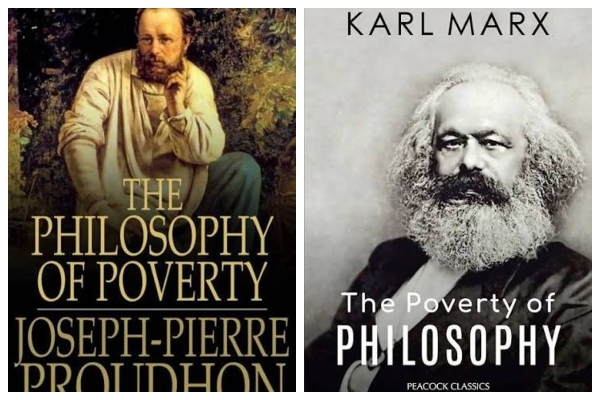
But politics eventually produced a third formulation - the politics of poverty.
Here the question changes fundamentally. Poverty is no longer only something to understand or explain. It becomes something to organise around, mobilise voters around and, sometimes, perpetuate politically.
India provides an extraordinary case study of this transformation. For decades after Independence, poverty occupied the centre of the political imagination. The vocabulary of Indian politics was saturated with deprivation: the poor, the landless, the worker, the village, the hungry and the marginalised. The slogan “Garibi Hatao” captured the political power of this vocabulary. Poverty became both a national challenge and an electoral constituency.
There was, of course, nothing inherently wrong with placing the poor at the centre of public policy. A democracy has a moral obligation to protect those with the least economic power. Welfare, redistribution and social security are legitimate functions of a modern state.
The problem begins when the poor cease to be citizens to be empowered and become constituencies to be permanently managed. That is where the politics of poverty becomes intellectually and politically dangerous. A political system can become accustomed to treating poverty not as a temporary condition to be overcome but as a permanent constituency to be represented. The distinction is subtle but profound. The first approach asks - How do we make people economically independent? The second asks - How do we retain their political dependence?
The difference between the two is the difference between empowerment and patronage.
India’s contemporary economic transformation has begun to challenge this older political grammar. The expansion of infrastructure, financial inclusion, digital payments, direct benefit transfers, housing, sanitation, electricity, roads, cooking fuel and other forms of state delivery has altered the relationship between the citizen and the state. Welfare is increasingly capable of reaching an individual directly rather than passing through layers of political mediation.
This creates an uncomfortable question for the traditional politics of poverty: what happens when the beneficiary begins to see himself not as an object of political charity but as a citizen with an entitlement? That is perhaps the most significant political transformation underway.
The poor do not necessarily want poverty romanticised. They do not want to remain permanently poor so that politicians can continue speaking on their behalf. They want roads, houses, jobs, education, healthcare, connectivity, dignity and opportunity. They want upward mobility. This is why the politics of poverty can eventually become self-defeating. Once aspirations rise, merely distributing benefits is no longer sufficient. The citizen begins asking a more demanding question: What next?
The old political vocabulary was built around scarcity. The new India increasingly speaks the language of aspiration. This does not mean poverty has disappeared. India still has deep inequalities, vulnerable households and enormous differences in opportunity. Nor does economic growth automatically guarantee social justice. The point is different - poverty can no longer be treated as India's permanent political identity.
And this is where the old philosophical debate acquires a contemporary relevance.
Proudhon asked us to think about the contradictions of poverty. Marx sought to explain those contradictions through class and historical materialism. Modern politics has sometimes discovered something else: that poverty itself can become politically productive.
The challenge before a democratic state, therefore, is not simply to administer poverty more efficiently. It is to create conditions in which poverty steadily loses its economic and political permanence. A mature welfare state should ideally make itself less necessary as a political intermediary. Its greatest success would be to create citizens who need less patronage, possess greater economic independence and demand more from the state than subsidies.
That would represent a profound change in the politics of poverty. For decades, political success could be measured by how effectively a party spoke for the poor. The more ambitious measure is different - how many people can move beyond poverty because of the policies of the state?
That is the real philosophical shift from representing poverty to reducing it; from managing deprivation to expanding capability; from treating the poor as a political category to recognising them as citizens with aspirations.
The ultimate victory over poverty, therefore, will not be when politicians become better at speaking about the poor. It will be when fewer citizens need politicians to speak for them at all.
The Philosophy of Poverty produced questions. The Poverty of Philosophy produced ideological answers. The politics of poverty turned those answers into electoral capital. The task of contemporary India is to move beyond all three to a politics in which poverty is not a permanent constituency, but a condition that democracy steadily makes obsolete.
Nearly two centuries ago, the French thinker Pierre-Joseph Proudhon gave the question an explicitly philosophical treatment in The Philosophy of Poverty, published in 1846. Proudhon examined the contradictions of economic life, property, labour and inequality and sought to understand why an economic order capable of producing wealth also produced deprivation. Poverty, in this sense, was not simply a statistic. It was a contradiction demanding an explanation.
Karl Marx was unimpressed. In 1847, he responded with The Poverty of Philosophy, deliberately turning Proudhon’s title upside down. Marx argued that Proudhon’s analysis lacked a proper understanding of the historical and material forces driving economic relations. For Marx, poverty was inseparable from class relations and the structure of capitalism. The disagreement between the two was not merely semantic. It represented two competing ways of understanding economic injustice.
Here the question changes fundamentally. Poverty is no longer only something to understand or explain. It becomes something to organise around, mobilise voters around and, sometimes, perpetuate politically.
ALSO READ: Jadavpur: Where Red Is Commended & Saffron Is Condemned
There was, of course, nothing inherently wrong with placing the poor at the centre of public policy. A democracy has a moral obligation to protect those with the least economic power. Welfare, redistribution and social security are legitimate functions of a modern state.
The problem begins when the poor cease to be citizens to be empowered and become constituencies to be permanently managed. That is where the politics of poverty becomes intellectually and politically dangerous. A political system can become accustomed to treating poverty not as a temporary condition to be overcome but as a permanent constituency to be represented. The distinction is subtle but profound. The first approach asks - How do we make people economically independent? The second asks - How do we retain their political dependence?
The difference between the two is the difference between empowerment and patronage.
India’s contemporary economic transformation has begun to challenge this older political grammar. The expansion of infrastructure, financial inclusion, digital payments, direct benefit transfers, housing, sanitation, electricity, roads, cooking fuel and other forms of state delivery has altered the relationship between the citizen and the state. Welfare is increasingly capable of reaching an individual directly rather than passing through layers of political mediation.
This creates an uncomfortable question for the traditional politics of poverty: what happens when the beneficiary begins to see himself not as an object of political charity but as a citizen with an entitlement? That is perhaps the most significant political transformation underway.
ALSO READ: Disha Salian Case Puts Thackerays on Saline
The old political vocabulary was built around scarcity. The new India increasingly speaks the language of aspiration. This does not mean poverty has disappeared. India still has deep inequalities, vulnerable households and enormous differences in opportunity. Nor does economic growth automatically guarantee social justice. The point is different - poverty can no longer be treated as India's permanent political identity.
And this is where the old philosophical debate acquires a contemporary relevance.
Proudhon asked us to think about the contradictions of poverty. Marx sought to explain those contradictions through class and historical materialism. Modern politics has sometimes discovered something else: that poverty itself can become politically productive.
The challenge before a democratic state, therefore, is not simply to administer poverty more efficiently. It is to create conditions in which poverty steadily loses its economic and political permanence. A mature welfare state should ideally make itself less necessary as a political intermediary. Its greatest success would be to create citizens who need less patronage, possess greater economic independence and demand more from the state than subsidies.
ALSO READ: Sonam Wangchuk Blames Congress for India’s Education Woes
That is the real philosophical shift from representing poverty to reducing it; from managing deprivation to expanding capability; from treating the poor as a political category to recognising them as citizens with aspirations.
The ultimate victory over poverty, therefore, will not be when politicians become better at speaking about the poor. It will be when fewer citizens need politicians to speak for them at all.
The Philosophy of Poverty produced questions. The Poverty of Philosophy produced ideological answers. The politics of poverty turned those answers into electoral capital. The task of contemporary India is to move beyond all three to a politics in which poverty is not a permanent constituency, but a condition that democracy steadily makes obsolete.