CJP Founder Faces Backlash Over False Claim About Ram Temple Trust CEO
Total Views |


New Delhi , September 8: Cockroach Janta Party (CJP) founder Abhijeet Dipke has faced criticism after sharing a video on social media that falsely claimed to show retired Air Marshal Jeetendra Mishra, the first CEO of the Shri Ram Janmabhoomi Teerth Kshetra Trust, dancing to Bobby Deol’s popular song Jamal Kudu.
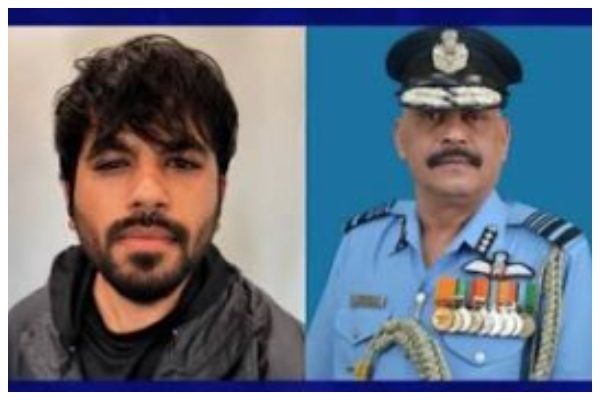 On his first visit to Ayodhya as CEO, Mishra said that the responsibility of the Ram Temple had now come onto his shoulders. He said his initial visit was aimed at understanding the temple's functioning and that plans would be formulated gradually after gaining a better understanding of its operations.
Dipke shared the video on X while commenting on a post and used it to question what he described as the “hypocrisy” in judging people's personal choices based on their position or identity.
ALSO READ: Disha Salian Death Case: Lawyer Claims 13 Murders, Hands Alleged Proposal to CBI
However, it was later pointed out that the man seen in the video was not Jeetendra Mishra. The original post that Dipke had quoted was subsequently deleted.
Following the controversy, Dipke issued a clarification on X. He said that he had been informed that the person in the video was not Mishra.
Dipke maintained that his intention was not to question anyone's personal choices. Instead, he said his point was about what he described as different standards used to judge people depending on who they are.
The clarification, however, did not end the controversy. A section of X users criticised the CJP founder for sharing the video without verifying the identity of the person shown in it.
The controversy comes shortly after retired Air Marshal Jeetendra Mishra was appointed as the first CEO of the Shri Ram Janmabhoomi Teerth Kshetra Trust on September 2. The Trust oversees the management and operations of the Ram Temple in Ayodhya.
ALSO READ: Bombay HC Rejects Rahul Gandhi Plea to Quash Modi Defamation Case
Mishra, 62, is from Uttar Pradesh's Deoria district and served in the Indian Air Force. During his military career, he received several decorations, including the Yudh Seva Medal. He also headed the Western Air Command during Operation Sindoor in May last year.