CAG report flags fraudulent payment under student scholarship scheme in Odisha
The CAG observed fraudulent payment in Post-Matric Scholarships (PMS) and the Medhabruti scheme implemented by two different departments of the Odisha government in its report tabled in the Assembly.
Total Views |


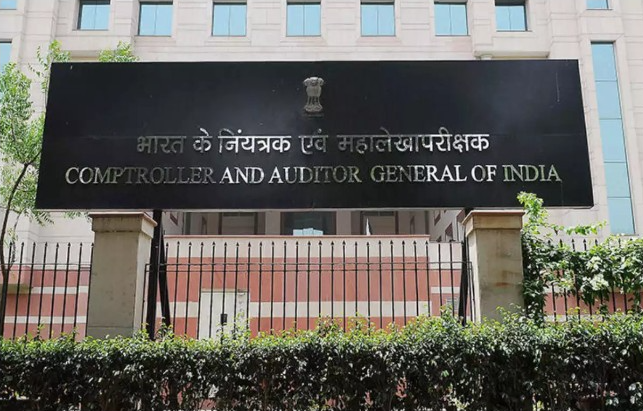
Following large-scale irregularities in Maharashtra, Haryana, Tamil Nadu, Karnataka, and Punjab, the Comptroller and Auditor General of India (CAG) observed fraudulent payment in Post-Matric Scholarships (PMS) and the Medhabruti scheme implemented by two different departments of the Odisha government in its report tabled in the Assembly.
>> During 2016-20, 5,185 beneficiaries from 15 ineligible universities were given PMS of Rs 15.79 crore due to a lack of a comprehensive protocol for inspections of institutions by District Welfare Officers (DWOs) before to the issuance of User IDs for the scholarship site.
>> During 2017-21, 2,996 students from 22 selected institutes in six sampled districts received PMS totalling Rs 7.36 crore, even after dropping out of their courses.
>> One institute applied for scholarships on behalf of discontinued students and was successful in having Rs 2.36 crore in scholarship funds credited to the students' bank accounts and then transferred to the institute's bank account via suspected fraudulent means.
In its amended rules announced in May 2018, the Ministry of Social Justice and Empowerment made inspection of private educational establishments by officers chosen by district collectors mandatory. The CAG, on the other hand, noted that there was no provision for inspecting private educational institutions in order to sanction PMS, and that eight of the 16 institutes verified during the joint verification, affiliated with the National Council of Vocational Research and Training (NCVRT) and Bharat Sevak Samaj (BSS), were non-existent.
>>Except in two cases, details of any inspections conducted by the concerned DWO of Mayurbhanj, as well as inspection reports, were not accessible.
>> Details of teaching personnel and hostel records were not provided to Audit in order to determine if the institutes were operational.
The CAG also discovered that the kids had received the PMS even if they had dropped out of school. Based on an examination of the PRERANA and OSSP databases, as well as payment files submitted by the SSD Department, DWOs of the eight test-checked districts, and 69 sampled institutions, it was discovered that 2,996 students from 22 sampled institutes in six sample districts dropped out of their classes between 2017 and 21. Those students, however, were paid PMS totaling Rs. 7.36 crore even after they dropped out of the courses.
Sakuntala Sudharsan Institute of Technology (SSIT) in Mayurbhanj district offered three-year diploma programmes to 1,369 students from 2016 to 20.
The audit examined the semester results of the 2016-19 and 2017-20 batches and discovered that 138 and 142 students, respectively, had not passed their final exams and had dropped out of school. They were, however, paid PMS in the sum of Rs 2.36 crore.
According to the examination of the PRERANA database, Rs 14.17 crore was issued against applications reportedly filed by 69 candidates from 14 institutes in three districts. Their identities, however, were not located in the records, and the administrators certified that no such kids were registered in their schools.
"During the period 2018-21, 52 beneficiaries from 11 institutes were paid Rs 10.07 lakh, but they were not registered on the PRERANA portal."There was no explanation from the Department/DWO for this critical omission. In the case of the other 17 beneficiaries from six colleges, it was discovered that, despite being all registered on the PRERANA site, only the data of six students were submitted to the DWO, and a payment of Rs 2.31 lakh was made.The colleges did not transmit the applications of the remaining 11 students to the DWOs, but they were paid Rs 1.79 lakh. As a result, there was a major absence of checks and balances at the DWO and Department levels, resulting in irregular payments."
>> The institutes' administrators had used students' papers to siphon off scholarship funds.
>> The DWOs and the Department did not exercise due diligence in disbursing the Rs 14.17 lakh PMS money since it was done without ensuring student registration on the PRERANA portal and in the relevant institutes.
The CAG also discovered that 11,880 students were given both PMS (Rs 6.91 crore) and Medhabruti (Rs 6.80 crore) scholarships from 2017 to 2021, in violation of both scholarship programs' requirements, and ascribed this to non-interlinking of softwares used by the schemes.
Although 56 nursing students from Jharsuguda, Kalahandi, and Mayurbhanj districts earned National Health Mission scholarships totaling Rs 32.97 lakh between 2018-21, they also received PMS of Rs 35.18 lakh during the same year.
Similarly, due to a lack of validation procedures in PRERANA software, 1,668 students who followed various courses at the same level in four studied districts were allocated PMS totaling Rs 3.71 million between 2017-20.
It has advised the state administration to examine alleged fraud in the payment of PMS in all districts in order to hold the responsible authorities accountable.The SC/ST development department, the PMS's implementing agency, has also been instructed to draft specific rules for inspecting institutes before they are registered on the program site.
THE FINDINGS
>> During 2016-20, 5,185 beneficiaries from 15 ineligible universities were given PMS of Rs 15.79 crore due to a lack of a comprehensive protocol for inspections of institutions by District Welfare Officers (DWOs) before to the issuance of User IDs for the scholarship site.
>> During 2017-21, 2,996 students from 22 selected institutes in six sampled districts received PMS totalling Rs 7.36 crore, even after dropping out of their courses.
>> One institute applied for scholarships on behalf of discontinued students and was successful in having Rs 2.36 crore in scholarship funds credited to the students' bank accounts and then transferred to the institute's bank account via suspected fraudulent means.
In its amended rules announced in May 2018, the Ministry of Social Justice and Empowerment made inspection of private educational establishments by officers chosen by district collectors mandatory. The CAG, on the other hand, noted that there was no provision for inspecting private educational institutions in order to sanction PMS, and that eight of the 16 institutes verified during the joint verification, affiliated with the National Council of Vocational Research and Training (NCVRT) and Bharat Sevak Samaj (BSS), were non-existent.
>>Except in two cases, details of any inspections conducted by the concerned DWO of Mayurbhanj, as well as inspection reports, were not accessible.
>> The other eight institutes in Mayurbhanj district ceased operations in 2020 after the DWO rejected their petitions on the orders of the SSD Department. However, 29 students from seven of these colleges have got PMS totalling Rs 7.13 lakh during 2017-18 and 2018-19.
>> It was discovered that these 29 students had received PMS totalling Rs 4.71 lakh from various colleges.It also highlighted one institute in Mayurbhanj that was operating without physical infrastructure (classrooms, workshops, staff rooms, etc.) and was instead borrowing from a neighbouring institute.
>> The infrastructure at the district's other seven institutes was determined to be insufficient in proportion to the number of students accepted. For example, in one institute, there was only one classroom for 792 students, and there was no workshop for students.
>> Furthermore, it was discovered that 288 beneficiaries from the ITET Vocational Training Centre were given PMS at the rate applicable to hostellers, despite the fact that the institute did not have a hostel.
STUDIES ARE DISCONTINUED
The CAG also discovered that the kids had received the PMS even if they had dropped out of school. Based on an examination of the PRERANA and OSSP databases, as well as payment files submitted by the SSD Department, DWOs of the eight test-checked districts, and 69 sampled institutions, it was discovered that 2,996 students from 22 sampled institutes in six sample districts dropped out of their classes between 2017 and 21. Those students, however, were paid PMS totaling Rs. 7.36 crore even after they dropped out of the courses.
Sakuntala Sudharsan Institute of Technology (SSIT) in Mayurbhanj district offered three-year diploma programmes to 1,369 students from 2016 to 20.
The audit examined the semester results of the 2016-19 and 2017-20 batches and discovered that 138 and 142 students, respectively, had not passed their final exams and had dropped out of school. They were, however, paid PMS in the sum of Rs 2.36 crore.
STUDENTS WHO DO NOT EXIST
According to the examination of the PRERANA database, Rs 14.17 crore was issued against applications reportedly filed by 69 candidates from 14 institutes in three districts. Their identities, however, were not located in the records, and the administrators certified that no such kids were registered in their schools.
"During the period 2018-21, 52 beneficiaries from 11 institutes were paid Rs 10.07 lakh, but they were not registered on the PRERANA portal."There was no explanation from the Department/DWO for this critical omission. In the case of the other 17 beneficiaries from six colleges, it was discovered that, despite being all registered on the PRERANA site, only the data of six students were submitted to the DWO, and a payment of Rs 2.31 lakh was made.The colleges did not transmit the applications of the remaining 11 students to the DWOs, but they were paid Rs 1.79 lakh. As a result, there was a major absence of checks and balances at the DWO and Department levels, resulting in irregular payments."
>> The institutes' administrators had used students' papers to siphon off scholarship funds.
>> The DWOs and the Department did not exercise due diligence in disbursing the Rs 14.17 lakh PMS money since it was done without ensuring student registration on the PRERANA portal and in the relevant institutes.
The CAG also discovered that 11,880 students were given both PMS (Rs 6.91 crore) and Medhabruti (Rs 6.80 crore) scholarships from 2017 to 2021, in violation of both scholarship programs' requirements, and ascribed this to non-interlinking of softwares used by the schemes.
Although 56 nursing students from Jharsuguda, Kalahandi, and Mayurbhanj districts earned National Health Mission scholarships totaling Rs 32.97 lakh between 2018-21, they also received PMS of Rs 35.18 lakh during the same year.
Similarly, due to a lack of validation procedures in PRERANA software, 1,668 students who followed various courses at the same level in four studied districts were allocated PMS totaling Rs 3.71 million between 2017-20.
It has advised the state administration to examine alleged fraud in the payment of PMS in all districts in order to hold the responsible authorities accountable.The SC/ST development department, the PMS's implementing agency, has also been instructed to draft specific rules for inspecting institutes before they are registered on the program site.