Decoding Dhurandhar: Layers, Symbols, and the Craft Behind the Scenes
21 Dec 2025 22:14:10
- Cheerag
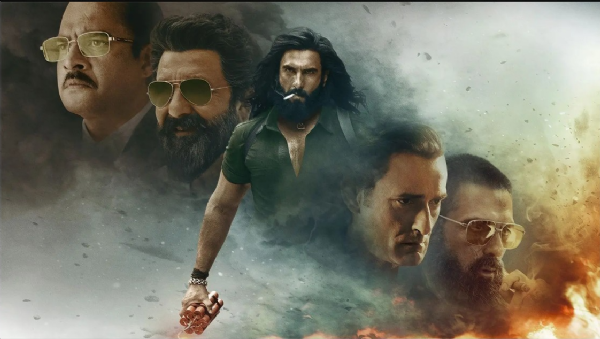
Director Aditya Dhar follows a storytelling style similar to URI, with chapter-wise progression and constant shifts between timelines and characters. The difference lies in the heightened suspense, which keeps the viewer guessing at every turn. Handling such a star-studded cast is never easy, yet Dhar succeeds in extracting their peak performances. Every actor remains true to their character, contributing meaningfully without overpowering the story. Each role is given space to shine while consistently serving the story. Credit is equally due to the actors for delivering with restraint and conviction.
Performance-wise, Dhurandhar marks a powerful resurgence for several actors or say almost all actors. Ranveer Singh and Sanjay Dutt deliver commanding performances that feel essential to their careers at this stage. Arjun Rampal’s presence is refreshing and much missed on the big screen. R Madhavan once again proves his mastery by subtly breaking the fourth wall, something he has done effectively in films like 13B, Shaitaan, and 3 Idiots. In Dhurandhar, he delivers yet another dependable and impactful performance. But, it is THE Akshaye Khanna who steals the show here, especially with the Arabic song. He commands every frame with remarkable precision and control. Special mention must be made of Gaurav Gera, whose makeover is so convincing that it takes a few scenes to even recognise him, and of Rakesh Bedi, who leaves a strong impact in his limited screen time. For this, Casting director Mukesh Chhabra deserves special praise for assembling a team that never falters. Dialogues are sharp and effective, and the effort put into accents reflects the attention paid to even the smallest details.
Music stands out as one of the film’s strongest pillars, with Shashwat Sachdev delivering a score that stays true to the movie’s emotional and thematic core. Also, the background score maintains tension throughout and remains consistently engaging, blending seamlessly into the story and making it feel authentic and lived-in. The idea of the retro songs is something that stands out compared to the other movies. And moreover, they are placed thoughtfully, adding both groove and edge to the story as well as the characters. Each track enhances character introductions and helps build a lasting cognitive memory for the audience. Ranveer Singh’s entry, in particular, stands out. There is no hype and no background score, just a man entering the city. This understated moment reflects the film’s commitment to micro-level character development.
The cinematography worked effectively, especially in wide-angle shots that captured Pakistan’s landscapes with striking beauty. The slow-motion action scenes and well-choreographed combat sequences elevate the film’s intensity. However, a few CGI moments stood out for the wrong reasons and could have been better, as it was even noticeable to younger viewers. This is an area where the team could have pushed further, as the action was the backbone of the film.
One of the film’s most striking moments comes with the use of a red screen during a crucial scene where Ranveer’s character appears shell-shocked and emotionally broken after realising the gravity of his actions. This creative choice disrupts the visual rhythm and drives the viewer into the pain, anger, and trauma associated with the 26/11 Mumbai terror attack. The director and editor handle this moment with sensitivity and precision, making it one of the most poignant sequences in the film.
On the other hand, the love story, however, feels slightly overstretched and could have been shortened. That said, with a second part on the way, it remains unclear whether this part is being deliberately held back for further development. Given Ranveer’s limited screen time and dialogue in this installment, the setup suggests a more prominent role for him in the sequel.
The final imagery of Rehman Dakait seated on a stretcher after his death powerfully echoes the essence of Et tu, Brute. Just as Brutus is shaken after seeing Caesar, Maqbool is left confronting the weight of betrayal and loss. It is a haunting parallel that lingers long after the film ends and even to Hamza.
.
.
.
.
From a Bhagavad Gita shloka to Shakespeare’s Et tu, Brute, Dhurandhar tells its story that makes the viewer feel like a participant rather than just an audience. It unfolds through a deeply engaging lens where every character feels relatable.
Director Aditya Dhar follows a storytelling style similar to URI, with chapter-wise progression and constant shifts between timelines and characters. The difference lies in the heightened suspense, which keeps the viewer guessing at every turn. Handling such a star-studded cast is never easy, yet Dhar succeeds in extracting their peak performances. Every actor remains true to their character, contributing meaningfully without overpowering the story. Each role is given space to shine while consistently serving the story. Credit is equally due to the actors for delivering with restraint and conviction.
Performance-wise, Dhurandhar marks a powerful resurgence for several actors or say almost all actors. Ranveer Singh and Sanjay Dutt deliver commanding performances that feel essential to their careers at this stage. Arjun Rampal’s presence is refreshing and much missed on the big screen. R Madhavan once again proves his mastery by subtly breaking the fourth wall, something he has done effectively in films like 13B, Shaitaan, and 3 Idiots. In Dhurandhar, he delivers yet another dependable and impactful performance. But, it is THE Akshaye Khanna who steals the show here, especially with the Arabic song. He commands every frame with remarkable precision and control. Special mention must be made of Gaurav Gera, whose makeover is so convincing that it takes a few scenes to even recognise him, and of Rakesh Bedi, who leaves a strong impact in his limited screen time. For this, Casting director Mukesh Chhabra deserves special praise for assembling a team that never falters. Dialogues are sharp and effective, and the effort put into accents reflects the attention paid to even the smallest details.
Music stands out as one of the film’s strongest pillars, with Shashwat Sachdev delivering a score that stays true to the movie’s emotional and thematic core. Also, the background score maintains tension throughout and remains consistently engaging, blending seamlessly into the story and making it feel authentic and lived-in. The idea of the retro songs is something that stands out compared to the other movies. And moreover, they are placed thoughtfully, adding both groove and edge to the story as well as the characters. Each track enhances character introductions and helps build a lasting cognitive memory for the audience. Ranveer Singh’s entry, in particular, stands out. There is no hype and no background score, just a man entering the city. This understated moment reflects the film’s commitment to micro-level character development.
The cinematography worked effectively, especially in wide-angle shots that captured Pakistan’s landscapes with striking beauty. The slow-motion action scenes and well-choreographed combat sequences elevate the film’s intensity. However, a few CGI moments stood out for the wrong reasons and could have been better, as it was even noticeable to younger viewers. This is an area where the team could have pushed further, as the action was the backbone of the film.
One of the film’s most striking moments comes with the use of a red screen during a crucial scene where Ranveer’s character appears shell-shocked and emotionally broken after realising the gravity of his actions. This creative choice disrupts the visual rhythm and drives the viewer into the pain, anger, and trauma associated with the 26/11 Mumbai terror attack. The director and editor handle this moment with sensitivity and precision, making it one of the most poignant sequences in the film.
On the other hand, the love story, however, feels slightly overstretched and could have been shortened. That said, with a second part on the way, it remains unclear whether this part is being deliberately held back for further development. Given Ranveer’s limited screen time and dialogue in this installment, the setup suggests a more prominent role for him in the sequel.
The final imagery of Rehman Dakait seated on a stretcher after his death powerfully echoes the essence of Et tu, Brute. Just as Brutus is shaken after seeing Caesar, Maqbool is left confronting the weight of betrayal and loss. It is a haunting parallel that lingers long after the film ends and even to Hamza.
The author is a cinema enthusiast with a deep interest across various genres and languages. He has a strong understanding of storytelling, performance and craft.
.
.
.
.