Ganeshotsav, a symbol of national unity
Total Views |


Ganesh Chaturthi, once a household ritual, became a symbol of social unity and national awakening through the vision of Lokmanya Bal Gangadhar Tilak. While the Peshwa period celebrated the deity within homes, Tilak transformed it into a public movement in 1893, giving the festival a larger purpose. In an era when the British banned political gatherings but tolerated religious events, Tilak used Ganeshotsav as a platform to instill the idea of Swaraj. His famous declaration — “Swaraj is my birthright, and I shall have it” — found resonance through the festival's songs, plays, and gatherings.
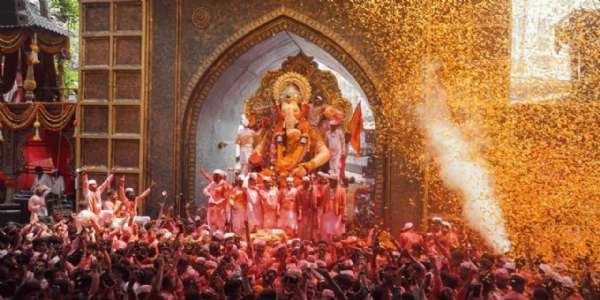
Tilak appealed to artisans, traders, and laboring communities alike — Sali, Mali, Rangari, Sutar, Sonar, Vani. The festival became an inclusive ground where all castes participated. Folk arts like powadas and melas carried nationalist messages, turning the celebrations into channels of political consciousness.
Equally important was the pioneering role of Shrimant Bhausaheb Rangari, who in 1892, even before Tilak, installed the first public idol of Ganapati in Pune — depicting the deity slaying a demon, symbolizing India’s fight against British oppression. His home became a hub for freedom fighters. Public mandals drew contributions from all, creating a shared sense of belonging. Even those denied temple entry could join in the street festivities, reinforcing Hindu unity in the colonial period.
Over time, Ganesh mandals embraced social responsibility. Relief for flood victims, aid during the COVID-19 crisis, educational help for students, campaigns against addiction, environmental awareness — the festival evolved into a movement of constructive service. Many villages practice the “One Village, One Ganapati” model, gathering diverse castes under a single roof of devotion and fellowship.
The festival preserves and honors traditional skills: the potter’s craft, the painter’s colors, the drummer’s rhythms, the priest’s chants. Arts like dhol-tasha and lezim now thrive on this platform, carried forward by youth. Traditional attire — dhoti-kurta, navvari sari — reinforces cultural pride amidst globalization.
The Youthful Energy
Today, the vigor of Ganeshotsav is carried by the youth. Enthusiastic dhol-tasha troupes, college students in cultural programs, and young volunteers in blood donation drives show that the festival is not trapped in ritual but constantly renewing itself with social relevance.
Ganeshotsav began as devotion at home, expanded into a political instrument of resistance, and matured into a global cultural festival. It embodies Bhakti, Seva, and Samajik Samata — devotion, service, and social harmony. Lokmanya Tilak’s intent of uniting society and awakening national consciousness remains alive.
In essence, Ganeshotsav is not just the festival of Maharashtra but the living symbol of Bharat’s unity in diversity — a people’s festival, a national festival, and a festival of eternal togetherness.
The Foundation of Inclusiveness
Tilak appealed to artisans, traders, and laboring communities alike — Sali, Mali, Rangari, Sutar, Sonar, Vani. The festival became an inclusive ground where all castes participated. Folk arts like powadas and melas carried nationalist messages, turning the celebrations into channels of political consciousness.
Equally important was the pioneering role of Shrimant Bhausaheb Rangari, who in 1892, even before Tilak, installed the first public idol of Ganapati in Pune — depicting the deity slaying a demon, symbolizing India’s fight against British oppression. His home became a hub for freedom fighters. Public mandals drew contributions from all, creating a shared sense of belonging. Even those denied temple entry could join in the street festivities, reinforcing Hindu unity in the colonial period.
Beyond Devotion: Service and Social Awareness
Over time, Ganesh mandals embraced social responsibility. Relief for flood victims, aid during the COVID-19 crisis, educational help for students, campaigns against addiction, environmental awareness — the festival evolved into a movement of constructive service. Many villages practice the “One Village, One Ganapati” model, gathering diverse castes under a single roof of devotion and fellowship.
Custodian of Cultural Heritage
The festival preserves and honors traditional skills: the potter’s craft, the painter’s colors, the drummer’s rhythms, the priest’s chants. Arts like dhol-tasha and lezim now thrive on this platform, carried forward by youth. Traditional attire — dhoti-kurta, navvari sari — reinforces cultural pride amidst globalization.
The Youthful Energy
Today, the vigor of Ganeshotsav is carried by the youth. Enthusiastic dhol-tasha troupes, college students in cultural programs, and young volunteers in blood donation drives show that the festival is not trapped in ritual but constantly renewing itself with social relevance.
The Eternal Message
Ganeshotsav began as devotion at home, expanded into a political instrument of resistance, and matured into a global cultural festival. It embodies Bhakti, Seva, and Samajik Samata — devotion, service, and social harmony. Lokmanya Tilak’s intent of uniting society and awakening national consciousness remains alive.
In essence, Ganeshotsav is not just the festival of Maharashtra but the living symbol of Bharat’s unity in diversity — a people’s festival, a national festival, and a festival of eternal togetherness.