Explained | How voting works in Maharashtra’s four-member wards
15 Jan 2026 11:51:39
-Rajesh Korde
Municipal corporation elections in most parts of Maharashtra—excluding Mumbai—are being conducted under a revised ward structure that allows voters to elect more than one corporator from a single ward. The system is in force across twenty-eight cities, including Pune, Thane, Navi Mumbai and Nashik, replacing the earlier single-member ward model.
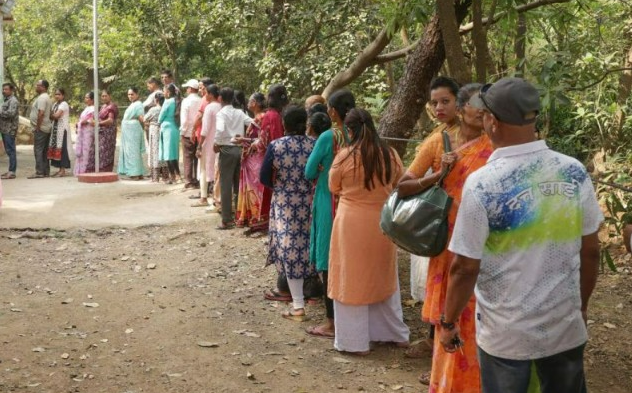
Under this arrangement, voters are required to cast three or four votes during one visit to the polling booth, depending on the number of seats in their ward. Polling will be held on January 15, and counting is scheduled for January 16. Below is a detailed explainer of the system and the voting procedure.
What is the four-member ward system?
In this format, each municipal ward elects four corporators instead of one. Municipal corporations are divided into such multi-member wards, each covering a larger population. The State Election Commission says the system has been introduced to ensure proportional representation in densely populated urban areas. As a result, every voter in a four-member ward is required to cast four separate votes—one for each seat.
Why was this system introduced?
According to election officials, the multi-member ward structure reduces the need to create a large number of small wards while still reflecting population size. It also allows voters to elect more than one representative from their locality. Because a higher number of candidates contest from each ward, Electronic Voting Machines are fitted with multiple ballot units where required.
How to vote in a four-member ward: Step-by-step process
Step 1: Activation of the EVM
After identity verification, the polling officer activates the Electronic Voting Machine. The voter enters the voting compartment once the machine is ready.
Step 2: Casting the first vote
The voter selects one candidate by pressing the button next to the candidate’s name on the first ballot unit. The vote is confirmed by a beep and a VVPAT slip.
Step 3: Casting the remaining votes
After the first vote is recorded, the EVM automatically prompts the voter to cast the second, third and fourth votes in sequence. Each vote must be cast separately and is confirmed individually through a beep and a VVPAT slip.
Step 4: Completion of voting
The voting process is completed only after all four votes are cast. The EVM does not finalise the vote if the sequence is left incomplete. Once the fourth vote is confirmed, the voter exits the polling booth.
Voters may choose all four candidates from the same political party, select candidates from different parties or Independents, or opt for NOTA for one or more votes.

Can a voter cast fewer than four votes?
No. In four-member wards, casting all four votes is mandatory. If a voter does not wish to support any candidate for a particular seat, they must select NOTA for that vote.
What role do polling officials play?
Polling officials are allowed to explain the voting procedure and inform voters about the number of votes they must cast. They are not permitted to influence voter choice or suggest any candidate or party. Election authorities expect voting to take longer during the early hours as voters familiarise themselves with the system.
Does this system apply to Mumbai?
No. Mumbai remains the only exception. Elections to the Brihanmumbai Municipal Corporation continue under the single-member ward system, where each ward elects one corporator and each voter casts a single vote. The city has 227 wards.
Do voters need to visit more than one polling booth?
No. Even in four-member wards, voters cast all their votes at the same booth during a single voting session. The system does not require multiple booths or repeat visits.
Municipal corporation elections in most parts of Maharashtra—excluding Mumbai—are being conducted under a revised ward structure that allows voters to elect more than one corporator from a single ward. The system is in force across twenty-eight cities, including Pune, Thane, Navi Mumbai and Nashik, replacing the earlier single-member ward model.
Under this arrangement, voters are required to cast three or four votes during one visit to the polling booth, depending on the number of seats in their ward. Polling will be held on January 15, and counting is scheduled for January 16. Below is a detailed explainer of the system and the voting procedure.
What is the four-member ward system?
In this format, each municipal ward elects four corporators instead of one. Municipal corporations are divided into such multi-member wards, each covering a larger population. The State Election Commission says the system has been introduced to ensure proportional representation in densely populated urban areas. As a result, every voter in a four-member ward is required to cast four separate votes—one for each seat.
Why was this system introduced?
According to election officials, the multi-member ward structure reduces the need to create a large number of small wards while still reflecting population size. It also allows voters to elect more than one representative from their locality. Because a higher number of candidates contest from each ward, Electronic Voting Machines are fitted with multiple ballot units where required.
How to vote in a four-member ward: Step-by-step process
Step 1: Activation of the EVM
After identity verification, the polling officer activates the Electronic Voting Machine. The voter enters the voting compartment once the machine is ready.
Step 2: Casting the first vote
The voter selects one candidate by pressing the button next to the candidate’s name on the first ballot unit. The vote is confirmed by a beep and a VVPAT slip.
Step 3: Casting the remaining votes
After the first vote is recorded, the EVM automatically prompts the voter to cast the second, third and fourth votes in sequence. Each vote must be cast separately and is confirmed individually through a beep and a VVPAT slip.
Step 4: Completion of voting
The voting process is completed only after all four votes are cast. The EVM does not finalise the vote if the sequence is left incomplete. Once the fourth vote is confirmed, the voter exits the polling booth.
Voters may choose all four candidates from the same political party, select candidates from different parties or Independents, or opt for NOTA for one or more votes.
Can a voter cast fewer than four votes?
No. In four-member wards, casting all four votes is mandatory. If a voter does not wish to support any candidate for a particular seat, they must select NOTA for that vote.
What role do polling officials play?
Polling officials are allowed to explain the voting procedure and inform voters about the number of votes they must cast. They are not permitted to influence voter choice or suggest any candidate or party. Election authorities expect voting to take longer during the early hours as voters familiarise themselves with the system.
Does this system apply to Mumbai?
No. Mumbai remains the only exception. Elections to the Brihanmumbai Municipal Corporation continue under the single-member ward system, where each ward elects one corporator and each voter casts a single vote. The city has 227 wards.
Do voters need to visit more than one polling booth?
No. Even in four-member wards, voters cast all their votes at the same booth during a single voting session. The system does not require multiple booths or repeat visits.