Congress Circus: Democracy Is Not a Political Tamasha
The Congress appears increasingly invested in a politics of accusation.
Total Views |


The Congress party's latest political spectacle, styled as a 'public impeachment' of Chief Election Commissioner Gyanesh Kumar, raises a fundamental question about its understanding of parliamentary democracy and constitutional institutions. Having failed to secure the CEC's removal through the prescribed parliamentary process, the Congress-led INDIA bloc has decided to stage a symbolic exercise outside the constitutional framework.
The Congress appears increasingly invested in a politics of accusation. Vote chori, institutional capture, attacks on democracy and threats to the Constitution have become recurring expressions in its political vocabulary. Rahul Gandhi has made the Election Commission a central target of his political campaign. But allegations, however loudly repeated, do not become established facts merely through repetition. If the Congress possesses evidence of electoral malpractice, it must present that evidence before competent authorities and pursue remedies available under law. Political mobilisation cannot substitute for proof.
But before presenting itself as the principal guardian of electoral democracy, Congress must confront its own historical record. India's electoral history has not always been free from intimidation, booth capturing, violence and administrative interference. These were serious problems, particularly in parts of Bihar and Uttar Pradesh during earlier decades. A statement placed before Parliament in 1985 recorded 262 booth-capturing and fresh-poll cases, eight poll adjournments due to violence and nine killings across the states listed. Bihar alone accounted for 159 booth-capturing and fresh-poll cases in the statement. These figures demonstrate the gravity of the problem during that period. They do not establish that every incident was attributable to Congress, but they certainly belong to the historical record of the political system under which the party exercised considerable power.
Electoral malpractice was not merely an administrative inconvenience. Booth capturing, intimidation of voters, violence against political opponents and manipulation of local machinery struck at the very foundation of representative democracy. The Congress cannot claim ownership of India's democratic legacy while treating its uncomfortable chapters as irrelevant. Its long years in government also mean that its record of electoral administration deserves scrutiny.
The 1971 election case involving Indira Gandhi offers another significant historical reference. Following her victory from Rae Bareli, defeated candidate Raj Narain challenged the election. On June 12, 1975, the Allahabad High Court found her guilty of electoral malpractice involving the misuse of government machinery and set aside her election. The judgment precipitated a major political and constitutional crisis. Rather than treating the judicial verdict as an opportunity to reaffirm the supremacy of law, the government declared Emergency on June 25, 1975.
The consequences remain among the most serious episodes in independent India's democratic history. Between June 1975 and March 1977, civil liberties were curtailed, opposition leaders were arrested, the press was subjected to censorship and democratic accountability was severely weakened. The episode is particularly relevant today because Congress leaders frequently invoke the Constitution and democratic freedoms in their political campaigns. The Emergency is not an incidental historical footnote. It is an integral part of the party's governing record.
The use of Article 356 provides another example of the complicated relationship between political power and constitutional conventions. During Congress's decades of dominance, President's Rule was repeatedly imposed in opposition-governed states. The dismissal of the Communist government in Kerala in 1959 remains a prominent example. In 1977, the Janata government dismissed nine Congress-ruled state governments following the Lok Sabha election. When Indira Gandhi returned to power in 1980, her government similarly dismissed nine state governments. The Supreme Court's landmark S.R. Bommai judgment of 1994 examined this history and emphasised that Article 356 must not become an instrument of political convenience. The Court specifically referred to the politically motivated dismissals of state governments in 1977 and 1980.
The lesson is unmistakable: constitutional provisions are safeguards, not weapons to be deployed against political opponents. No political party can claim immunity from scrutiny merely because it invokes constitutional principles in opposition.
The present controversy surrounding the Election Commission must also be examined in this historical context. The Congress has every right to raise questions about the Special Intensive Revision of electoral rolls, demand transparency and seek judicial intervention wherever necessary. However, it must distinguish between administrative shortcomings, allegations of irregularities and proven electoral fraud. These are not interchangeable categories. The credibility of an allegation depends on documentary evidence, verification and the findings of competent authorities.
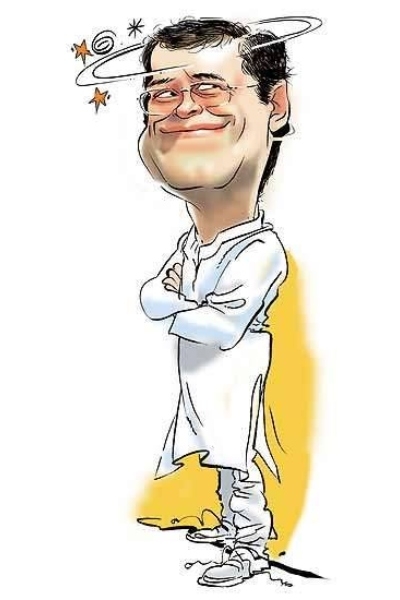
Rahul Gandhi and Mallikarjun Kharge must also recognise that the responsibility of an opposition is not confined to opposing the government. It includes scrutiny of policy, presenting alternatives, respecting institutions and maintaining the distinction between political criticism and institutional delegitimization. Repeatedly portraying constitutional authorities as instruments of the ruling party, without establishing the allegations through appropriate proceedings, can erode public confidence in institutions that must remain independent of partisan politics.
There is an irony in Congress's present posture. A party that governed India through the Emergency, presided over periods of serious electoral malpractice and repeatedly used Article 356 against state governments now seeks to occupy the exclusive moral high ground on democracy. Its historical record cannot be erased by invoking the Constitution in every political speech. Nor can the present government be declared guilty merely because Congress makes an accusation.
India's democracy is larger than any political party, its leadership or its electoral fortunes. The Election Commission must remain accountable, but its independence must also be protected. Parliament has procedures, courts have jurisdiction and voters have the ultimate authority to decide political questions. None of these can be replaced by political theatre.
Congress would do well to remember that democracy is not sustained by slogans, mock proceedings and street demonstrations alone. It is sustained by institutional respect, credible evidence, constitutional restraint and acceptance of democratic outcomes. Turning every disagreement into a spectacle may create political noise, but noise is not evidence, accusation is not adjudication, and a political circus is no substitute for constitutional democracy.
There is nothing unusual about an opposition party questioning the Election Commission, challenging its decisions or demanding accountability. But there is a difference between questioning an institution and conducting a political trial of its constitutional head. Impeachment is a constitutional process, not a public performance. An opposition alliance cannot create an alternative mechanism of removal through speeches, mock proceedings and political resolutions. The distinction between constitutional accountability and political theatrics should be obvious to a party that ruled India for decades.
The Congress appears increasingly invested in a politics of accusation. Vote chori, institutional capture, attacks on democracy and threats to the Constitution have become recurring expressions in its political vocabulary. Rahul Gandhi has made the Election Commission a central target of his political campaign. But allegations, however loudly repeated, do not become established facts merely through repetition. If the Congress possesses evidence of electoral malpractice, it must present that evidence before competent authorities and pursue remedies available under law. Political mobilisation cannot substitute for proof.
But before presenting itself as the principal guardian of electoral democracy, Congress must confront its own historical record. India's electoral history has not always been free from intimidation, booth capturing, violence and administrative interference. These were serious problems, particularly in parts of Bihar and Uttar Pradesh during earlier decades. A statement placed before Parliament in 1985 recorded 262 booth-capturing and fresh-poll cases, eight poll adjournments due to violence and nine killings across the states listed. Bihar alone accounted for 159 booth-capturing and fresh-poll cases in the statement. These figures demonstrate the gravity of the problem during that period. They do not establish that every incident was attributable to Congress, but they certainly belong to the historical record of the political system under which the party exercised considerable power.
Electoral malpractice was not merely an administrative inconvenience. Booth capturing, intimidation of voters, violence against political opponents and manipulation of local machinery struck at the very foundation of representative democracy. The Congress cannot claim ownership of India's democratic legacy while treating its uncomfortable chapters as irrelevant. Its long years in government also mean that its record of electoral administration deserves scrutiny.
The 1971 election case involving Indira Gandhi offers another significant historical reference. Following her victory from Rae Bareli, defeated candidate Raj Narain challenged the election. On June 12, 1975, the Allahabad High Court found her guilty of electoral malpractice involving the misuse of government machinery and set aside her election. The judgment precipitated a major political and constitutional crisis. Rather than treating the judicial verdict as an opportunity to reaffirm the supremacy of law, the government declared Emergency on June 25, 1975.
The consequences remain among the most serious episodes in independent India's democratic history. Between June 1975 and March 1977, civil liberties were curtailed, opposition leaders were arrested, the press was subjected to censorship and democratic accountability was severely weakened. The episode is particularly relevant today because Congress leaders frequently invoke the Constitution and democratic freedoms in their political campaigns. The Emergency is not an incidental historical footnote. It is an integral part of the party's governing record.
The use of Article 356 provides another example of the complicated relationship between political power and constitutional conventions. During Congress's decades of dominance, President's Rule was repeatedly imposed in opposition-governed states. The dismissal of the Communist government in Kerala in 1959 remains a prominent example. In 1977, the Janata government dismissed nine Congress-ruled state governments following the Lok Sabha election. When Indira Gandhi returned to power in 1980, her government similarly dismissed nine state governments. The Supreme Court's landmark S.R. Bommai judgment of 1994 examined this history and emphasised that Article 356 must not become an instrument of political convenience. The Court specifically referred to the politically motivated dismissals of state governments in 1977 and 1980.
The lesson is unmistakable: constitutional provisions are safeguards, not weapons to be deployed against political opponents. No political party can claim immunity from scrutiny merely because it invokes constitutional principles in opposition.
The present controversy surrounding the Election Commission must also be examined in this historical context. The Congress has every right to raise questions about the Special Intensive Revision of electoral rolls, demand transparency and seek judicial intervention wherever necessary. However, it must distinguish between administrative shortcomings, allegations of irregularities and proven electoral fraud. These are not interchangeable categories. The credibility of an allegation depends on documentary evidence, verification and the findings of competent authorities.
The proposed public impeachment is particularly problematic as political symbolism. The Constitution provides a defined procedure for the removal of the Chief Election Commissioner. A political alliance cannot create a parallel process and give it the appearance of constitutional authority. Even if intended as a protest, such an exercise risks trivialising a serious constitutional mechanism. It may generate headlines and mobilise party cadres, but it cannot determine the constitutional validity of the CEC's conduct.
Rahul Gandhi and Mallikarjun Kharge must also recognise that the responsibility of an opposition is not confined to opposing the government. It includes scrutiny of policy, presenting alternatives, respecting institutions and maintaining the distinction between political criticism and institutional delegitimization. Repeatedly portraying constitutional authorities as instruments of the ruling party, without establishing the allegations through appropriate proceedings, can erode public confidence in institutions that must remain independent of partisan politics.
There is an irony in Congress's present posture. A party that governed India through the Emergency, presided over periods of serious electoral malpractice and repeatedly used Article 356 against state governments now seeks to occupy the exclusive moral high ground on democracy. Its historical record cannot be erased by invoking the Constitution in every political speech. Nor can the present government be declared guilty merely because Congress makes an accusation.
India's democracy is larger than any political party, its leadership or its electoral fortunes. The Election Commission must remain accountable, but its independence must also be protected. Parliament has procedures, courts have jurisdiction and voters have the ultimate authority to decide political questions. None of these can be replaced by political theatre.
Congress would do well to remember that democracy is not sustained by slogans, mock proceedings and street demonstrations alone. It is sustained by institutional respect, credible evidence, constitutional restraint and acceptance of democratic outcomes. Turning every disagreement into a spectacle may create political noise, but noise is not evidence, accusation is not adjudication, and a political circus is no substitute for constitutional democracy.