If Modi Had Not Happened
Total Views |


September 17 is Narendra Modi’s birthday. But instead of asking what Modi has done, there is a more interesting question to ask - What would India look like if Narendra Modi had never happened?
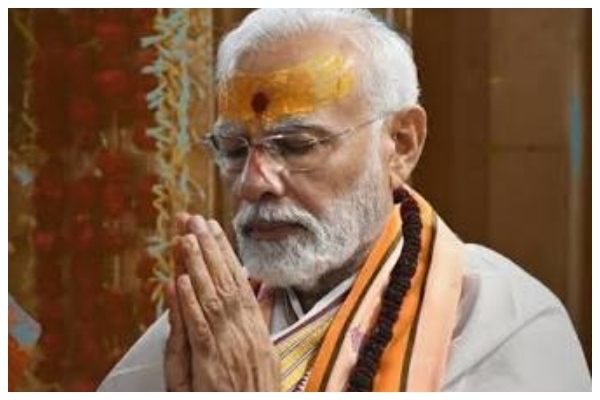 It is a counterfactual question, and therefore it cannot have a definitive answer. History does not provide parallel universes for comparison. But sometimes the importance of a political leader becomes clearer when we remove him from the history he helped shape. Imagine the India of 2013 without Narendra Modi waiting in the wings.
The Congress-led government was completing its second term. Coalition politics had become synonymous with political bargaining. Corruption controversies had damaged the credibility of the government. Economic growth had slowed sharply from the high-growth years. The BJP was the principal opposition party, but the question of who could convert anti-incumbency into a national political alternative was still open.
Then Modi happened.
The BJP entered the 2014 election with a political language different from the one that had dominated national politics for years - decisive leadership, development, governance, nationalism and a direct appeal to the aspirational voter. The result was historic. The BJP won 282 Lok Sabha seats on its own the first single-party majority for a non-Congress party in Indian parliamentary history.
Without Modi, would the BJP still have won? Perhaps. Would it have won in that form, with that scale and under that political narrative? That cannot be established. But one thing is undeniable - Modi became the instrument through which a political alternative was converted into political dominance.
And that changed much more than the government at the Centre.
Modi did not create the BJP. Nor did he create the ideological movement behind it. The BJP had already governed several states and had led a national government under Atal Bihari Vajpayee. But Modi transformed the relationship between the party, its organisation and the voter. The national election was presented not merely as a contest between parties and manifestos but as a choice of leadership. Modi's rallies, communication machinery and direct engagement with voters created an unusually personalised political connection.
The BJP's 2019 performance demonstrated that the 2014 victory was not simply an anti-Congress accident. The party increased its tally to 303 seats and its vote share to 37.7 per cent. Even the 2024 election tells an important part of the story. The BJP fell to 240 seats, losing its individual majority, but the NDA won enough seats to form the government, and Modi took oath for a third consecutive term on June 9, 2024.
Without Modi, the trajectory of the BJP and therefore of Indian politics would almost certainly have been different. Exactly how different is the question history cannot answer. Hindutva would have remained but its political location could have been different. The Ram Janmabhoomi movement, Article 370, the Uniform Civil Code and other questions associated with Hindu nationalist politics existed long before Modi.
Therefore, attributing their entire political history to Modi would be historically inaccurate. But Modi gave these questions a different political setting. The removal of the special constitutional provisions applicable to Jammu and Kashmir, the construction of the Ram temple at Ayodhya and the continuing political emphasis on the UCC occurred during his years as Prime Minister. Whatever one's ideological position on these issues, they moved from long-standing demands of a political movement into the centre of national political discourse.
The Modi government's own data record the scale claimed for these programmes - more than 50 crore bank accounts under Jan Dhan, around 10 crore Ujjwala connections, 12 crore toilets under Swachh Bharat and more than four crore houses under PMAY. These are government-reported figures, and individual schemes have also been subject to debates about usage, implementation and quality of outcomes.
The political significance is bigger than the numbers.
For decades, Indian politics frequently spoke about the poor as a collective category. Modi increasingly addressed the poor as individual beneficiaries of identifiable state interventions. The ration card holder, the LPG beneficiary, the woman with a bank account, the family with a toilet or a house became politically visible. Would another government have pursued welfare? Certainly. Welfare was not invented in 2014. But the scale, branding, centralised political ownership and direct communication of welfare changed the relationship between the state and the beneficiary.
India’s political vocabulary changed thanks to Modi. Before Modi, development, secularism, socialism, coalition management and poverty alleviation dominated much of the national political vocabulary. After Modi, a different collection of words became unavoidable: development, nationalism, Hindutva, welfare delivery, self-reliance, digital governance, infrastructure, Viksit Bharat and civilisational identity.
Not all these ideas originated with Modi. Some have deep roots in Indian political thought. But Modi brought them together into a single political narrative. That may be his most consequential contribution to Indian politics. He made the argument that economic development and cultural nationalism need not be presented as mutually exclusive political propositions.
One can support welfare for the poor while speaking unapologetically about national identity. One can promote infrastructure and technology while invoking civilisational continuity. One can speak about India's global ambitions while emphasising domestic self-reliance. Whether one agrees with this synthesis is a political question. Its existence is a political fact.
And the question remains - what about the Congress? Here the counterfactual becomes particularly interesting. A Congress facing a different BJP might have confronted a different political environment. The party's organisational decline, leadership questions and ideological uncertainties cannot all be attributed to Modi. But Modi's dominance undoubtedly gave the Congress a powerful adversary around whom opposition politics could be organised.
The emergence of the INDIA bloc in 2023–24 itself demonstrated how opposition parties increasingly defined their national strategy in relation to Modi and the BJP. Remove Modi from the equation and the opposition's political grammar would also have been different. Modi may have been both cause and consequence.
It would be simplistic to say that Modi alone changed India. India was changing before Modi arrived. Economic aspirations were rising. The middle class was expanding. Young voters were becoming more politically assertive. Social media was transforming political communication. The Congress system had weakened. The BJP had developed a powerful organisational network. Modi emerged from these changes.
But leadership matters because historical forces require political instruments.
Modi became that instrument. He did not create every current in Indian society. He captured, organised and accelerated several of them. That is why the counterfactual question is so revealing.
If Modi had not happened, another leader would have emerged. Another government would have governed. The BJP would have continued to exist. Hindutva would not have disappeared. India would still have pursued development and welfare. But the combination would almost certainly have been different—the speed, vocabulary, political ownership and ideological synthesis.
That is the real meaning of Modi's political significance. A birthday usually invites us to look at a person's life. Modi's birthday offers a more unusual exercise - look at India by taking the person out of the picture. The exercise does not tell us what India would certainly have become. No counterfactual can. But it reveals something important about the India that actually emerged.
For more than a decade, Indian politics has revolved around Modi—supporting him, opposing him, adapting to him, challenging him or attempting to replace the political model he represents. The most revealing measure of a political phenomenon is not how many speeches it produces or how many elections it wins.
It is this - Can the country's political history still be explained without it? In the case of Narendra Modi, the answer is no.
The Congress-led government was completing its second term. Coalition politics had become synonymous with political bargaining. Corruption controversies had damaged the credibility of the government. Economic growth had slowed sharply from the high-growth years. The BJP was the principal opposition party, but the question of who could convert anti-incumbency into a national political alternative was still open.
Then Modi happened.
The BJP entered the 2014 election with a political language different from the one that had dominated national politics for years - decisive leadership, development, governance, nationalism and a direct appeal to the aspirational voter. The result was historic. The BJP won 282 Lok Sabha seats on its own the first single-party majority for a non-Congress party in Indian parliamentary history.
Without Modi, would the BJP still have won? Perhaps. Would it have won in that form, with that scale and under that political narrative? That cannot be established. But one thing is undeniable - Modi became the instrument through which a political alternative was converted into political dominance.
And that changed much more than the government at the Centre.
ALSO READ: Bengal’s Madrasa Question: Who Allowed 2,396 to Operate?
The BJP's 2019 performance demonstrated that the 2014 victory was not simply an anti-Congress accident. The party increased its tally to 303 seats and its vote share to 37.7 per cent. Even the 2024 election tells an important part of the story. The BJP fell to 240 seats, losing its individual majority, but the NDA won enough seats to form the government, and Modi took oath for a third consecutive term on June 9, 2024.
Without Modi, the trajectory of the BJP and therefore of Indian politics would almost certainly have been different. Exactly how different is the question history cannot answer. Hindutva would have remained but its political location could have been different. The Ram Janmabhoomi movement, Article 370, the Uniform Civil Code and other questions associated with Hindu nationalist politics existed long before Modi.
Therefore, attributing their entire political history to Modi would be historically inaccurate. But Modi gave these questions a different political setting. The removal of the special constitutional provisions applicable to Jammu and Kashmir, the construction of the Ram temple at Ayodhya and the continuing political emphasis on the UCC occurred during his years as Prime Minister. Whatever one's ideological position on these issues, they moved from long-standing demands of a political movement into the centre of national political discourse.
That is a major distinction. Modi did not invent the ideological agenda. He gave it executive power.
The poor became a direct political constituency. Perhaps the least discussed part of the Modi transformation is the politics of delivery. Jan Dhan accounts, Ujjwala LPG connections, toilets, housing, electricity connections, tap water and direct benefit transfers changed the vocabulary of welfare politics.The Modi government's own data record the scale claimed for these programmes - more than 50 crore bank accounts under Jan Dhan, around 10 crore Ujjwala connections, 12 crore toilets under Swachh Bharat and more than four crore houses under PMAY. These are government-reported figures, and individual schemes have also been subject to debates about usage, implementation and quality of outcomes.
The political significance is bigger than the numbers.
For decades, Indian politics frequently spoke about the poor as a collective category. Modi increasingly addressed the poor as individual beneficiaries of identifiable state interventions. The ration card holder, the LPG beneficiary, the woman with a bank account, the family with a toilet or a house became politically visible. Would another government have pursued welfare? Certainly. Welfare was not invented in 2014. But the scale, branding, centralised political ownership and direct communication of welfare changed the relationship between the state and the beneficiary.
India’s political vocabulary changed thanks to Modi. Before Modi, development, secularism, socialism, coalition management and poverty alleviation dominated much of the national political vocabulary. After Modi, a different collection of words became unavoidable: development, nationalism, Hindutva, welfare delivery, self-reliance, digital governance, infrastructure, Viksit Bharat and civilisational identity.
ALSO READ: From Starvation Headlines to Diplomatic Gift Packs: How Koraput Coffee Became India's Stealth Revolution
One can support welfare for the poor while speaking unapologetically about national identity. One can promote infrastructure and technology while invoking civilisational continuity. One can speak about India's global ambitions while emphasising domestic self-reliance. Whether one agrees with this synthesis is a political question. Its existence is a political fact.
And the question remains - what about the Congress? Here the counterfactual becomes particularly interesting. A Congress facing a different BJP might have confronted a different political environment. The party's organisational decline, leadership questions and ideological uncertainties cannot all be attributed to Modi. But Modi's dominance undoubtedly gave the Congress a powerful adversary around whom opposition politics could be organised.
The emergence of the INDIA bloc in 2023–24 itself demonstrated how opposition parties increasingly defined their national strategy in relation to Modi and the BJP. Remove Modi from the equation and the opposition's political grammar would also have been different. Modi may have been both cause and consequence.
It would be simplistic to say that Modi alone changed India. India was changing before Modi arrived. Economic aspirations were rising. The middle class was expanding. Young voters were becoming more politically assertive. Social media was transforming political communication. The Congress system had weakened. The BJP had developed a powerful organisational network. Modi emerged from these changes.
But leadership matters because historical forces require political instruments.
Modi became that instrument. He did not create every current in Indian society. He captured, organised and accelerated several of them. That is why the counterfactual question is so revealing.
If Modi had not happened, another leader would have emerged. Another government would have governed. The BJP would have continued to exist. Hindutva would not have disappeared. India would still have pursued development and welfare. But the combination would almost certainly have been different—the speed, vocabulary, political ownership and ideological synthesis.
That is the real meaning of Modi's political significance. A birthday usually invites us to look at a person's life. Modi's birthday offers a more unusual exercise - look at India by taking the person out of the picture. The exercise does not tell us what India would certainly have become. No counterfactual can. But it reveals something important about the India that actually emerged.
For more than a decade, Indian politics has revolved around Modi—supporting him, opposing him, adapting to him, challenging him or attempting to replace the political model he represents. The most revealing measure of a political phenomenon is not how many speeches it produces or how many elections it wins.
It is this - Can the country's political history still be explained without it? In the case of Narendra Modi, the answer is no.