Operation Sindoor was not solely fought on physical battlegrounds. It also witnessed a sophisticated and coordinated information warfare campaign orchestrated by Pakistan, allegedly with significant backing from China. This digital offensive aimed to undermine India's military actions, destabilize its internal security, and damage its global standing. However, India responded with a multi-pronged counter-information strategy, highlighting the critical role of narrative control in modern conflict.
The China Nexus in Pakistan's Information Warfare
Pakistan's information warfare efforts during Operation Sindoor were reportedly amplified by its strategic ally, China. While not directly engaging in overt propaganda, China allegedly played the role of a silent catalyst, providing crucial technological and strategic support. This included:
Technology Transfer: Supplying Pakistan with advanced technologies for creating AI-driven deepfakes and managing sophisticated bot networks designed to spread disinformation.
Doctrinal and Training Support: Sharing expertise in information warfare strategies and providing training to Pakistani cyber units involved in the campaign.
Offshore Infrastructure: Hosting propaganda websites and digital assets on servers located outside India's jurisdiction, making them harder to trace and counter.
Global Amplification: Leveraging its own global media presence and social media influence to subtly amplify anti-India narratives originating from Pakistan.
Pakistan's Information Warfare Objectives and Tactics
The primary objectives of Pakistan's information warfare campaign during Operation Sindoor appeared to be:
Delegitimizing India's Military Action: Portraying India as an aggressor and its military actions as unjustified and disproportionate.
Internationalizing the Kashmir Issue: Exploiting the conflict to draw international attention to the Kashmir dispute and garner support for its stance.
Inciting Domestic Unrest: Attempting to sow discord and fuel anti-government sentiment within India.
Demoralizing the Indian Population and Forces: Undermining public confidence and affecting the morale of the Indian armed forces.
Undermining India's Global Image: Damaging India's reputation on international platforms and among global powers.
To achieve these objectives, Pakistan employed a range of tactics, including:
Spreading Fake News and Deepfakes: Creating and disseminating fabricated news reports, images, and manipulated videos (deepfakes) to deceive the public and international community.
Utilizing Bot Armies and Hashtag Wars: Deploying coordinated networks of automated social media accounts (bots) to amplify specific narratives and manipulate trending hashtags.
Leveraging Proxy Influencers: Utilizing individuals and groups, both within India and internationally, to subtly propagate their agenda.
Misusing International Institutions: Attempting to frame their narratives within international forums and organizations to gain legitimacy.
India's Strategic Counter-Information Warfare Response
Faced with this orchestrated digital offensive, India activated a robust counter-information warfare strategy, characterized by:
Strategic Communications Cell Activation: Deploying specialized units to monitor, analyze, and counter disinformation in real-time.
Rapid Debunking of Fake Content: Quickly identifying and publicly debunking false claims and manipulated media through official channels and fact-checking initiatives.
Proactive Narrative-Building: Actively shaping and disseminating its own narrative, providing factual information and context to counter false allegations.
Diplomatic Outreach and Briefings: Engaging with international media and diplomatic communities to present India's perspective and counter biased reporting.
Legal Action Against Disinformation Platforms: Pursuing legal avenues to address the spread of malicious content on social media and other platforms.
Challenges Faced by India in the Information Battle
Despite its strategic response, India faced several significant challenges in countering the China-backed Pakistani information warfare campaign:
The Speed of Viral Content: The rapid and widespread dissemination of misinformation on social media platforms often outpaced debunking efforts.
Bias in Global Media: Pre-existing biases and a lack of nuanced understanding of the region in some Western media outlets made them susceptible to Pakistani narratives.
Internal Amplifiers of Disinformation: The unwitting or deliberate amplification of false narratives by individuals and groups within India posed a significant challenge.
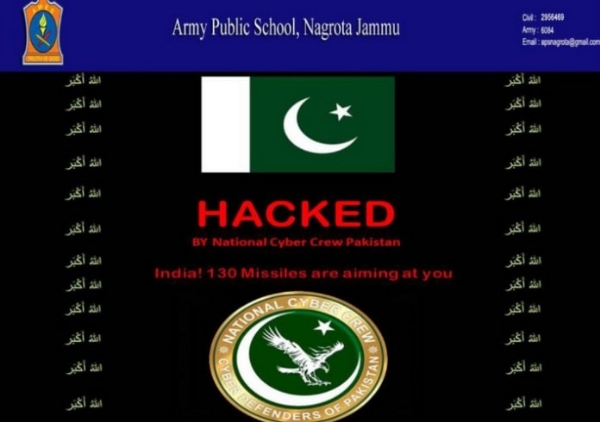
Cyber Intrusions and Impersonation Attempts: Efforts to infiltrate Indian digital infrastructure and impersonate official accounts added another layer of complexity to the information battle.
Lessons for the Future of Information Warfare
Operation Sindoor provided valuable lessons for India and the international community regarding the evolving nature of information warfare:
Need for a National Info-Warfare Doctrine: The urgency of developing a comprehensive national doctrine to effectively address future information threats.
Investment in AI-Based Countermeasures: The necessity of investing in artificial intelligence and machine learning tools to detect and counter sophisticated disinformation campaigns.
Pre-emptive Psychological Operations: The potential benefits of proactive communication strategies to build resilience against enemy propaganda.
Public Education on Media Literacy: The crucial role of educating the public to critically evaluate information and identify disinformation.
Building Global Anti-Disinformation Alliances: The importance of forging international partnerships to share best practices and coordinate efforts against disinformation.
WESTERN MEDIA-The Western Front: Navigating Bias and Disinformation in Operation Sindoor
The information war surrounding Operation Sindoor extended beyond the immediate conflict zone, significantly impacting how the conflict was perceived by Western media outlets and the broader international community. Understanding the factors that contributed to potential biases, Pakistan's influence on Western narratives, and India's efforts to counter these challenges is crucial to grasping the full spectrum of this information battle.
Why Some Western Media Outlets Leaned Towards Pakistani Narratives
Several factors may have contributed to a perceived bias or greater receptiveness towards Pakistani narratives in some sections of Western media:
Legacy Bias and Orientalist Stereotypes: Long-standing biases and stereotypical portrayals of the region and its actors may have unconsciously influenced reporting.
Influence of Pakistani and Islamist Lobbying: Active lobbying efforts by Pakistani and Islamist organizations in Western capitals could have shaped media narratives.
Speed and Emotional Appeal of Pakistani Disinformation: The rapid dissemination and often emotionally charged nature of Pakistani disinformation may have been more immediately captivating for news cycles prioritizing speed.
Ideological Alignment in Western Academia and Journalism: Certain ideological viewpoints prevalent in some Western academic and journalistic circles might have found resonance with narratives portraying India in a particular light.
Weak Indian Media Diplomacy in the West: A comparatively less assertive and resourced Indian media diplomacy effort in the West might have allowed other narratives to dominate.
Methods Employed by the Pakistani Disinformation Campaign Targeting the West
Pakistan's disinformation campaign aimed at Western audiences employed specific methods:
Disseminating Doctored Images and Deepfakes: Creating and spreading manipulated visual content designed to evoke strong emotional responses and portray India negatively.
Viral Content Dissemination via Social Media: Utilizing social media platforms to amplify their narratives and bypass traditional media gatekeepers.
Framing India as a Majoritarian Aggressor: Portraying India's actions as driven by Hindu majoritarianism and targeting minority populations.
Lobbying Through NGOs and Think Tanks: Engaging with Western non-governmental organizations and think tanks to promote their perspectives.
Targeted Outreach to Western Media Houses: Cultivating relationships with specific journalists and media outlets to influence their reporting.
India's Proactive Counter-Strategy in the West
India actively countered these disinformation efforts in the West through a multi-pronged strategy:
Engaging Friendly Western Journalists and Analysts: Building relationships with and providing information to Western journalists and analysts perceived as fair and objective.
Proactive Diplomatic Briefings in Key Capitals: Organizing briefings for diplomats and international organizations in key Western capitals to present India's perspective.
Unified Narrative from Key Government Bodies: Ensuring a consistent and coherent narrative emanating from the Army, Ministry of External Affairs (MEA), and National Security Advisor (NSA).
Digital Counter-Influence and Diaspora Support: Leveraging digital platforms to counter false narratives and mobilizing the Indian diaspora to amplify India's viewpoint.
Legal and Cyber Actions Against Fake Content: Pursuing legal and cyber measures to address the spread of demonstrably false content.
Impact of India's Countermeasures on Western Perceptions
India's proactive countermeasures yielded significant results in shaping Western perceptions:
Neutralizing Major Fake Narratives: Successfully debunking and neutralizing key false narratives within a relatively short timeframe.
Presenting Credible Evidence: Providing satellite imagery, intercepted communications, and other evidence to support its claims.
Leveraging Diaspora and Tech Communities: Effectively mobilizing the Indian diaspora and tech communities to counter disinformation online.
Pressuring Platforms to Remove Fake Accounts: Exerting pressure on social media platforms to identify and remove accounts spreading malicious content.
Strengthening Global Perception of India's Legitimacy: Reinforcing the international community's understanding of India's actions as legitimate and justified.
Lessons and Long-Term Measures for Engaging the West
Operation Sindoor highlighted crucial lessons for India's long-term engagement with Western media and civil society:
Institutionalizing Strategic Communication Capabilities: Establishing robust and well-resourced strategic communication units focused on international outreach.
Engaging Proactively with Western Civil Society: Building relationships with academics, think tanks, and other influential civil society actors in the West.
Investing in Media and Narrative Building Capacity: Developing stronger capabilities in international media engagement and narrative construction.
Forging Independent Media Alliances: Cultivating partnerships with independent and democratic media outlets globally.
Expanding Soft Power and Public Diplomacy Efforts: Enhancing India's soft power initiatives and public diplomacy efforts to build goodwill and understanding.
Conclusion: Winning the Narrative Battle
Operation Sindoor underscored the increasing significance of information warfare as an integral component of modern conflict. While India demonstrated a capacity to effectively counter a sophisticated digital offensive allegedly supported by China, the battle for narrative control is an ongoing and evolving challenge. To safeguard its national interests and global image in future conflicts, India must continue to adapt and strengthen its strategies in this critical domain.
Operation Sindoor served as a stark reminder of the vulnerabilities within global media ecosystems and the effectiveness with which disinformation can be weaponized. While Pakistan attempted to exploit existing biases and the speed of information dissemination in the West, India's coordinated and credible response proved reasonably effective in countering major false narratives. Moving forward, proactively shaping the narrative and building trust through consistent, transparent, and evidence-based communication will be crucial for India in navigating future information battlefields on the global stage.
--