Energy Security in an Uncertain World: India’s Biofuel Opportunity


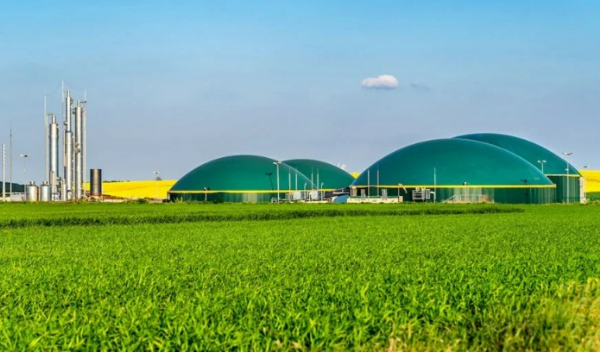
Yet, within this disruption lies a strategic opportunity. India’s biofuel sector, spanning ethanol, compressed biogas (CBG), and biomass, has reached a critical inflexion point. The challenge now is not technological feasibility, but policy direction and scale.
A Success Story Creating a New Challenge
India’s ethanol blending programme stands out as one of its most successful energy transitions. Blending has risen from about 1.5% in 2014 to 20% in 2025, achieved ahead of schedule. Ethanol production capacity has expanded to roughly 16–17 billion litres annually.
However, success has created a new challenge. Ethanol production capacity in the country is now estimated at around 17–18 billion litres, while demand for E20 blending is only about 10–11 billion litres. This surplus highlights a structural imbalance; India has built supply faster than demand.
CBG: High Potential, Limited Scale
Compressed biogas presents a parallel opportunity. India has over 130 operational CBG plants with a combined output of around 900+ tonnes per day. Yet, this remains small compared to the country’s LPG consumption of 31–32 million tonnes annually, more than half of which is imported.
CBG can serve as an immediate substitute for LPG in commercial and industrial applications, but policy support and infrastructure remain inadequate.
The Brazil Lesson: Clarity Drives Investment
Brazil’s ethanol success is rooted in policy certainty. With blending levels of 27–30% and widespread adoption of flex-fuel vehicles, Brazil created a stable, long-term roadmap that aligned farmers, fuel suppliers, and automakers.
This predictability enabled sustained investment across the value chain. India must now adopt a similar roadmap to avoid underutilization of its growing biofuel capacity.
Countering the Narrative: Ethanol’s Strategic Value
It is also important to acknowledge that India’s ethanol programme has not evolved without resistance. At various stages, vested interests—ranging from segments of the fossil fuel ecosystem to sections of the food and environmental lobby—have sought to cast doubts on ethanol’s viability, raising concerns around food security, water use, and efficiency.
While some of these concerns merit careful policy calibration, the broader narrative has often been disproportionately negative, overlooking the tangible benefits already delivered. Today, with global oil markets under stress, the strategic value of ethanol is unmistakable. Achieving 20% blending has effectively translated into significant savings in crude oil imports—shielding India from external shocks, reducing foreign exchange outflows, and stabilizing domestic fuel prices. In the current geopolitical environment, this is not just an energy policy success; it is a strategic buffer for the Indian economy.
A 10-Point Biofuel Agenda:
To build on this momentum, India needs a coherent and forward-looking strategy:
1. Mandate LPG substitution with CBG (20–40%)
Focus on commercial and industrial users to create immediate demand.
2. Build decentralized CBG infrastructure
Support compression, storage, and last-mile distribution systems.
3. Introduce green production incentives for CBG
Reward environmental performance to improve viability.
4. Strengthen carbon markets
Enable biofuels to generate tradable carbon credits.
5. Shift ethanol policy from supply to demand
Expand use beyond petrol blending into multiple sectors.
6. Announce a roadmap beyond E20 (toward E27)
Provide long-term policy certainty.
7. Accelerate flex-fuel vehicles (FFVs)
Offer fiscal incentives and promote retrofit solutions.
8. Scale advanced biofuels (2G ethanol, SAF, DME)
Leverage agricultural residues and alternative pathways.
9. Promote ethanol and CBG for cooking energy
Reduce LPG imports and expand clean energy access.
10. Mainstream solid biofuels
Promote pellets, briquettes, and clean cookstoves.
From Vulnerability to Strategic Autonomy
India’s biofuel journey has already delivered measurable gains, reduced fuel imports, lower emissions, and increased rural incomes. But the next phase requires a shift from incremental progress to strategic intent.
Without expanding demand, surplus ethanol will remain underutilised. Without scaling CBG, import dependence on LPG will persist. Without policy alignment, investments will slow.
In a world defined by energy insecurity, biofuels offer India a rare pathway to resilience—built on domestic resources and decentralised production. A clear, long-term roadmap, on the lines of Brazil, can transform today’s progress into enduring strategic strength.
The choice is clear: India can either remain vulnerable to global shocks or leverage biofuels to build true energy independence.
(Vaibhav Dange – is Founder Director IFGE & Public Policy Expert on Infrastructure, Bio Fuels & Sustainable Mobility)
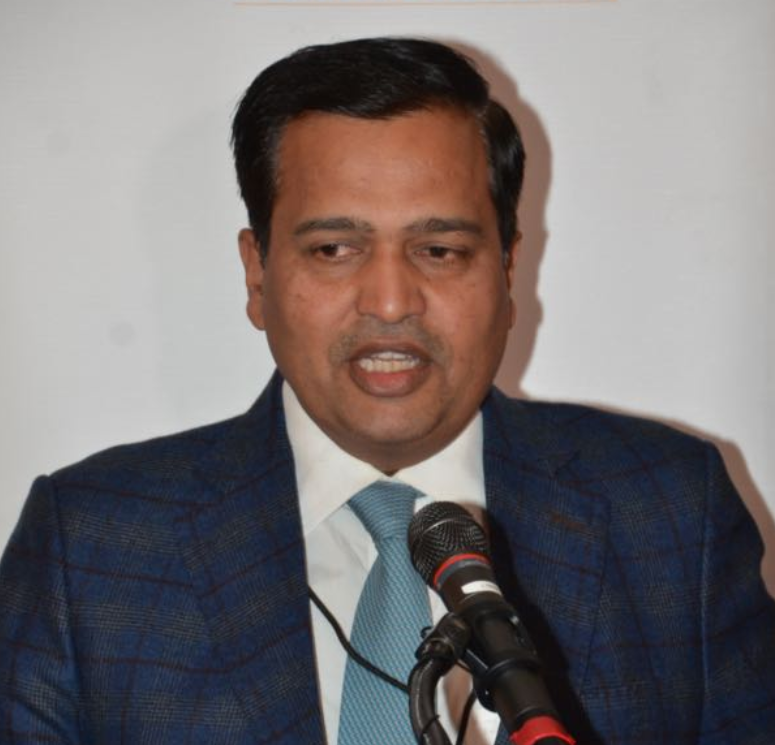
Vaibhav Dange
Vaibhav Dange is an Advisor in the National Highways Authority of India, Ministry of Road Transport & Highways. He had a rare privilege of being Private Secretary to Union Minister of Road Transport, Highways & Shipping, Government of India between 2014-19. Usually, the post of Private Secretary is manned by the officers of civil services that is IAS. Earlier, he worked as Deputy Director at FICCI, where he was responsible to coordinate with central and state governments on the issues related to investment promotion and policy reform, etc. He had also been involved in investment promotion events of state governments such as Vibrant Gujarat, Destination Madhya Pradesh, and Resurgent Rajasthan.
Vaibhav holds an MBA degree from Amaravati University, Maharashtra with major in Financing. He has also successfully completed course in “Japanese Managment Practices” at Tokyo, Japan sponsored by AOTS Japan. He joined Centre for Bharatiya Management Development an organisation incorporated for promotion of Indian economy in the overall framework of Indian values and needs. CBMD was an organisation in the making in 1999 and Vaibhav was instrumental making it pan India organisation within a short span of 6 years with branches at more than 13 places.
He also is associated as Member and on Advisory Committees of various trade and management organisations in the field of Management, Sustainable Mobility and Green Energy. Have presented various policy recommendations and papers at various levels. Specially to mention paper presented on Bio Diesel Program at a Conference at Rashtrapati Bhawan in the presence of Former president Dr. A P J Abdul Kalam and was included in the proceedings of the conference. He has delivered more than 100 lectures on economic issues at various industry associations, chambers, and academic institutions across India. Have developed various management-training modules for SME, Tiny & cottage industries. Has been conducting training programmes on various management issues such as Basic management for SME, understand your Market, Marketing and Selling. Price is Policy and so on. Recently attended refreshment course on Transport Modelling and Planning at University of New South Wales, Sydney, Australia.