‘Pray in mosques, not on roads’: Bengal’s new BJP Govt signals tough shift on street namaz, cattle smuggling and stone pelting
For years, Kolkata’s Red Road during Eid had become an image closely associated with Bengal politics, thousands gathering for namaz on one of the city’s most iconic stretches.
Total Views |


Just days after coming to power in West Bengal, the BJP government led by Suvendu Adhikari has begun sending strong signals on issues it repeatedly raised during the election campaign, such as roadside namaz, cattle smuggling, illegal border activities, and stone-pelting incidents.
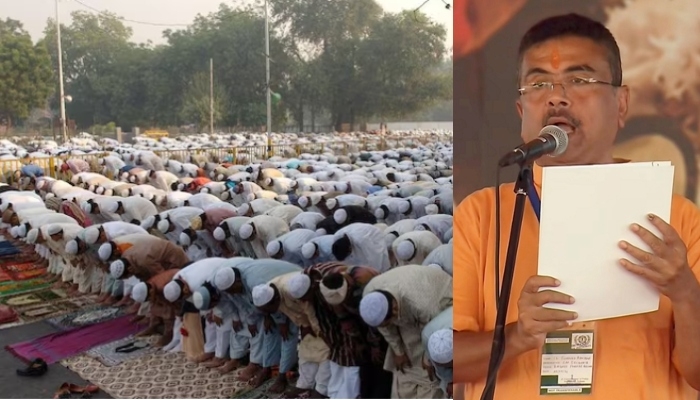
“The CM has given many orders during the Cabinet meeting. Namaz will not be allowed in the streets. Let them pray at mosques, but on the streets, it won't be tolerated,” Singh said during an interview with India Today TV. The statement immediately sparked political debate in the state, especially because the issue of public prayers on roads had become a major flashpoint during the Assembly elections. Singh also referred to Kolkata’s Red Road, where Eid prayers have traditionally been held for years, and indicated that such scenes would no longer continue under the BJP government.
“Such a thing won't be seen. These are court orders,” he said.
Red road namaz had earlier triggered national attention
Crackdown on smuggling and stone pelting begins
The new administration is also attempting to send a broader law-and-order message. Arjun Singh said the government would act strongly against cattle smuggling networks and incidents of stone pelting, both of which had become central talking points for the BJP during the elections.
The BJP has long accused leaders of the All India Trinamool Congress of shielding cattle smuggling syndicates. The issue gained national attention after central agencies investigated senior TMC leader Anubrata Mondal in connection with alleged cattle smuggling cases.
BJP begins delivering on poll promises
The developments are widely being seen as the first concrete signs of how the new BJP government plans to govern Bengal after ending the long rule of the Trinamool Congress. Issues such as illegal infiltration, border security, religious appeasement, political violence, cattle smuggling, and public order had dominated the BJP’s campaign narrative across the state. Suvendu Adhikari's government’s next administrative steps on these issues are likely to trigger sharp political reactions, legal scrutiny, and intense public debate in the weeks ahead.
For years, Kolkata’s Red Road during Eid had become an image closely associated with Bengal politics, thousands gathering for namaz on one of the city’s most iconic stretches. Now, that may be set to change. Within days of taking charge, the BJP government in West Bengal has started moving on some of its most politically sensitive promises. Speaking about the government’s early decisions, BJP MLA Arjun Singh said roadside namaz would no longer be permitted in the state and religious gatherings on public roads would face restrictions.
“The CM has given many orders during the Cabinet meeting. Namaz will not be allowed in the streets. Let them pray at mosques, but on the streets, it won't be tolerated,” Singh said during an interview with India Today TV. The statement immediately sparked political debate in the state, especially because the issue of public prayers on roads had become a major flashpoint during the Assembly elections. Singh also referred to Kolkata’s Red Road, where Eid prayers have traditionally been held for years, and indicated that such scenes would no longer continue under the BJP government.
“Such a thing won't be seen. These are court orders,” he said.
Red road namaz had earlier triggered national attention
The controversy surrounding Eid namaz at Red Road had intensified last year after the Indian Army initially refused permission for prayers at the site, citing military usage of the area. Red Road falls under the Ministry of Defence and stretches up to Fort William, the headquarters of the Eastern Command. After political discussions and administrative negotiations, the Army later adjusted its schedule to allow Eid al-Adha prayers to take place there.
The BJP had repeatedly criticised the practice of holding prayers on public roads and projected it as an issue of governance and appeasement politics during its Bengal campaign.
சாலையை அடைத்துக் கொண்டு நமாஸ் செய்வது முற்றிலுமாக தடை செய்யப்படுகிறது-
— Rajbjp (@rajsd_bjp) May 12, 2026
மேற்கு வங்க அரசாங்கம் அறிவிப்பு.
சாலைகள் அமைக்கப்படுவது போக்குவரத்திற்காக மட்டுமே நமாஸ் செய்வதற்கு அல்ல.
போக்குவரத்திற்கு இடைஞ்சல் செய்வதை ஏற்றுக் கொள்ள முடியாது.
வாழ்த்துக்கள் @SuvenduWB pic.twitter.com/iHmisfJ7mS
Crackdown on smuggling and stone pelting begins
The new administration is also attempting to send a broader law-and-order message. Arjun Singh said the government would act strongly against cattle smuggling networks and incidents of stone pelting, both of which had become central talking points for the BJP during the elections.
“Action will be taken against those smugglers found doing cattle smuggling. Stone pelting won’t be allowed,” he said. Soon after taking office, the government reportedly directed police officials to shut down unauthorised cattle markets across the state. Border districts and sensitive regions have also been placed under increased surveillance as part of efforts to crack down on smuggling routes operating near the Bangladesh border.
The BJP has long accused leaders of the All India Trinamool Congress of shielding cattle smuggling syndicates. The issue gained national attention after central agencies investigated senior TMC leader Anubrata Mondal in connection with alleged cattle smuggling cases.
BJP begins delivering on poll promises
The developments are widely being seen as the first concrete signs of how the new BJP government plans to govern Bengal after ending the long rule of the Trinamool Congress. Issues such as illegal infiltration, border security, religious appeasement, political violence, cattle smuggling, and public order had dominated the BJP’s campaign narrative across the state. Suvendu Adhikari's government’s next administrative steps on these issues are likely to trigger sharp political reactions, legal scrutiny, and intense public debate in the weeks ahead.