Kolkata: How Matiur Rahman posed as 'Manik Roy' to exploit 15 Hindus across matrimonial sites; accused arrested
Total Views |


What started as a hopeful search for love on a matrimonial website soon unraveled into a disturbing story of deception, financial exploitation, and emotional manipulation, culminating in the arrest of a Kolkata-based man suspected of preying on at least 15 Hindu women across the state.
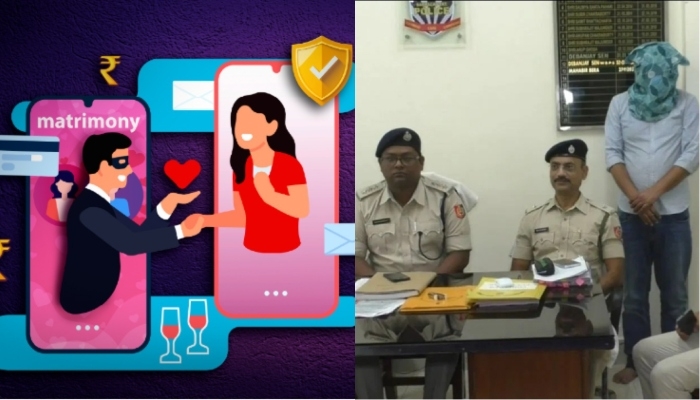
A young woman from Naihati in North 24 Parganas emerged as the key complainant in the case, her story serving as the thread that unraveled the entire operation. Drawn in by the prospect of a genuine relationship, she grew close to the man and even shared their plans with her family. But what began as a promising courtship gradually descended into a harrowing ordeal.
The first cracks appeared when Rahman allegedly claimed his maternal uncle had passed away and demanded an urgent money transfer to a bank account supposedly belonging to relatives in Mumbai. As she attempted to verify the details, the story began falling apart. Further digging revealed that his actual roots appeared to trace back to East Burdwan district, nowhere near what he had told her. The discrepancy deepened her suspicions and pushed her to investigate further.
Investigators believe Rahman followed the same carefully rehearsed playbook each time, deliberately targeting women who were sincerely looking for life partners through matrimonial platforms. The allegations point to a coldly calculated operation, one that exploited deep-rooted social expectations, emotional vulnerability, and above all, trust.
Armed with testimonies from fellow victims, the Naihati woman walked into a police station and filed a formal complaint. Acting swiftly on her complaint and initial findings, Kolkata Police arrested Rahman on June 2, 2026. The investigation is now being widened to trace additional victims and assess the true scale of the alleged fraud. Authorities suspect many more women may have been targeted over the years, and have appealed to anyone with similar experiences to come forward without hesitation.
The case stands as a sobering reminder of the dangers lurking within online matrimonial and dating platforms, where meticulously crafted personas can mask sophisticated webs of manipulation. Behind the seemingly genuine search for companionship, investigators warn, may sometimes lie individuals who treat trust not as something sacred, but as a tool to exploit.
Kolkata Police have taken Matiur Rahman, a resident of the Bowbazar area in central Kolkata, into custody. He created a false persona on matrimonial platforms to lure Hindu women into relationships, systematically draining them of money and valuables before vanishing without a trace. Investigators now suspect he may have fraudulently "married" up to 15 women as part of a carefully orchestrated scheme.
According to police, Rahman operated under the fake identity of "Manik Roy", constructing a convincing façade to win the confidence of unsuspecting women. He portrayed himself as a highly successful professional with an annual income of nearly Rs 1.5 crore, projecting an image of wealth and stability, qualities that made him appear to be an ideal match on matrimonial platforms.
A young woman from Naihati in North 24 Parganas emerged as the key complainant in the case, her story serving as the thread that unraveled the entire operation. Drawn in by the prospect of a genuine relationship, she grew close to the man and even shared their plans with her family. But what began as a promising courtship gradually descended into a harrowing ordeal.
As per her complaint, Rahman began making repeated requests for financial help, each time citing a new personal crisis. The appeals grew more frequent and more urgent, layered with emotional pressure that made refusal feel impossible. Believing she was supporting the man she was soon to marry, she handed over Rs 85,000 in cash, a gold bracelet, and several other valuables, never initially suspecting foul play.
ALSO READ: Maharashtra: Man in Islamic skull cap sells roadside fallen vada pavs to passengers on Bhusawal Rail Station; video viral
The first cracks appeared when Rahman allegedly claimed his maternal uncle had passed away and demanded an urgent money transfer to a bank account supposedly belonging to relatives in Mumbai. As she attempted to verify the details, the story began falling apart. Further digging revealed that his actual roots appeared to trace back to East Burdwan district, nowhere near what he had told her. The discrepancy deepened her suspicions and pushed her to investigate further.
What she discovered next was deeply unsettling. Scrolling through social media, she stumbled upon several other women who had encountered the same man. When she reached out to them, a chilling pattern came to light. Their accounts were nearly identical: promises of marriage, calculated emotional manipulation, persistent demands for money, and ultimately, abandonment. Some alleged they had even been taken through actual wedding ceremonies before being deceived.
Investigators believe Rahman followed the same carefully rehearsed playbook each time, deliberately targeting women who were sincerely looking for life partners through matrimonial platforms. The allegations point to a coldly calculated operation, one that exploited deep-rooted social expectations, emotional vulnerability, and above all, trust.
Armed with testimonies from fellow victims, the Naihati woman walked into a police station and filed a formal complaint. Acting swiftly on her complaint and initial findings, Kolkata Police arrested Rahman on June 2, 2026. The investigation is now being widened to trace additional victims and assess the true scale of the alleged fraud. Authorities suspect many more women may have been targeted over the years, and have appealed to anyone with similar experiences to come forward without hesitation.
The case stands as a sobering reminder of the dangers lurking within online matrimonial and dating platforms, where meticulously crafted personas can mask sophisticated webs of manipulation. Behind the seemingly genuine search for companionship, investigators warn, may sometimes lie individuals who treat trust not as something sacred, but as a tool to exploit.