Centre plans water metro for Srinagar, Guwahati and Kolkata; DPRs underway
The Central government has initiated plans to introduce urban water metro services in Srinagar, Guwahati and Kolkata as part of its broader push to expand inland waterways for public transport. Detailed Project Reports (DPRs) are being prepared to assess passenger demand, route planning, infrastructure needs, financial viability and regulatory requirements before the projects move to the construction stage.
Total Views |


The Centre has begun the process of exploring water metro services in Srinagar, Guwahati and Kolkata, marking a significant step towards integrating rivers and lakes into urban public transport systems.
According to official documents, the government has started preparing Detailed Project Reports (DPRs) to examine the technical, financial and operational feasibility of launching urban water transport networks in the three cities. The studies will assess passenger demand, route planning, terminal infrastructure, vessel requirements, financial viability and the regulatory framework needed to operate the services. The reports will also serve as the basis for Front-End Engineering Design (FEED) work before construction begins.
Srinagar water metro proposed on Jhelum and Dal Lake
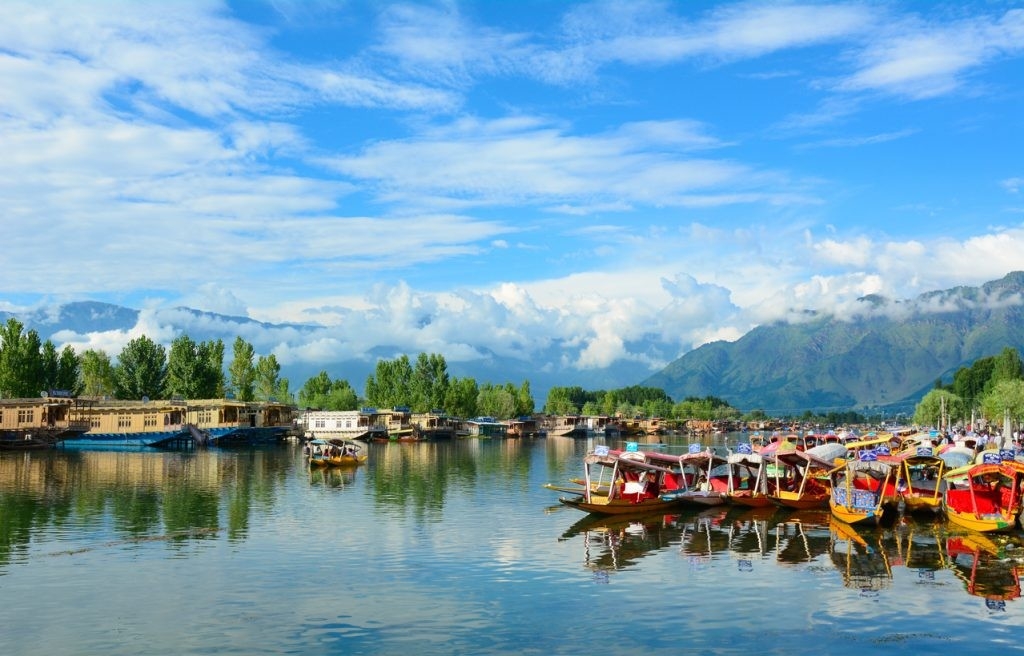
Among the three cities, Srinagar's proposal is centred around reviving the city's historic dependence on waterways. The planned network will utilise both the River Jhelum and Dal Lake, offering an alternative mode of transport for residents while easing pressure on the city's increasingly congested road network.
#Exclusive | From Dal Lake to Dakshineswar, Centre explores water metro routes in Srinagar, Guwahati and Kolkata, with Detailed Project Reports now underway
— News18 (@CNNnews18) June 24, 2026
Reported by: @AmanKayamHai_ https://t.co/SCeVc7oDBo pic.twitter.com/zfdmC0NuQA
During the feasibility stage, eleven locations have been identified along the River Jhelum. These include Pantha Chowk, Zero Bridge, Amira Kadal, Maharaj Gunj, Chhatabal, Sumbal, Hajin and Wular Lake, among other locations.
In addition, ten locations have been shortlisted on Dal Lake, including Nehru Park, Char Chinar, Nishat Garden, Shalimar Bagh, Naseem Bagh and the Hazratbal Shrine. If implemented, commuters and tourists could use ferries to travel across major parts of Srinagar, reducing travel time while improving connectivity.
Structured water metro planned for Kolkata
Kolkata, which already operates ferry services across the Hooghly River, could see these services transformed into a more organised urban water metro network.
Sixteen locations have been identified for the feasibility study. These include Babughat, Princep Ghat, Belur Math, Dakshineswar, Howrah Station Jetty, Bagbazar, Shovabazar and Shalimar Ghat.
The DPR will evaluate passenger traffic projections, identify suitable sites for terminals, recommend vessel specifications and determine the institutional framework required for operating the network efficiently.
Brahmaputra network proposed in Guwahati
In Guwahati, the proposed water metro aims to utilise the Brahmaputra River as an important public transport corridor.
Twelve locations have been shortlisted, including Gateway of Guwahati, Uzaan Bazar, Pandu Port, North Guwahati, IIT Guwahati, Sualkuchi and Palashbari.
One of the key proposals under study is water-based connectivity between Guwahati city and the airport, which could provide commuters with an alternative to road travel.
Apart from the water metro services, the Centre is also planning cruise terminals in all three cities.
The proposed cruise terminals will be developed along the Jhelum in Srinagar, the Brahmaputra in Guwahati and the Hooghly in Kolkata. These facilities are expected to support tourism, leisure travel and river-based recreational activities alongside regular commuter services.
Part of larger inland waterways push
The proposal forms part of the Centre's broader strategy to expand inland waterways as a sustainable mode of urban transportation. Inspired by the success of the Water Metro model in Kochi, policymakers are looking at rivers and lakes not only as tourist attractions but also as viable transport corridors capable of reducing road congestion, lowering emissions and improving urban mobility.
While the projects remain at the planning stage, the ongoing DPRs will determine whether water metro services are technically and financially viable in the three cities. If approved, the initiative could significantly reshape urban transport by bringing waterways back into the daily commuting network.