Nasrapur: A Blueprint For Judicial Reform
The significance of the Nasrapur verdict therefore extends well beyond one tragic crime. It has disproved the argument that swift justice is impossible in India
NewsBharati 30-Jun-2026 12:31:34 PM
Total Views |


The brutal rape and murder of a three-and-a-half-year-old girl in Maharashtra's Nasrapur village near Pune on May 1, 2026, was one of those crimes that shook the conscience of society. Such incidents often trigger public outrage, candlelight marches and demands for the harshest punishment. But, as days pass and public attention shifts elsewhere, another familiar feeling returns that the belief that justice in India moves painfully slowly and that the victim's family will spend years navigating an endless legal maze. The Nasrapur case has broken that perception.
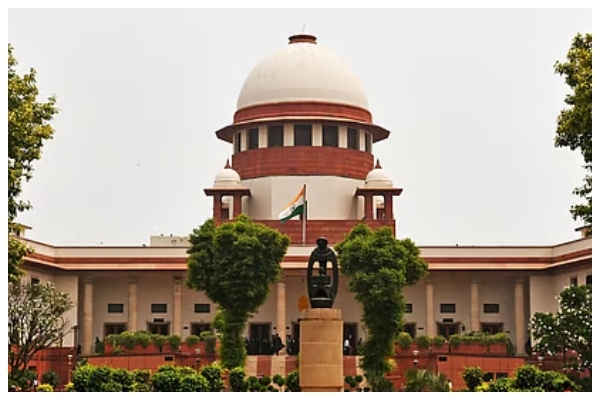 For decades, the Indian judiciary has been admired for its independence but criticised for its speed. Ordinary citizens often describe litigation as a battle that consumes years, savings and sometimes entire generations. It is not uncommon to hear stories of property disputes continuing for thirty or forty years or criminal trials outlasting both victims and accused. The phrase "justice delayed is justice denied" has become a painful reality for millions of Indians.
The numbers themselves are staggering. Today, more than five crore cases remain pending across the Supreme Court, High Courts and subordinate courts. Every year, new cases are added faster than old ones are disposed of. While many judges work under enormous pressure and dispose of hundreds of matters every month, the overall burden continues to rise because the system itself remains overstretched.
The reasons behind this backlog are neither mysterious nor new. Thousands of judicial posts remain vacant across different levels. Court infrastructure is inadequate in many districts. Judges often carry workloads far beyond global standards. Investigating agencies sometimes file incomplete investigations, leading to repeated hearings. Lawyers seek adjournments, witnesses turn hostile or fail to appear, forensic reports are delayed and procedural complexities prolong trials. Government departments themselves are among the country's biggest litigants, contributing substantially to the mounting pendency.
The judiciary has certainly not remained idle. During the last decade, important reforms have been introduced. The e-Courts project has digitised millions of case records. Virtual hearings, introduced on a large scale during the pandemic, have demonstrated that technology can substantially reduce delays. Electronic filing, online case tracking, digital service of notices and video conferencing have all modernised court administration. Fast-track courts have also been established for specific categories of offences. But these measures, though significant, have not fundamentally altered the speed at which justice reaches the ordinary citizen. Incremental reforms are no longer sufficient. India requires a structural transformation of judicial administration.
Technology must now become the backbone of judicial efficiency. It can assist judges and lawyers by organising precedents, summarising lengthy records and identifying relevant judgments within seconds. Intelligent case-management systems can automatically schedule hearings, monitor deadlines and reduce unnecessary adjournments. Digital evidence management can eliminate delays caused by physical documentation. Integrated databases linking police, prosecution, forensic laboratories and courts can ensure seamless movement of information without repeated paperwork.
 Equally important is the responsibility of governments. Judicial reforms cannot succeed unless adequate financial resources are provided. More courts must be established, judicial vacancies filled on priority, forensic laboratories strengthened, prosecutors trained and digital infrastructure expanded. Judicial efficiency is not merely the responsibility of judges; it is a national governance challenge requiring sustained cooperation between the judiciary, the executive and the legislature.
The significance of the Nasrapur verdict therefore extends well beyond one tragic crime. It has disproved the argument that swift justice is impossible in India. When the political leadership acts responsibly, when investigators work professionally, when prosecutors prepare diligently and when judges display institutional commitment, justice can indeed be delivered within weeks instead of decades.
The greatest tribute to the innocent child of Nasrapur would not be the death sentence awarded to the guilty. It would be ensuring that the same urgency, professionalism and coordination become the defining characteristics of India's justice delivery system. Pune has shown what is possible. The challenge before the nation is to transform an exceptional sixty-day trial into the ordinary experience of every citizen seeking justice. That alone will restore enduring faith in the rule of law.
The accused, 65-year-old Bhimrao Kamble, was arrested on the very day of the crime. The police completed their investigation with remarkable speed and filed the chargesheet on May 16. The fast-track court conducted day-to-day hearings, convicted the accused on June 25 and, on June 29, awarded the death sentence. The entire judicial process, starting from the crime to the trial court verdict, was completed in just sixty days. This is not merely a story of one conviction. It is a demonstration of what the Indian justice system is capable of achieving when every institution performs its constitutional duty with urgency and coordination.
Credit must therefore be shared across the system rather than concentrated on one institution alone. The investigating agency collected evidence quickly and professionally. The prosecution ensured that the case progressed without unnecessary delays. The judiciary accorded the matter the highest priority. Reports suggest that the presiding judge S R Salunkhe even cancelled the summer vacation to ensure that the trial continued uninterrupted. The political leadership also maintained constant oversight to ensure that no administrative bottlenecks slowed the process. This coordinated institutional response deserves appreciation because it restored something that has been steadily eroding in India public confidence in the justice delivery system.
ALSO READ: WATCH: Ruckus erupts at Mohali Gurudwara after attack attempt on Nihang Sikh Jasdeep Singh during welcome ceremony
The numbers themselves are staggering. Today, more than five crore cases remain pending across the Supreme Court, High Courts and subordinate courts. Every year, new cases are added faster than old ones are disposed of. While many judges work under enormous pressure and dispose of hundreds of matters every month, the overall burden continues to rise because the system itself remains overstretched.
The reasons behind this backlog are neither mysterious nor new. Thousands of judicial posts remain vacant across different levels. Court infrastructure is inadequate in many districts. Judges often carry workloads far beyond global standards. Investigating agencies sometimes file incomplete investigations, leading to repeated hearings. Lawyers seek adjournments, witnesses turn hostile or fail to appear, forensic reports are delayed and procedural complexities prolong trials. Government departments themselves are among the country's biggest litigants, contributing substantially to the mounting pendency.
The judiciary has certainly not remained idle. During the last decade, important reforms have been introduced. The e-Courts project has digitised millions of case records. Virtual hearings, introduced on a large scale during the pandemic, have demonstrated that technology can substantially reduce delays. Electronic filing, online case tracking, digital service of notices and video conferencing have all modernised court administration. Fast-track courts have also been established for specific categories of offences. But these measures, though significant, have not fundamentally altered the speed at which justice reaches the ordinary citizen. Incremental reforms are no longer sufficient. India requires a structural transformation of judicial administration.
Technology must now become the backbone of judicial efficiency. It can assist judges and lawyers by organising precedents, summarising lengthy records and identifying relevant judgments within seconds. Intelligent case-management systems can automatically schedule hearings, monitor deadlines and reduce unnecessary adjournments. Digital evidence management can eliminate delays caused by physical documentation. Integrated databases linking police, prosecution, forensic laboratories and courts can ensure seamless movement of information without repeated paperwork.
Technology, however, is only an enabler. The real reform lies in changing institutional culture. Every stakeholder in the justice delivery system must begin treating unnecessary delay as unacceptable rather than inevitable. Speed should never come at the cost of fairness or due process. Every accused deserves a fair trial, and every conviction must withstand appellate scrutiny. But fairness and efficiency are complementary values, not competing ones. A timely trial strengthens justice for both the victim and the accused.
ALSO READ: Ayush, who was 'converted' to Islam by Chandni Qureshi and family, embraces Hinduism again; says 'can't see parents in pain'
The significance of the Nasrapur verdict therefore extends well beyond one tragic crime. It has disproved the argument that swift justice is impossible in India. When the political leadership acts responsibly, when investigators work professionally, when prosecutors prepare diligently and when judges display institutional commitment, justice can indeed be delivered within weeks instead of decades.
The greatest tribute to the innocent child of Nasrapur would not be the death sentence awarded to the guilty. It would be ensuring that the same urgency, professionalism and coordination become the defining characteristics of India's justice delivery system. Pune has shown what is possible. The challenge before the nation is to transform an exceptional sixty-day trial into the ordinary experience of every citizen seeking justice. That alone will restore enduring faith in the rule of law.

Editor's Desk
Editor's Desk