India welcomes dissent and criticism, not defiance of the Constitution; how CJP is promoting anarchy to overthrow democracy
The Preamble to the Constitution promises a spirit of fraternity that safeguards both the dignity of the individual and the unity and integrity of the nation. Any movement that normalises abusive political language or fuels hostility weakens this foundational principle.
NewsBharati 04-Jun-2026 17:11:11 PM
Total Views |


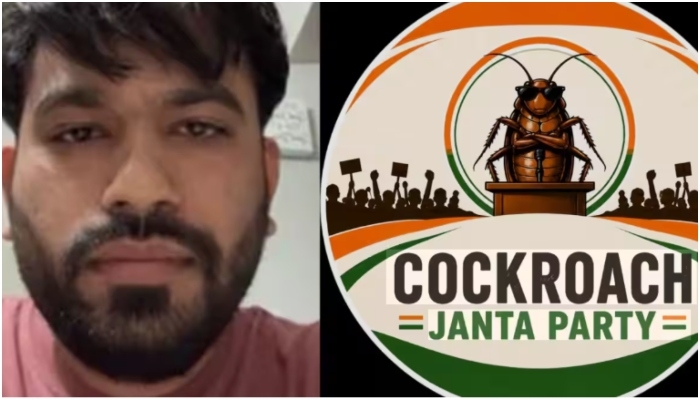
India’s democratic framework allows citizens to form associations, movements, and political organisations, as long as they function within the constitutional boundaries of the Republic. The so-called Cockroach Janata Party may present itself as a people’s movement or an anti-establishment campaign, but several aspects of its rhetoric and conduct raise serious constitutional and ethical concerns. Even if the group eventually seeks formal political recognition, its ideology and methods would struggle to align with the spirit and values of the Indian Constitution.
Article 51A further outlines the Fundamental Duties of citizens. Clause (e) calls upon every citizen to promote harmony and a spirit of common brotherhood that rises above religious, linguistic, and regional divisions. Clause (i) urges citizens to safeguard public property and reject violence. A movement that encourages hostility, glorifies disorder, or deliberately provokes institutions through inflammatory conduct stands in clear contradiction to these constitutional duties.
Even from an electoral standpoint, the possibility of the Cockroach Janata Party receiving official recognition as a political party appears remote. Under the Representation of the People Act, 1951, along with Election Commission guidelines, any party seeking registration must formally commit itself to the principles of the Constitution, including democracy, secularism, socialism, and the sovereignty, unity, and integrity of India. An organisation whose rhetoric or public messaging appears openly hostile to these constitutional values would inevitably face intense scrutiny.
India has witnessed countless protest movements since Independence, many of which strengthened democratic life in meaningful ways. The movements that endured, however, did so by operating within constitutional frameworks rather than questioning the legitimacy of the constitutional order itself. Dr. B. R. Ambedkar had himself warned against abandoning constitutional methods in favour of agitation-driven politics after democratic institutions had been established.
Supporters of such movements often invoke free speech to defend controversial slogans and confrontational rhetoric. Yet Indian constitutional jurisprudence has repeatedly affirmed that speech capable of provoking unrest, spreading hatred, or undermining institutional stability cannot claim absolute protection. Constitutional morality is not only about asserting rights; it also requires restraint, accountability, and democratic responsibility.
At its core, the Indian Constitution was designed to maintain a balance between liberty and order, criticism and accountability, dissent and national unity. Any organisation that places provocation above constructive democratic engagement risks drifting outside the constitutional mainstream. The Cockroach Janata Party may gain temporary visibility through outrage and confrontation, but such tactics are unlikely to translate into constitutional legitimacy or lasting democratic acceptance.
India’s democracy has always accommodated criticism, protest, and dissent. What it cannot sustain, however, are movements that erode fraternity, weaken public trust in institutions, or disregard the constitutional discipline that binds the Republic together. In the long run, political credibility in India is not built through sensationalism or perpetual agitation. It is earned through respect for democratic values, national unity, and the constitutional framework that holds the nation together.
The Constitution guarantees freedom of speech and expression under Article 19(1)(a), along with the right to form associations under Article 19(1)(c). These rights form the bedrock of India’s democratic structure. Yet they are not absolute. Article 19(2) permits the State to impose reasonable restrictions in the interests of public order, decency, morality, defamation, and the sovereignty and integrity of India. No organisation operating in the public sphere can use constitutional freedoms as a shield to spread hatred, undermine institutions, or provoke social unrest.
One of the central concerns surrounding the Cockroach Janata Party is the language and symbolism it has chosen to embrace. The deliberate use of the word “cockroach” in political discourse has drawn criticism because such dehumanising terminology has historically been linked to social division, hatred, and extremist movements. Democracy certainly allows dissent, criticism, and sharp political disagreement, but reducing individuals, communities, or opponents to degrading labels runs against the constitutional values of fraternity and human dignity.
The Preamble to the Constitution promises a spirit of fraternity that safeguards both the dignity of the individual and the unity and integrity of the nation. Any movement that normalises abusive political language or fuels hostility weakens this foundational principle. Indian democracy was built on argument and debate, not dehumanisation and contempt.
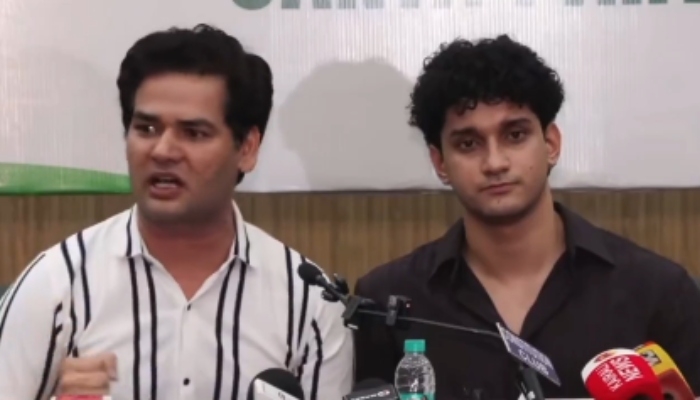
VIDEO | Delhi: Investigative journalist Saurav Das, who is serving as chief spokesperson of Cockroach Janta Party (CJP) addressing a press conference says, "Abhijeet Dipke will land in Delhi on June 6 morning at 8 AM. He has called upon his supporters to come to the airport and… pic.twitter.com/tnEc0eeyht
— Press Trust of India (@PTI_News) June 3, 2026
Article 51A further outlines the Fundamental Duties of citizens. Clause (e) calls upon every citizen to promote harmony and a spirit of common brotherhood that rises above religious, linguistic, and regional divisions. Clause (i) urges citizens to safeguard public property and reject violence. A movement that encourages hostility, glorifies disorder, or deliberately provokes institutions through inflammatory conduct stands in clear contradiction to these constitutional duties.
The Supreme Court has repeatedly held that freedom of expression does not include the right to incite violence or disturb public order. In cases involving hate speech and inflammatory political mobilisation, the judiciary has consistently emphasised that constitutional rights must be exercised alongside constitutional responsibilities. During the recent plea filed against the CJP, Chief Justice Surya Kant also remarked that there was no need to treat the mass movement with “excessive sentimentality”.
Even from an electoral standpoint, the possibility of the Cockroach Janata Party receiving official recognition as a political party appears remote. Under the Representation of the People Act, 1951, along with Election Commission guidelines, any party seeking registration must formally commit itself to the principles of the Constitution, including democracy, secularism, socialism, and the sovereignty, unity, and integrity of India. An organisation whose rhetoric or public messaging appears openly hostile to these constitutional values would inevitably face intense scrutiny.
Recognition as a political party requires far more than catchy slogans or a strong social media presence. Any serious political organisation must demonstrate a functioning structure, internal accountability, lawful conduct, and a genuine commitment to the electoral process. At present, most observers view the Cockroach Janata Party less as a credible democratic institution and more as a disruptive protest movement. Such movements may attract public attention for a time, but constitutional democracy ultimately rests on discipline, responsibility, and respect for institutions.
India has witnessed countless protest movements since Independence, many of which strengthened democratic life in meaningful ways. The movements that endured, however, did so by operating within constitutional frameworks rather than questioning the legitimacy of the constitutional order itself. Dr. B. R. Ambedkar had himself warned against abandoning constitutional methods in favour of agitation-driven politics after democratic institutions had been established.
Concerns become even more serious when political mobilisation begins encouraging hostility between communities or openly insulting social groups.
Supporters of such movements often invoke free speech to defend controversial slogans and confrontational rhetoric. Yet Indian constitutional jurisprudence has repeatedly affirmed that speech capable of provoking unrest, spreading hatred, or undermining institutional stability cannot claim absolute protection. Constitutional morality is not only about asserting rights; it also requires restraint, accountability, and democratic responsibility.
At its core, the Indian Constitution was designed to maintain a balance between liberty and order, criticism and accountability, dissent and national unity. Any organisation that places provocation above constructive democratic engagement risks drifting outside the constitutional mainstream. The Cockroach Janata Party may gain temporary visibility through outrage and confrontation, but such tactics are unlikely to translate into constitutional legitimacy or lasting democratic acceptance.
India’s democracy has always accommodated criticism, protest, and dissent. What it cannot sustain, however, are movements that erode fraternity, weaken public trust in institutions, or disregard the constitutional discipline that binds the Republic together. In the long run, political credibility in India is not built through sensationalism or perpetual agitation. It is earned through respect for democratic values, national unity, and the constitutional framework that holds the nation together.

Siddhi Somani
Siddhi Somani is known for her satirical and factual hand in Economic, Social and Political writing. Having completed her post graduation in Journalism, she is currently engaged in completing her Masters in Politics. The author meanwhile is also exploring her hand in analytics and statistics.