Rahul Gandhi: A lapata LOP
NewsBharati 13-Jul-2026 14:38:05 PM
Total Views |


A democracy survives not merely because it has a government, but because it has an opposition that is vigilant, visible and constantly engaged. India today has a government with a commanding mandate. It also has a Leader of the Opposition, who occupies a constitutional office carrying immense responsibility. That is precisely why Rahul Gandhi's repeated foreign visits and the postponement of Congress programmes because of his absence deserve serious political scrutiny, not casual dismissal.
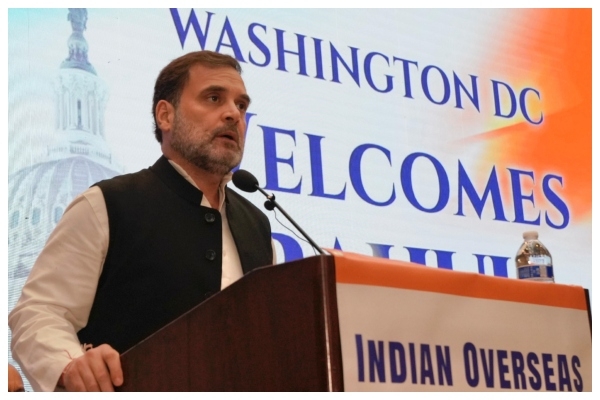
The immediate trigger is telling. Congress was forced to postpone its nationwide 'Chhatron Ki Goonj' campaign after Rahul Gandhi reportedly extended his foreign visit. Student programmes scheduled in Prayagraj, Patna and Delhi were put on hold because the party's principal campaigner was unavailable. Students rally was to be held to protest against paper leaks and competitive examinations. But the agitation was suspended, not because the issue had disappeared, but because the leader had.
The question is not whether Rahul Gandhi has the right to travel abroad. Every citizen does. The question is whether the Leader of the Opposition can repeatedly remain unavailable while expecting the country to view it as routine. Public office inevitably limits private convenience. The higher the office, the greater the expectation of accountability.
This is hardly an isolated incident. Over the years, Rahul Gandhi's foreign visits have frequently attracted attention because they often coincide with Parliament sessions, election campaigns or major political developments. Equally striking has been the absence of detailed public information regarding several of these visits. Unlike official government visits, which are announced with clear agendas, Rahul Gandhi's foreign trips have at times been described only in broad terms as personal engagements or lectures abroad. While there is no legal obligation to disclose every private itinerary, repeated opacity naturally fuels political criticism.The larger issue, however, is not Rahul Gandhi alone. It is the Congress party itself.
The Congress once produced leaders from every corner of India. Many rose through organisational work, ideological commitment and public service. Today, however, the party increasingly appears structured around dynastic centrality. Leadership is neither decentralised nor organically nurtured. State leaders often wait for approval from Delhi. National campaigns revolve around one surname. Even routine political programmes acquire meaning only when a member of the Gandhi family is present.
Unfortunately, repeated interruptions caused by leadership absences weaken that democratic balance. Instead of discussing issues, political discourse shifts to one recurring question: "Where is Rahul Gandhi?" No Opposition party should allow its political narrative to become hostage to the travel schedule of a single individual.
Congress, regrettably, presents the opposite picture.A democracy survives not merely because it has a government, but because it has an Opposition that is vigilant, visible and constantly engaged. India today has a government with a commanding mandate. It also has a Leader of the Opposition who occupies a constitutional office carrying immense responsibility. That is precisely why Rahul Gandhi's repeated foreign visits and the postponement of Congress programmes because of his absence deserve serious political scrutiny, not casual dismissal.
The immediate trigger is telling. Congress was forced to postpone its nationwide 'Chhatron Ki Goonj' campaign after Rahul Gandhi reportedly extended his foreign visit. Student programmes scheduled in Prayagraj, Patna and Delhi were put on hold because the party's principal campaigner was unavailable. The issue itself paper leaks, competitive examinations and the future of millions of students could hardly have been more important. Yet the agitation was suspended, not because the issue had disappeared, but because the leader had.
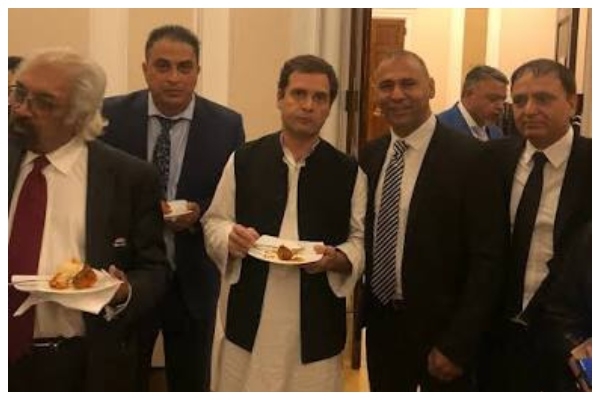
The question is not whether Rahul Gandhi has the right to travel abroad. Every citizen does. The question is whether the Leader of the Opposition can repeatedly remain unavailable at politically crucial moments while expecting the country to view it as routine. Public office inevitably limits private convenience. The higher the office, the greater the expectation of accountability.
This is hardly an isolated incident. Over the years, Rahul Gandhi's foreign visits have frequently attracted attention because they often coincide with Parliament sessions, election campaigns or major political developments. Equally striking has been the absence of detailed public information regarding several of these visits. Unlike official government visits, which are announced with clear agendas, Rahul Gandhi's foreign trips have at times been described only in broad terms as personal engagements or lectures abroad. While there is no legal obligation to disclose every private itinerary, repeated opacity naturally fuels political criticism.The larger issue, however, is not Rahul Gandhi alone. It is the Congress party itself.
The postponement of an entire nationwide campaign because one individual is unavailable reveals the extraordinary dependence of Congress on a single family. A national political party with a history spanning well over a century should possess dozens of leaders capable of leading agitations, addressing rallies and inspiring workers. Instead, organisational activity appears to pause until the Gandhi family returns.That is not institutional strength. It is an institutional weakness.
The Congress once produced towering leaders from every corner of India. Many rose through organisational work, ideological commitment and public service. Today, however, the party increasingly appears structured around dynastic centrality. Leadership is neither decentralised nor organically nurtured. State leaders often wait for approval from Delhi. National campaigns revolve around one surname. Even routine political programmes acquire meaning only when a member of the Gandhi family is present.
India requires a strong Opposition. Governments become more accountable when challenged by a credible alternative. Parliament functions better when debates are robust. Public grievances receive greater attention when Opposition leaders consistently engage with people on the ground. A democracy benefits from disagreement—but only when the Opposition is fully present.
Unfortunately, repeated interruptions caused by leadership absences weaken that democratic balance. Instead of discussing unemployment, inflation, education or governance, political discourse shifts to one recurring question: "Where is Rahul Gandhi?" No Opposition party should allow its political narrative to become hostage to the travel schedule of a single individual.
The contrast with cadre-based political organisations is equally instructive. Whether one agrees with their ideology or not, parties built upon organisational structures rather than family inheritance continue functioning regardless of whether one leader is present or absent. Responsibilities are delegated. Leadership is distributed. Campaigns continue uninterrupted. Institutions matter more than personalities.
The Leader of the Opposition occupies a constitutional position because democracy expects him to constantly question the government, mobilise public opinion and offer an alternative vision. Frequent absences, programme cancellations and organisational paralysis undermine that responsibility. They also reinforce the perception that Congress remains more invested in preserving dynastic leadership than rebuilding itself as a vibrant national movement.
ALSO READ: Jaipur school CCTV footage reignites questions over class 4 student's death
Its continuing attachment to dynastic politics has prevented the emergence of a broad-based second line of leadership. Talented leaders have either departed, been marginalised or remain overshadowed by the inevitability of hereditary leadership. The result is a party that struggles to convince even its own supporters that it has moved beyond the politics of entitlement.
Ultimately, this debate is not about foreign travel. It is about political priorities.
The Leader of the Opposition occupies a constitutional position because democracy expects him to constantly question the government, mobilise public opinion and offer an alternative vision. Frequent absences, programme cancellations and organisational paralysis undermine that responsibility. They also reinforce the perception that Congress remains more invested in preserving dynastic leadership than rebuilding itself as a vibrant national movement.

Editor's Desk
Editor's Desk