Dating: Forbes confirms what Indian wisdom already knew
NewsBharati 10-Aug-2026 12:46:21 PM
Total Views |


The modern dating culture presents a striking paradox as people are looking for love but increasingly tired of the very process through which they hope to find it. A Forbes Health report based on Match's 2025 Singles in America survey of 5,000 single people provides revealing statistics. Forty-six per cent of singles said they were ready for a long-term relationship, but 53 per cent reported dating burnout and 46 per cent had taken breaks from dating to recharge. Further, 63 per cent said there was greater passivity in making the first move, reflecting uncertainty about changing relationship dynamics and gender roles. Forty-one per cent believed romantic media had created unrealistic expectations about love. And in perhaps the most extraordinary development, 16 per cent said they had interacted with AI as a romantic companion, rising to 33 per cent among Gen Z.

These are American figures, but the phenomenon they reveal deserves attention in India too. Dating has increasingly become a cultural aspiration among sections of the urban young. The issue is not that young people seek love or companionship. That is entirely natural. The issue is whether a culture built around instant attraction, endless choice and minimal commitment can produce the emotional maturity necessary for a lasting relationship. Modern dating has increasingly borrowed the logic of consumerism. A person appears on a screen as a photograph, profile and list of preferences. One swipes right or left. Conversation begins instantly and can disappear just as quickly. If a person seems inconvenient, another option is only a swipe away. This creates an illusion of abundance but can produce emotional insecurity.
Human beings, however, are not commodities. A relationship cannot be evaluated like an online purchase, where dissatisfaction simply leads to a return or replacement. Two individuals inevitably bring different personalities, expectations, weaknesses and family backgrounds. A meaningful relationship requires patience precisely because the other person is not a customised product. This is where Indian civilisational thought offers a fundamentally different understanding.
Indian civilisation has never rejected love, attraction or desire. Kama is explicitly recognised as one of the four purusharthas dharma, artha, kama and moksha. But desire was never allowed to become the sole organising principle of human life. Kama existed within the larger discipline of dharma. That distinction is vital. The modern dating culture often begins with the question - What do I want from this relationship? The Indian approach asks a more demanding question - What responsibility do I have towards the person with whom I have entered into this relationship? The shift from desire to responsibility is what gives love permanence.
ALSO READ: West Bengal tea farmer abducted from plantation near border, taken into Bangladesh, details
The central weakness of dating culture is that it can encourage people to seek the pleasures of intimacy without developing the maturity required for intimacy. Love demands patience. Swipe culture encourages instant judgement. Marriage demands adjustment. Dating culture encourages replacement.
The Forbes finding that 53 per cent of singles experience dating burnout and 46 per cent take breaks to recharge is therefore particularly significant. The exhaustion is not necessarily caused by the absence of potential partners; it may be caused by the manner in which relationships are being pursued. The 41 per cent who believe romantic media have created unrealistic expectations point towards another problem. Films, television and social media frequently present romance as permanent excitement, dramatic gestures and effortless emotional compatibility. Real life is different. The strongest relationships are often built through ordinary routines, mutual adjustment and standing together when life becomes difficult.
The most disturbing development is perhaps the growing attraction towards AI companions. Forbes reports that 16 per cent of singles have interacted with AI as a romantic companion, with the figure reaching 33 per cent among Gen Z. Why would a person prefer an artificial companion? The answer is uncomfortable. A machine is convenient. It does not argue, demand adjustment or challenge one's preferences. It can be programmed to listen, respond sympathetically and remain available. But that convenience exposes the shallowness of the arrangement.
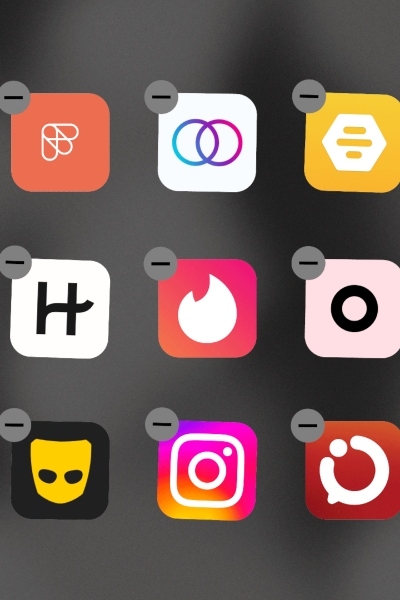
This is why India need not blindly imitate every Western cultural trend in the name of modernity. Modern technology can be embraced without abandoning civilisational wisdom. Dating applications may help two people meet but they cannot teach them how to remain together. Social media can create attraction. It cannot create commitment. Artificial intelligence can imitate conversation. It cannot replace companionship rooted in shared human experience. The answer, therefore, is not to lecture young Indians against love. It is to remind them that love is more demanding than attraction and much deeper than dating.
ALSO READ: Jharkhand protest: Students walk towards Vidhan Sabha amid heavy security 'arrangements', dangerous barricades
Indian civilization has an answer that is neither anti-modern nor anti-love. It simply expects that desire must be guided by dharma, affection must mature into responsibility, and freedom must be accompanied by commitment. Dating may offer endless choices. Love demands the maturity to make a choice and stand by it.

Editor's Desk
Editor's Desk