The Waqf debate that exposed Keralam’s Competitive and Extremists Muslim Politics
NewsBharati 19-Aug-2026 12:35:00 PM
Total Views |


One of the issues that has received the most attention in Kerala’s public discourse over the past few years is the Waqf Amendment Act, 2025, introduced by the BJP government on 2 April 2025, and the controversies surrounding it.
In the public discussion on the Waqf issue, political emotions have received greater importance than meaningful discussions on legal and administrative facts. These developments had raised serious concerns regarding the security of India, particularly Kerala, religious harmony, and the social and economic sectors. The amendments introduced by the Central Government were measures aimed at strengthening transparency in legislation and the discharge of constitutional responsibilities.
However, by the 1990s, the one-sided Islamic political environment centred around the Muslim League and the Malabar-based Islamic scholarly organisations that supported it began to change. As a result of the influence of other Islamic leaders such as Abdul Nasser Mahdani, another centre of power emerged in addition to the traditional Islamic scholarly community that supported the Muslim League. These forces displayed greater religious radicalism than the scholarly community mentioned earlier.
They were able to strengthen themselves by generating intense political and religious sentiments among Muslims against the Sri Ram Janmabhoomi movement. This phenomenon was also widely reflected in Kerala. Moreover, while the Muslim League’s religious vote-bank influence was primarily concentrated in Malabar, particularly in Malappuram district, these new forces were able to strengthen Muslim vote-bank politics, at least to a limited extent, in different parts of Kerala.
Thus, as part of the appeasement politics of both fronts, two types of Muslim political forces became influential in Kerala. Although the two groups appeared to be competing with each other, they often operated together when it came to securing certain specific interests of the Muslim religious community.
The Muslim political forces decided that the administration and wealth of the Waqf Board should be effectively used for their political growth and to increase their influence within the religious community. However, the Muslim League, which had maintained for decades an image of being a moderate Muslim political force with a cooperative attitude towards people of other religions, had certain political limitations in directly involving itself in such matters.
Therefore, a section of Muslim political forces decided to use the more radical religious-political force on the other side to turn Waqf into an instrument of their religious politics. This was how some individuals with a background in the Popular Front and SDPI came together to form the Waqf Protection Committee.
The victories and defeats of Kerala’s two major political fronts are often decided by narrow margins. In closely contested constituencies, extremist Muslim religious-political forces have, according to this assessment, acquired the ability to influence significant numbers of votes. When the support of the Muslim League was unavailable, the LDF increasingly relied on this vote bank. At the same time, the CPI(M) understood that openly depending on such forces could provoke a reaction among Kerala’s Hindu voters. Therefore, instead of a formal alliance, a strategy of obtaining their support indirectly and secretly was developed.
These forces also understood that openly displaying their political strength could trigger a Hindu political reaction and eventually weaken not only themselves but also the Muslim League. Hence, they preferred secret support, followed by political bargaining with the government to secure their interests. According to this argument, this strategy contributed to the defeat of the UDF government led by Oommen Chandy in 2011 and the subsequent return of the LDF under Pinarayi Vijayan.
During Pinarayi Vijayan’s first government, several incidents allegedly indicated indirect influence over government administration, particularly in the police and security sectors. The argument is that individuals favourable to these forces were able to secure important positions, obtain information about government actions and use their influence to advance religious and political interests. Even after some CPI(M) leaders and cadres became aware of these developments, they were allegedly unable to act effectively. Political bargaining and relationships with influential families were also allegedly used to strengthen this network.
The 2019 Lok Sabha election marked a major change in strategy. Although the CPI(M) remained a significant political force in Kerala, these forces recognised that Congress was the only party capable of challenging the BJP at the national level. Consequently, their strategy differed from that of the 2011 Assembly election. The UDF won 19 of Kerala’s 20 Lok Sabha seats, with the LDF winning only Alappuzha. According to this assessment, the presence of A. M. Ariff, a Muslim CPI(M) candidate, was an important factor in retaining this seat.
Another important element was the Sabarimala controversy. Public anger against the Pinarayi Vijayan government and the CPI(M) over the entry of young women into Sabarimala was widely considered a major reason for the LDF’s electoral setback. At the same time, Ariff’s public acceptance of a photograph of Lord Ayyappa at an election venue was widely circulated. After his victory, a narrative emerged that his respect towards Ayyappa had contributed to his success. According to this argument, this helped conceal the larger political calculations behind the election.
The argument further alleges that sections of the Kerala media, including journalists accused of having financial or ideological connections with such forces, helped counter public criticism and prevent wider discussion of these political relationships. However, changing circumstances convinced extremist Islamic forces that they needed an independent political platform. This contributed to the emergence of the Social Democratic Party of India (SDPI).
A major setback to the Popular Front came from the Central Government, which banned the PFI and its affiliated organisations and initiated strong action against them. This significantly restricted the organisation’s ability to operate openly or bargain directly with the LDF government. Former PFI cadres and local leaders subsequently entered other political spaces, including the CPI(M), while attempting to preserve their influence.
The strategy was to combine the Muslim League’s established vote base with the influence of other Muslim political forces and use the weakened Congress-led UDF as a vehicle for greater political influence. According to this assessment, this was the strategy adopted during the 2026 Kerala Assembly election. The resulting political success was publicly attributed largely to anti-incumbency and public anger against the Pinarayi government, while the underlying strength of these Muslim political forces was allegedly demonstrated privately to the political establishment.
One recent example cited in this context concerns the controversy surrounding the recitation of Vande Mataram in schools on Independence Day. The claim is that political pressure influenced the government’s position on the issue, including the circulation of instructions to schools concerning its recitation. This is presented as evidence of the growing influence of these forces over government decisions.
The broader concern raised by this assessment is that the increasing political bargaining power of extremist religious forces could influence administrative decisions, political alliances and public policy in Kerala. The possibility of such forces becoming more openly involved in extremist or terrorist activities is also presented as a future security concern.
Therefore, the argument calls for greater vigilance from political parties, government institutions and the wider public regarding the growing influence of extremist religious-political networks, while ensuring that concerns over national security, constitutional values and social harmony are addressed through lawful and democratic means.
In the public discussion on the Waqf issue, political emotions have received greater importance than meaningful discussions on legal and administrative facts. These developments had raised serious concerns regarding the security of India, particularly Kerala, religious harmony, and the social and economic sectors. The amendments introduced by the Central Government were measures aimed at strengthening transparency in legislation and the discharge of constitutional responsibilities.
Initially, Waqf was an issue associated exclusively with Islam. Therefore, the Indian Union Muslim League was the only major political force within Kerala’s Muslim community and its principal instrument for political bargaining. This political system controlled Waqf properties in Kerala by using its religious and political influence.
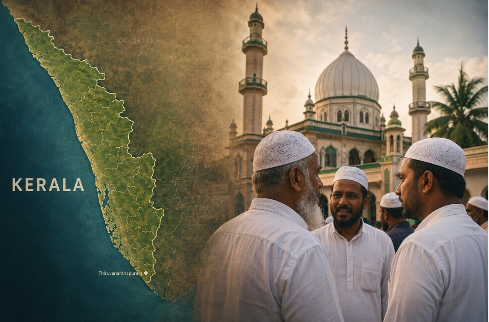
Representative Image (AI Generated)
However, by the 1990s, the one-sided Islamic political environment centred around the Muslim League and the Malabar-based Islamic scholarly organisations that supported it began to change. As a result of the influence of other Islamic leaders such as Abdul Nasser Mahdani, another centre of power emerged in addition to the traditional Islamic scholarly community that supported the Muslim League. These forces displayed greater religious radicalism than the scholarly community mentioned earlier.
They were able to strengthen themselves by generating intense political and religious sentiments among Muslims against the Sri Ram Janmabhoomi movement. This phenomenon was also widely reflected in Kerala. Moreover, while the Muslim League’s religious vote-bank influence was primarily concentrated in Malabar, particularly in Malappuram district, these new forces were able to strengthen Muslim vote-bank politics, at least to a limited extent, in different parts of Kerala.
The Marxist Party had attempted to bring the Muslim League, which had traditionally remained firmly aligned with the Congress and had achieved political gains through alliances based on its vote-bank strength, into its fold. However, this could not be fully achieved because of opposition at the social level as well as within the party. As an alternative, the CPI(M) attempted to bring the newer and more radical Muslim political forces into its fold.
Thus, as part of the appeasement politics of both fronts, two types of Muslim political forces became influential in Kerala. Although the two groups appeared to be competing with each other, they often operated together when it came to securing certain specific interests of the Muslim religious community.
The Muslim political forces decided that the administration and wealth of the Waqf Board should be effectively used for their political growth and to increase their influence within the religious community. However, the Muslim League, which had maintained for decades an image of being a moderate Muslim political force with a cooperative attitude towards people of other religions, had certain political limitations in directly involving itself in such matters.
Therefore, a section of Muslim political forces decided to use the more radical religious-political force on the other side to turn Waqf into an instrument of their religious politics. This was how some individuals with a background in the Popular Front and SDPI came together to form the Waqf Protection Committee.
Their first major test was the Waqf claim relating to the land at Munambam. They raised Waqf claims over properties belonging to people of other faiths and exerted pressure on the Kerala Waqf Board to implement them. Using what were alleged to be unjust and discriminatory provisions in the existing Waqf law, along with their political bargaining capacity with the LDF government in Kerala, they were accused of denying the rights of the majority Hindu and Christian communities who were the actual claimants to the properties at Munambam, disrupting their lives, and subjecting their rights to prolonged court proceedings.
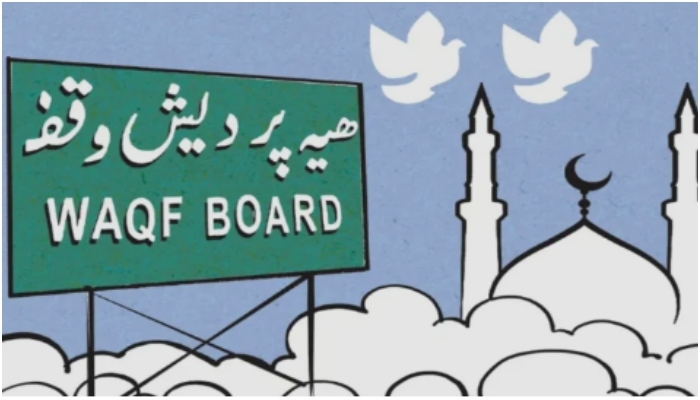
Representative Image (AI Generated)
The victories and defeats of Kerala’s two major political fronts are often decided by narrow margins. In closely contested constituencies, extremist Muslim religious-political forces have, according to this assessment, acquired the ability to influence significant numbers of votes. When the support of the Muslim League was unavailable, the LDF increasingly relied on this vote bank. At the same time, the CPI(M) understood that openly depending on such forces could provoke a reaction among Kerala’s Hindu voters. Therefore, instead of a formal alliance, a strategy of obtaining their support indirectly and secretly was developed.
These forces also understood that openly displaying their political strength could trigger a Hindu political reaction and eventually weaken not only themselves but also the Muslim League. Hence, they preferred secret support, followed by political bargaining with the government to secure their interests. According to this argument, this strategy contributed to the defeat of the UDF government led by Oommen Chandy in 2011 and the subsequent return of the LDF under Pinarayi Vijayan.
V. S. Achuthanandan, then a senior CPI(M) leader and former Chief Minister, had publicly warned about the growth of extremist Islamic forces in Kerala and their possible consequences for society, national security and sovereignty, even travelling to Delhi and holding press conferences on the issue. However, amid factional politics within the Marxist party, he was kept away from power. This, according to the assessment, demonstrated the political influence these forces had developed.
During Pinarayi Vijayan’s first government, several incidents allegedly indicated indirect influence over government administration, particularly in the police and security sectors. The argument is that individuals favourable to these forces were able to secure important positions, obtain information about government actions and use their influence to advance religious and political interests. Even after some CPI(M) leaders and cadres became aware of these developments, they were allegedly unable to act effectively. Political bargaining and relationships with influential families were also allegedly used to strengthen this network.
The 2019 Lok Sabha election marked a major change in strategy. Although the CPI(M) remained a significant political force in Kerala, these forces recognised that Congress was the only party capable of challenging the BJP at the national level. Consequently, their strategy differed from that of the 2011 Assembly election. The UDF won 19 of Kerala’s 20 Lok Sabha seats, with the LDF winning only Alappuzha. According to this assessment, the presence of A. M. Ariff, a Muslim CPI(M) candidate, was an important factor in retaining this seat.
Another important element was the Sabarimala controversy. Public anger against the Pinarayi Vijayan government and the CPI(M) over the entry of young women into Sabarimala was widely considered a major reason for the LDF’s electoral setback. At the same time, Ariff’s public acceptance of a photograph of Lord Ayyappa at an election venue was widely circulated. After his victory, a narrative emerged that his respect towards Ayyappa had contributed to his success. According to this argument, this helped conceal the larger political calculations behind the election.
Following the 2019 election, the CPI(M) reportedly recognised the growing political challenge posed by the Popular Front of India (PFI) and its potential impact on the party’s Hindu vote base. However, PFI had already developed influence from the grassroots to sections of the middle and state-level leadership, creating a significant bargaining position. Cases such as the attack in which Professor T. J. Joseph’s hand was severed and the killing of SFI activist Abhimanyu at Maharaja’s College became major incidents through which the public could observe the conflict involving extremist networks.
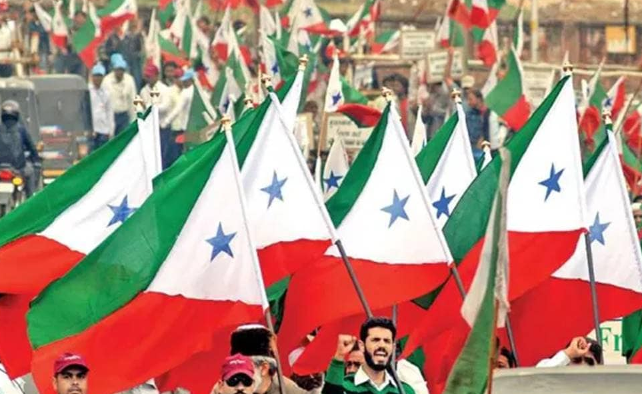
PFI was banned in 2024
The argument further alleges that sections of the Kerala media, including journalists accused of having financial or ideological connections with such forces, helped counter public criticism and prevent wider discussion of these political relationships. However, changing circumstances convinced extremist Islamic forces that they needed an independent political platform. This contributed to the emergence of the Social Democratic Party of India (SDPI).
A major setback to the Popular Front came from the Central Government, which banned the PFI and its affiliated organisations and initiated strong action against them. This significantly restricted the organisation’s ability to operate openly or bargain directly with the LDF government. Former PFI cadres and local leaders subsequently entered other political spaces, including the CPI(M), while attempting to preserve their influence.
When PFI could no longer operate openly and SDPI had not yet achieved sufficient political strength or acceptance, Jamaat-e-Islami became more prominent. To distance itself from the earlier organisations, it established the Welfare Party as a political platform. These forces then shifted their political preference from the LDF towards the UDF, particularly as anti-incumbency against the Pinarayi Vijayan government increased.
The strategy was to combine the Muslim League’s established vote base with the influence of other Muslim political forces and use the weakened Congress-led UDF as a vehicle for greater political influence. According to this assessment, this was the strategy adopted during the 2026 Kerala Assembly election. The resulting political success was publicly attributed largely to anti-incumbency and public anger against the Pinarayi government, while the underlying strength of these Muslim political forces was allegedly demonstrated privately to the political establishment.
One recent example cited in this context concerns the controversy surrounding the recitation of Vande Mataram in schools on Independence Day. The claim is that political pressure influenced the government’s position on the issue, including the circulation of instructions to schools concerning its recitation. This is presented as evidence of the growing influence of these forces over government decisions.
The broader concern raised by this assessment is that the increasing political bargaining power of extremist religious forces could influence administrative decisions, political alliances and public policy in Kerala. The possibility of such forces becoming more openly involved in extremist or terrorist activities is also presented as a future security concern.
Therefore, the argument calls for greater vigilance from political parties, government institutions and the wider public regarding the growing influence of extremist religious-political networks, while ensuring that concerns over national security, constitutional values and social harmony are addressed through lawful and democratic means.

Amarnad TG
Amarnad TG
(Kochi-based researcher, focusing on Kerala’s socio-political developments, minority politics, and contemporary public affairs)
(Kochi-based researcher, focusing on Kerala’s socio-political developments, minority politics, and contemporary public affairs)