Mr Rahul, please look at patriarchy in your own house
Total Views |


Rahul Gandhi has discovered a powerful political word - patriarchy. He uses it to explain inequality, social hierarchy and the disadvantages allegedly suffered by Indian women. He speaks about structures of power, about men occupying positions of authority and about women being denied equal space. But there is an inconvenient place where Rahul Gandhi should conduct this examination before lecturing the country: his own family history.
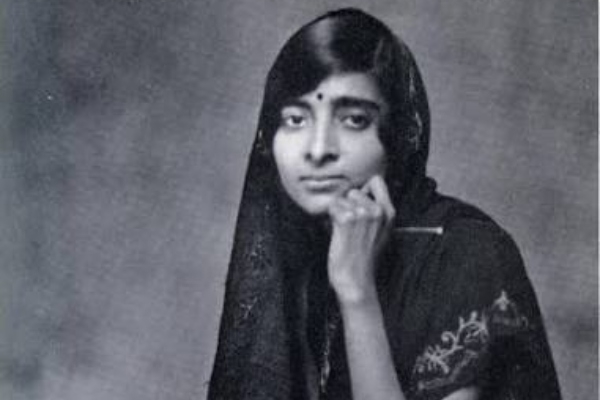 Consider Kamala Nehru. She was not merely Jawaharlal Nehru's wife. She participated in the freedom movement, faced imprisonment and played a role in nationalist mobilisation. Yet the historical narrative of the household became overwhelmingly the story of Jawaharlal. He became the political giant. She remained “Kamala Nehru” — primarily remembered through her relationship to him. That is precisely the kind of historical invisibility Rahul Gandhi claims to oppose. If a woman's contribution is absorbed into the biography of her husband while the man's career becomes the family's defining narrative, what is that if not a question worth asking about patriarchal structures?
Then there was Vijaya Lakshmi Pandit, Jawaharlal's sister. She was no ordinary political figure. She participated in the freedom struggle, served as a diplomat and became the first woman President of the United Nations General Assembly. She possessed credentials that few politicians could match.
Yet the central political inheritance of the family did not pass through her. It passed from Jawaharlal to his daughter Indira and subsequently through Indira's descendants. That distinction matters. The family had accomplished women. It had influential women. It had internationally respected women.
But political succession followed a remarkably narrow family line.
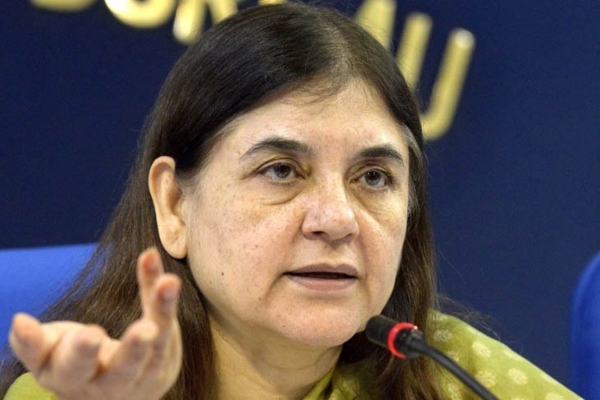 Maneka Gandhi provides another revealing chapter. She married Sanjay Gandhi and entered public life. After his death, however, her relationship with Indira Gandhi broke down, and Maneka eventually established an independent political career outside the Congress establishment. Her trajectory is important because it demonstrates that being a woman within the family did not automatically mean being part of the family's central political establishment. The Nehru-Gandhi story therefore cannot simply be reduced to “women were oppressed.” It is more complicated. Women could become powerful but political legitimacy remained closely tied to family relationships and the accepted line of succession.
Sonia Gandhi: The Widow Becomes the Political Centre
After Rajiv Gandhi's assassination, Sonia stayed away from active politics for years. Eventually she entered politics and became Congress president, remaining at the centre of the party for a prolonged period. Again, a woman reached the top. But look at the mechanism through which the family continued to reproduce political authority.
Jawaharlal's daughter became Prime Minister. Indira's son became Prime Minister. Rajiv's widow became the Congress's central political authority. And then came Rajiv's children. This is not a straightforward story of male domination. It is a story of political power remaining concentrated within a family while gender interacted with that inheritance in complicated ways.
And that brings us to Rahul and Priyanka. Here the patriarchy argument becomes especially uncomfortable.
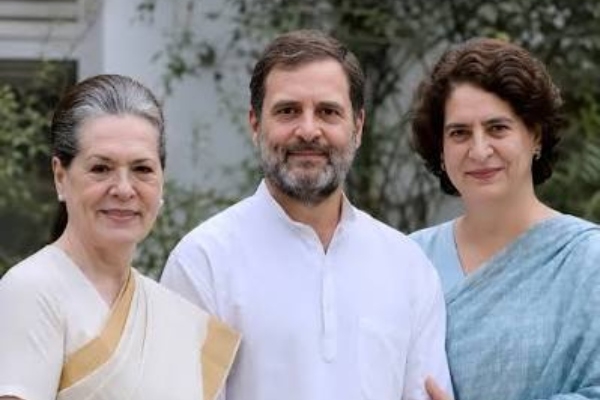
Rahul Gandhi and Priyanka Gandhi Vadra are siblings. Both carry the Rajiv-Sonia Gandhi political inheritance. Both possess the Gandhi name. Both have been prominent campaigners. But the Congress's national political succession overwhelmingly developed around Rahul. He became Congress vice-president in 2013 and party president in 2017. He led the party through the 2014 and 2019 Lok Sabha elections, in which Congress won only 44 and 52 seats respectively. He resigned as party president after the 2019 defeat.
And here is the point that should sting Rahul's argument about patriarchy: Repeated political failure did not extinguish his position as the family's principal political heir. The party did not say: enough. Let us examine whether another member of the family or, indeed, someone outside the family should lead.
Rahul remained central. He returned as the principal Gandhi-family political face, eventually became Leader of the Opposition after the 2024 election and retained the family's Rae Bareli seat.
Meanwhile Priyanka Gandhi remained outside electoral politics for years despite her considerable visibility and repeated speculation about her formal entry. When she finally entered electoral politics in 2024, the arrangement was revealing: Rahul retained Rae Bareli and vacated Wayanad, while Priyanka was given the opportunity to contest Wayanad. Priyanka won that by-election decisively, with a margin of 4,10,931 votes larger than Rahul's 3,64,422-vote victory in Wayanad earlier that year. That result does not prove that Priyanka was denied leadership because she was a woman. But it certainly makes the question legitimate. Why was Rahul established as the principal political heir for so long, despite repeated electoral and organisational setbacks, while Priyanka's formal political career was delayed?
This is where Rahul Gandhi's understanding of patriarchy needs greater intellectual honesty. Patriarchy is not merely about women being beaten, excluded from education or denied employment. It can also involve who is presumed to be the natural bearer of authority; whose leadership is treated as normal; whose failure is forgiven; and whose political inheritance is considered legitimate. If Rahul wants to use that framework for India, he cannot demand that everyone else submit to it while treating his own family's political history as exempt. Because the Nehru-Gandhi family presents a remarkable paradox.
It produced some of India's most powerful women. But the political inheritance repeatedly revolved around the family line and, at crucial moments, around sons.
Jawaharlal.
Sanjay.
Rajiv.
 But then he should apply the same intellectual standard to the political household that produced him.
Ask about Kamala. Ask about Vijaya Lakshmi. Ask about Maneka. Ask about Indira. Ask about Sonia.
And, above all, ask about Priyanka and Rahul. Why did Rahul's political inheritance become the default?
Why did his succession survive repeated defeats? Why was his political authority repeatedly restored?
And why did Priyanka, despite possessing the same family inheritance and eventually demonstrating considerable electoral strength, remain for so long in a secondary political position? These are not questions about whether Rahul loves his sister. They are questions about power. And if Rahul Gandhi really believes that power structures must be interrogated through the lens of patriarchy, he should begin with the structure he knows better than anyone else. The first laboratory of Rahul Gandhi's patriarchy theory should be the Nehru-Gandhi family itself.
The Nehru-Gandhi family is routinely presented as a symbol of India's `so-called' progressive politics. Indira Gandhi became Prime Minister. Sonia Gandhi became Congress president. Priyanka Gandhi eventually entered Parliament. But powerful women are not the same thing as an absence of patriarchy. The real question is much more uncomfortable - When political power had to be inherited, who was considered the natural heir? The answer repeatedly takes us back to the men.
Then there was Vijaya Lakshmi Pandit, Jawaharlal's sister. She was no ordinary political figure. She participated in the freedom struggle, served as a diplomat and became the first woman President of the United Nations General Assembly. She possessed credentials that few politicians could match.
Yet the central political inheritance of the family did not pass through her. It passed from Jawaharlal to his daughter Indira and subsequently through Indira's descendants. That distinction matters. The family had accomplished women. It had influential women. It had internationally respected women.
But political succession followed a remarkably narrow family line.
ALSO READ: Comrade Rahul: Dividing India to define politics
Then came Indira Gandhi. She became Prime Minister and eventually one of the most formidable political leaders India has produced. But her story creates an even more interesting question. Once Indira became the centre of political power, what happened to succession within the family? Sanjay Gandhi emerged as an extraordinarily influential figure around her, particularly during the Emergency. He held no constitutional office but his proximity to the Prime Minister translated into enormous political influence. After Sanjay's death, the political baton moved to another son Rajiv Gandhi. Rajiv had been a pilot and had not initially sought a political career. Yet after the death of his brother, he entered politics. Following Indira Gandhi's assassination, he became Prime Minister. The pattern is striking.
A woman reached the summit of political power. But the next major succession story again centred on a son. That is where Rahul Gandhi's patriarchy lecture becomes vulnerable.
Sonia Gandhi: The Widow Becomes the Political Centre
After Rajiv Gandhi's assassination, Sonia stayed away from active politics for years. Eventually she entered politics and became Congress president, remaining at the centre of the party for a prolonged period. Again, a woman reached the top. But look at the mechanism through which the family continued to reproduce political authority.
Jawaharlal's daughter became Prime Minister. Indira's son became Prime Minister. Rajiv's widow became the Congress's central political authority. And then came Rajiv's children. This is not a straightforward story of male domination. It is a story of political power remaining concentrated within a family while gender interacted with that inheritance in complicated ways.
Rahul Gandhi and Priyanka Gandhi Vadra are siblings. Both carry the Rajiv-Sonia Gandhi political inheritance. Both possess the Gandhi name. Both have been prominent campaigners. But the Congress's national political succession overwhelmingly developed around Rahul. He became Congress vice-president in 2013 and party president in 2017. He led the party through the 2014 and 2019 Lok Sabha elections, in which Congress won only 44 and 52 seats respectively. He resigned as party president after the 2019 defeat.
And here is the point that should sting Rahul's argument about patriarchy: Repeated political failure did not extinguish his position as the family's principal political heir. The party did not say: enough. Let us examine whether another member of the family or, indeed, someone outside the family should lead.
Rahul remained central. He returned as the principal Gandhi-family political face, eventually became Leader of the Opposition after the 2024 election and retained the family's Rae Bareli seat.
Meanwhile Priyanka Gandhi remained outside electoral politics for years despite her considerable visibility and repeated speculation about her formal entry. When she finally entered electoral politics in 2024, the arrangement was revealing: Rahul retained Rae Bareli and vacated Wayanad, while Priyanka was given the opportunity to contest Wayanad. Priyanka won that by-election decisively, with a margin of 4,10,931 votes larger than Rahul's 3,64,422-vote victory in Wayanad earlier that year. That result does not prove that Priyanka was denied leadership because she was a woman. But it certainly makes the question legitimate. Why was Rahul established as the principal political heir for so long, despite repeated electoral and organisational setbacks, while Priyanka's formal political career was delayed?
This is where Rahul Gandhi's understanding of patriarchy needs greater intellectual honesty. Patriarchy is not merely about women being beaten, excluded from education or denied employment. It can also involve who is presumed to be the natural bearer of authority; whose leadership is treated as normal; whose failure is forgiven; and whose political inheritance is considered legitimate. If Rahul wants to use that framework for India, he cannot demand that everyone else submit to it while treating his own family's political history as exempt. Because the Nehru-Gandhi family presents a remarkable paradox.
It produced some of India's most powerful women. But the political inheritance repeatedly revolved around the family line and, at crucial moments, around sons.
Jawaharlal.
Sanjay.
Rajiv.
Rahul.
And when Rahul faltered, the family did not disappear from politics. The family simply waited,reorganised and continued. Rahul Gandhi is perfectly entitled to fight patriarchy.
Ask about Kamala. Ask about Vijaya Lakshmi. Ask about Maneka. Ask about Indira. Ask about Sonia.
And, above all, ask about Priyanka and Rahul. Why did Rahul's political inheritance become the default?
Why did his succession survive repeated defeats? Why was his political authority repeatedly restored?
And why did Priyanka, despite possessing the same family inheritance and eventually demonstrating considerable electoral strength, remain for so long in a secondary political position? These are not questions about whether Rahul loves his sister. They are questions about power. And if Rahul Gandhi really believes that power structures must be interrogated through the lens of patriarchy, he should begin with the structure he knows better than anyone else. The first laboratory of Rahul Gandhi's patriarchy theory should be the Nehru-Gandhi family itself.