A tradition that cost a life: Uttarakhand death sparks debate over Menstrual customs
Total Views |


Dehradun, August 27 : A tragic incident in Uttarakhand’s Chamoli district has once again raised questions over traditions that restrict women during menstruation. The death of 19-year-old Sumitra, who was swept away by a stream while reportedly travelling outside her village during her menstrual period, has sparked concern over whether such practices can continue in modern India.
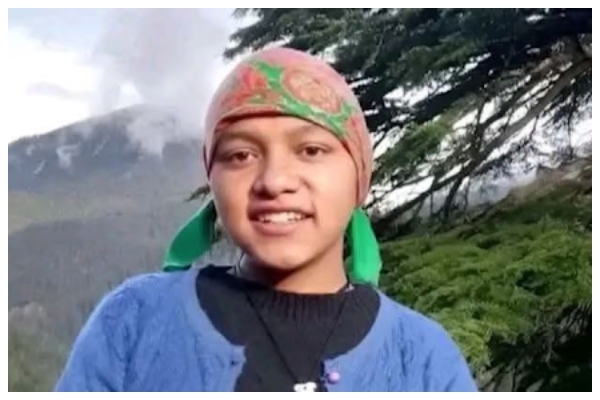
“They are grief-stricken. It was the ritual that killed her, whether the family admits to this or not,” Tamta said.
The village, which has around 20 families, follows a tradition under which menstruating women are not permitted to bathe in local water bodies. Instead, they are expected to travel several kilometres outside the village to bathe and wash their clothes.
The practice is associated with Bhumiyal Devta, a revered deity in the region. According to the traditional belief, menstruating women are considered impure and are therefore required to stay away from places associated with the deity.
While traditions and cultural practices form an important part of India’s heritage, Sumitra’s death has brought renewed attention to the need to examine customs when they pose a direct risk to people’s safety.
For many young Indians, such restrictions raise questions about how age-old beliefs can be balanced with modern ideas of equality, dignity and personal safety.
Social activist Aranya Ranjan, president of the Uttarakhand Jan Jagriti Sansthan, said the practice remains prevalent in several communities in the state, with women required to travel to distant water sources during menstruation.