Godavari tragedy: Coercion, conversion & silence of secularism
Total Views |


The Godavari tragedy has left India with a question far more uncomfortable than the deaths themselves - what happens when religious influence crosses the line into alleged coercion, intimidation and exploitation?
 The allegations must be proved in a court of law. But they cannot be ignored. The Godavari tragedy forces India to confront a question it has too often avoided - where does legitimate religious propagation end and coercion begin? Freedom of conscience includes the freedom to choose one’s faith. But that freedom cannot become a licence for anyone to obtain another person’s faith through force, fraud, inducement or undue influence.
Coercion does not always announce itself. It can begin with friendship. With help. With money. A job. medical assistance. A promise of marriage. Emotional dependence. Religious literature offered to someone in distress. None of these acts is necessarily illegal by itself. The danger arises when assistance becomes dependence, dependence becomes influence, and influence becomes pressure. As the pattern described in the Godavari material suggests: first comes access, then trust, dependence, isolation, ideological influence and finally pressure. That possibility deserves investigation wherever credible evidence exists.
India has witnessed allegations of conversion through inducement, deception, force and undue influence. Such allegations have also surfaced in Uttar Pradesh and in controversies such as the TCS Nashik episode. Whatever the eventual judicial findings, dismissing every concern as an invention of the political right is intellectually dishonest. If a woman says she was pressured to change her religion, the first question should be: What happened? Not: Who is raising the issue? The victim must remain at the centre. Religious identity should never become a shield against investigation. If marriage, money, threats, fraud, sexual exploitation or psychological domination are used to compel religious change, the law must act irrespective of the religion of either victim or accused.
India also needs greater transparency. Religious institutions must obey the law. Charitable organisations must remain accountable. Foreign funding must be transparent. Allegations must be investigated without political fear. Data on religious change and its causes should be studied objectively rather than converted into either propaganda or taboo. There is a profound difference between changing one's religion and being changed by somebody else. The first is liberty. The second, if achieved through coercion or manipulation, is exploitation.
But the Godavari tragedy raises another, deeper question: why does a family reach a point where death appears preferable to continuing life? Law can punish an offender after a crime. It cannot stand beside every individual during every moment of despair. Society therefore needs something more a moral and social ecosystem capable of recognising vulnerability before it becomes irreversible. This is where the civilisational idea of Hindutva deserves to be understood beyond electoral politics. At its deepest level, Hindutva places life within a network of family, duty, community, restraint and dharma. The individual is not an isolated unit. His or her life is connected to parents, children, relatives and society.
A strong family can become the first line of defence against despair. Relatives notice distress. Neighbours intervene. Community networks provide support. Religious and social institutions can offer counsel. The message is simple but powerful: you are suffering, but you are not alone. Dharma is equally important. It is not merely ritual. It implies duty, responsibility and ethical conduct. Freedom without responsibility can become destructive; social responsibility creates obligations towards those who are vulnerable.
The Godavari tragedy must therefore not become another communal shouting match. It should become an investigation into alleged coercion, vulnerability, exploitation, institutional failures and the circumstances that drove a family towards an irreversible decision. India needs a national framework that protects conscience without protecting coercion. It must identify force, fraud, inducement and undue influence, protect vulnerable people, scrutinise criminal networks, ensure financial transparency and punish proven offenders.
The Godavari river has taken three lives. The surviving child carries a tragedy that no family should have to endure. India must ensure that the final lesson is not merely about arrests and a charge sheet. It must be about rebuilding the social confidence that prevents despair from becoming an escape. A civilisation protects people not only through law, but through family, community, duty and dharma. The Godavari tragedy should remind India of that forgotten strength.
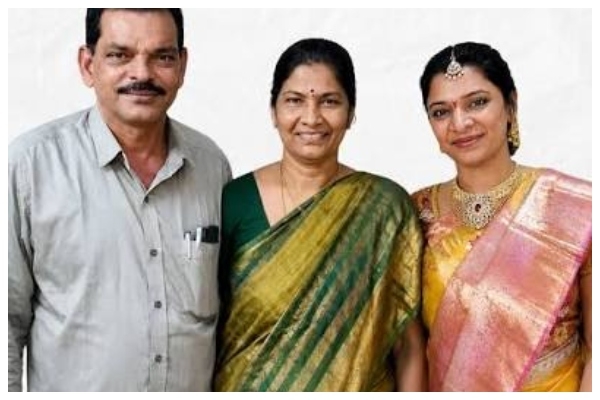
On the intervening night of August 16 and 17, Panchayat Raj department assistant engineer Tillapudi Nooka Raju, his wife Meena and daughter Sowjanya allegedly jumped into the Godavari from the road-cum-rail bridge near Rajamahendravaram. Sowjanya’s 10-year-old son also went into the river but survived after fishermen rescued him. The family had left behind suicide notes naming rifle-shooting coach Sheikh Sadiq Khan and alleging harassment, threats, financial exploitation and pressure relating to religious conversion. Khan has since been arrested, and the allegations are now subject to investigation.
Coercion does not always announce itself. It can begin with friendship. With help. With money. A job. medical assistance. A promise of marriage. Emotional dependence. Religious literature offered to someone in distress. None of these acts is necessarily illegal by itself. The danger arises when assistance becomes dependence, dependence becomes influence, and influence becomes pressure. As the pattern described in the Godavari material suggests: first comes access, then trust, dependence, isolation, ideological influence and finally pressure. That possibility deserves investigation wherever credible evidence exists.
ALSO READ: Nepal’s deluge: When nature meets human arrogance
India also needs greater transparency. Religious institutions must obey the law. Charitable organisations must remain accountable. Foreign funding must be transparent. Allegations must be investigated without political fear. Data on religious change and its causes should be studied objectively rather than converted into either propaganda or taboo. There is a profound difference between changing one's religion and being changed by somebody else. The first is liberty. The second, if achieved through coercion or manipulation, is exploitation.
But the Godavari tragedy raises another, deeper question: why does a family reach a point where death appears preferable to continuing life? Law can punish an offender after a crime. It cannot stand beside every individual during every moment of despair. Society therefore needs something more a moral and social ecosystem capable of recognising vulnerability before it becomes irreversible. This is where the civilisational idea of Hindutva deserves to be understood beyond electoral politics. At its deepest level, Hindutva places life within a network of family, duty, community, restraint and dharma. The individual is not an isolated unit. His or her life is connected to parents, children, relatives and society.
ALSO READ: Christian Missionaries at it again -- begin ‘disaster evangelism’ in Nepal
The Godavari tragedy must therefore not become another communal shouting match. It should become an investigation into alleged coercion, vulnerability, exploitation, institutional failures and the circumstances that drove a family towards an irreversible decision. India needs a national framework that protects conscience without protecting coercion. It must identify force, fraud, inducement and undue influence, protect vulnerable people, scrutinise criminal networks, ensure financial transparency and punish proven offenders.
The Godavari river has taken three lives. The surviving child carries a tragedy that no family should have to endure. India must ensure that the final lesson is not merely about arrests and a charge sheet. It must be about rebuilding the social confidence that prevents despair from becoming an escape. A civilisation protects people not only through law, but through family, community, duty and dharma. The Godavari tragedy should remind India of that forgotten strength.