“Say free Pak-Occupied Jammu & Kashmir instead”: Suvendu Adhikari slams ‘Lal Salaam Kishenji’, ‘Free Palestine’ slogans
West Bengal Chief Minister Suvendu Adhikari questioned the “Lal Salam Kishanji” mural at Jadavpur University and criticised “Azadi” and Kashmir-related slogans, asking what message was being given to the new generation.
Total Views |


West Bengal Chief Minister Suvendu Adhikari on Friday (August 28) launched attack on slogans and political messaging that he said were against national unity, questioning the “Lal Salam Kishenji” mural at Jadavpur University and criticising “Azadi” slogans on the streets of Kolkata.
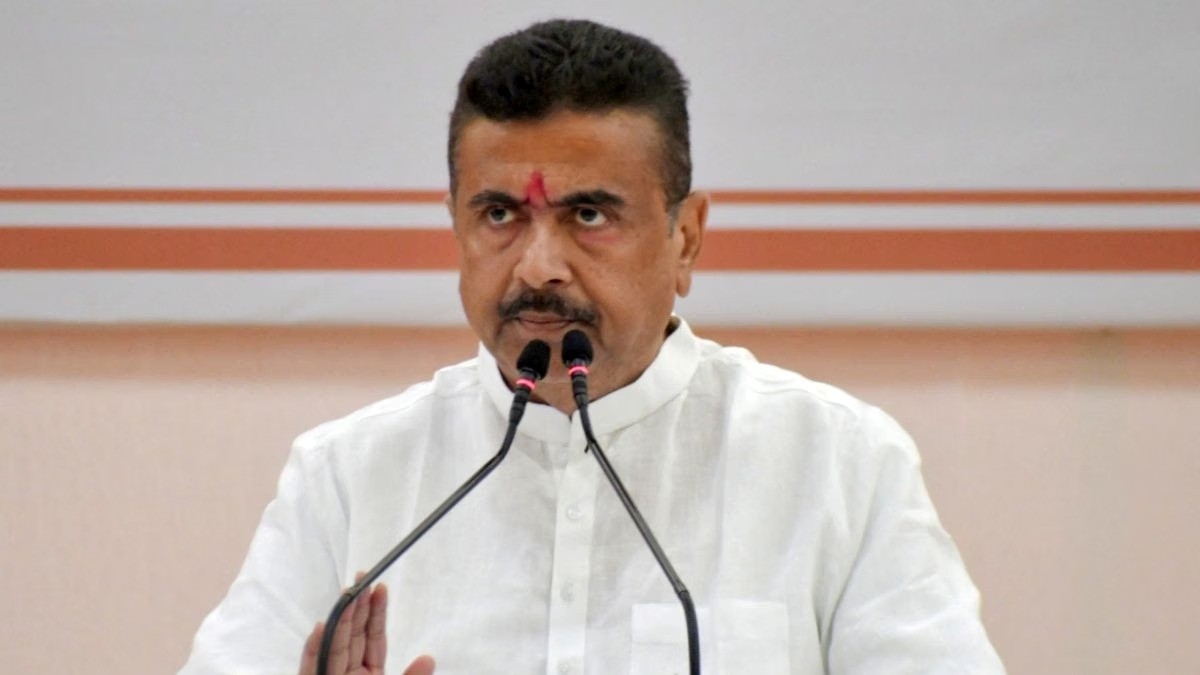
West Bengal Chief Minister Suvendu Adhikari
Speaking at a Raksha Bandhan programme in his Bhawanipur Assembly constituency in south Kolkata, Adhikari also questioned slogans such as “Kashmir demands freedom”, opposed “Free Palestine” slogans and said people should instead raise the issue of “Free Pak-Occupied Jammu and Kashmir”.
He also called for “no more drugs” and questioned why ex-students were living in hostels meant for current students.
No more Lal Salaam to Kishenji.
— BJP West Bengal (@BJP4Bengal) August 28, 2026
No more ‘Free Palestine.’
Say Free ‘Pak Occupied Kashmir’ instead.
No more siding with Breaking India forces.
No more DRUGS, Ex students living in hostels meant for current students.
Chinta Nei, @Suvenduwb Dada aache. pic.twitter.com/H6YXjUYjSp
‘What are you teaching the new generation?’
Adhikari specifically questioned the “Lal Salam Kishenji” mural on the walls of Jadavpur University's arts department.
“I feel sad seeing ‘Lal Salam Kishenji’ written on the walls of Jadavpur. What are you teaching the new generation? Who is Kishenji?” he said.
Kishenji, whose real name was Koteshwar Rao, was a senior Maoist leader who was killed in a police encounter in West Bengal in November 2011.
Adhikari questioned the message being conveyed to students through the mural and objected to the portrayal of Kishenji in a university environment.
‘Azadi’ slogans pain me
Adhikari also criticised “Azadi” slogans being raised in Kolkata.
“When I see ‘Azadi’ slogans on the streets of Kolkata, it pains me. What is this freedom for?” he said.
Referring to India's Independence and the sacrifices made during the freedom struggle, he mentioned freedom fighters including Netaji Subhas Chandra Bose and Matangini Hazra.
He said the sacrifices of those who fought for India's freedom should be remembered.
The remarks came a day after Adhikari had warned that people raising certain “Azadi” slogans could face police action. He had said slogans such as “Inquilab Zindabad” could be raised but claimed that those raising “Azadi” slogans could face cases.
Questions ‘Kashmir demands freedom’ slogans
Adhikari also questioned slogans such as “Kashmir demands freedom” being written on the streets of Kolkata and at Jadavpur University.
The Chief Minister’s Office (CMO) has received concerning videos and photographic representations through the CM’s Grievance Cell from conscientious Students of Jadavpur University, reporting instances of objectionable, sociopathic, violent and Anti-National wall graffiti &… pic.twitter.com/1zUevS1iei
— Suvendu Adhikari (@SuvenduWB) August 24, 2026
“Kashmir has been the subject of several wars and considerable conflict between India and Pakistan. Then why should ‘Kashmir demands freedom’ be written on the streets of Kolkata?” he said.
He specifically questioned the presence of such slogans at Jadavpur University, which he described as a centre of excellence.
‘No more Lal Salaam, no more Free Palestine’
Adhikari extended his criticism to slogans relating to Kishanji and Palestine.
He said there should be “no more Lal Salaam to Kishanji” and “no more Free Palestine” slogans.
Instead, he called for people to say “Free Pak-Occupied Jammu & Kashmir”.
He also said there should be no siding with forces that are “breaking India”, linking the different slogans to his larger argument about national unity.
Questions objections to Vande Mataram
Adhikari also questioned objections to the complete version of Vande Mataram.
“Vande Mataram was not written by any political leader. It was written by Bankim Chandra Chattopadhyay. What is there to object to?” he said.
He referred to the song's author while making his broader point about patriotism, nationalism and national symbols.
Raksha Bandhan and patriotism
Speaking about Raksha Bandhan, Adhikari said the festival has religious significance because it celebrates the relationship between brothers and sisters, but added that patriotism has also become associated with the occasion.
He said India's armed forces deal with threats from outside the country, while also referring to people within the country whom he accused of acting against national interests.
According to Adhikari, India had demonstrated its strength against external enemies and would continue to do so. He said a similar resolve was required against those whom he accused of attacking patriotism, nationalism, Vande Mataram and the national anthem from within the country.
He said forces working to divide the country should be dealt with firmly.
‘No more drugs’; raises hostel issue
Adhikari also raised concerns over drug use and the occupation of student hostels.
Calling for “no more drugs”, he questioned the presence of ex-students in hostels meant for current students.
He asked why former students were continuing to live in accommodation intended for those currently enrolled at the university.
The remarks brought campus administration and student facilities into the wider set of issues raised by the Chief Minister.
Bengal’s cultural heritage
During the address, Adhikari also referred to Bengal's cultural and spiritual heritage.
He mentioned personalities including Chaitanya Mahaprabhu, Ramakrishna Paramahamsa and Rani Rashmoni, and spoke about efforts to restore aspects of Bengal's cultural identity that, according to him, had been lost over time.
His references to Bengal's heritage came alongside his remarks on the freedom struggle, patriotism and national unity.