Bengal’s Madrasa Question: Who Allowed 2,396 to Operate?
NewsBharati 17-Sep-2026 13:37:46 PM
Total Views |


West Bengal has finally begun asking a question that should have been asked years ago - how can thousands of educational institutions operate without proper government approval or registration?
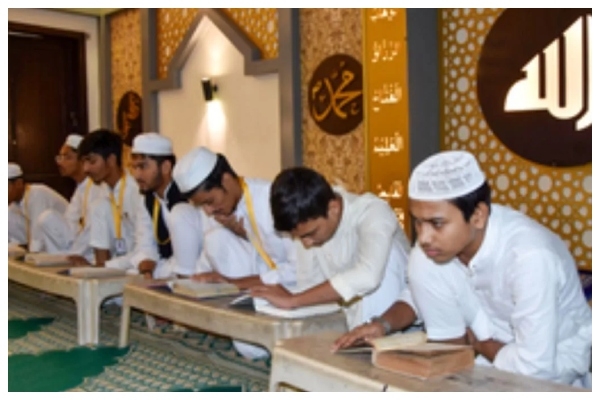
The latest statewide verification has revealed a startling figure - 2,396 madrasas are functioning without approval or registration, against 2,132 recognised institutions. The government has ordered the closure of 252 madrasas and issued show-cause notices to another 100. The action followed a survey examining infrastructure, management, enrolment, funding sources, registration and compliance with prescribed educational requirements. It is a question of whether the State exists.
In fact, precisely because madrasas combine education with religious instruction, scrutiny becomes more not less important. The State has a legitimate interest in knowing what children are being taught, whether prescribed educational standards are followed, who controls the institutions and where their funds come from. The current survey reportedly examined precisely these questions. The figure of 2,396, therefore, raises another uncomfortable question: where was the government all these years?
ALSO READ: Mother’s Final Blessing: Son wins Rajasthan civic poll due to her last vote
An institution does not become legal merely because the administration chooses not to look at it. If thousands of madrasas could function without approval or registration, this represents not merely an institutional irregularity but a failure of governance. The government now deserves credit for undertaking verification, but it must also explain why such a large regulatory vacuum was allowed to develop.
There have also been serious allegations about radicalisation and anti-national activity involving some unrecognised or Khariji madrasas. Minority Affairs Minister Kshudiram Tudu has said complaints had repeatedly been received and referred to instances of anti-national activities being carried out from seminaries. BJP leaders have separately spoken of radicalisation in border areas.
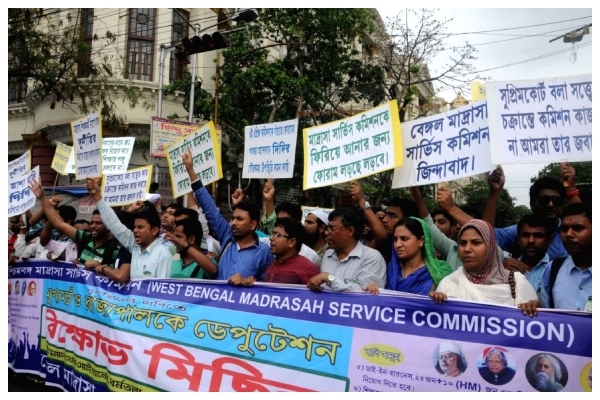
The government must now conduct a transparent institution-by-institution audit. It should establish which madrasas merely lacked paperwork, which failed infrastructure requirements, which deviated from the prescribed curriculum and, where credible evidence exists, whether any were connected to unlawful or extremist activity. Funding sources, management structures and links with organisations outside the recognised system deserve particular scrutiny.
The funding question cannot be brushed aside. If these unrecognised madrasas were not receiving government grants, who was financing them? Donations? Trusts? Individuals? Organisations? What were the sources of that money, and who audited it? The government survey itself examined funding sources. The answers should now be made public.
A democratic government cannot surrender administrative space because an issue is religiously sensitive. Secularism does not mean that the State must close its eyes when a minority institution violates the law. On the contrary, genuine secularism requires the same law to apply to everyone.
The government must therefore go beyond the politically convenient act of shutting 252 madrasas. It must answer the larger question exposed by its own survey - how did 2,396 unapproved madrasas acquire the freedom to operate in the first place? The real scandal is not merely that illegal institutions existed. It is that the State apparently knew or failed to know that they existed.
If an institution is legal, let it function without fear. If it is deficient, make it comply. If it is unauthorised, shut it down. And if there is credible evidence of criminal or extremist activity, investigate it ruthlessly under the law.
The rule must be brutally simple -religion may explain an institution’s character; it cannot exempt the institution from the law.

Editor's Desk
Editor's Desk