How Nashik’s Kumbh could become a goldmine for religious-product businesses, from Rudraksha to puja kits
Faith may bring the pilgrims to Nashik. But once they arrive, an enormous ecosystem of small businesses will move with them.
Total Views |


When millions of pilgrims descend on Nashik and Trimbakeshwar for the upcoming Simhastha Kumbh, they will not arrive with empty hands, and many will not leave with them either. Alongside the sacred dip in the Godavari, visits to temples and meetings with sadhus, pilgrims are expected to spend on a wide range of religious products, from Rudraksha malas and idols to puja kits, copper vessels and devotional souvenirs.
For local traders, artisans and small businesses, this could be far more than a temporary sales opportunity.
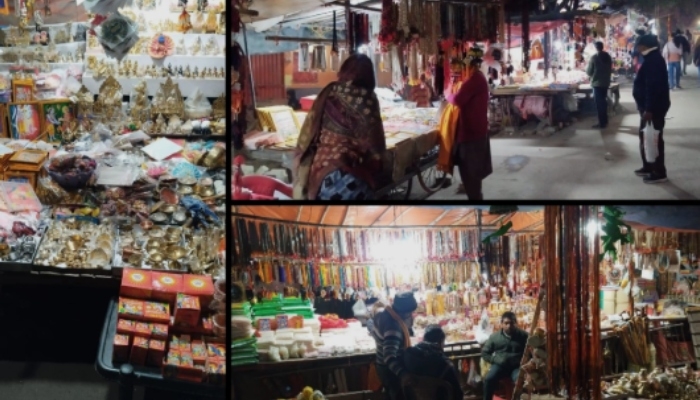
That is the opportunity Nashik's religious-product market will be watching closely.
1. Rudraksha and japa malas
With Trimbakeshwar being one of the 12 Jyotirlingas and the Kumbh's traditions deeply connected with Shaivism, Rudraksha products are likely to be among the most visible items in the marketplace.
Rudraksha malas, individual beads and japa malas serve both ritual and souvenir purposes. Importantly for small traders, the category allows multiple price points, from inexpensive malas for mass buyers to premium products for customers seeking specialised varieties.
2. Shiva pendants, trishuls and religious lockets

3. Puja kits
A pilgrim travelling hundreds or thousands of kilometres may not want to shop for every ritual item separately.
That creates an opening for ready-made puja kits containing kumkum, roli, akshat, moli, camphor, incense and other essentials. Sellers can create basic, family-sized, and premium kits, making the product accessible to different income groups.
4. Brass and copper puja articles

5. Religious idols
6. Flowers, garlands and puja offerings
One of the clearest pieces of evidence from Prayagraj is that even the most traditional products can become major businesses when footfall reaches extraordinary levels.
Ahead of Maha Kumbh 2025, Prayagraj's flower traders reported a sharp rise in demand for roses and marigolds as akharas, religious organisations and devotees prepared for the event. A similar situation can happen in the upcoming Kumbh union. The possibility of this cannot be denied. The prices could also rise further around the major bathing days.

7. Vibhuti, kumkum, chandan and sacred powders
Small packets of vibhuti, kumkum, chandan and other ritual materials may individually generate modest revenues, but the sheer scale of pilgrimage can transform low-value products into a sizeable business. The key opportunity for entrepreneurs could lie in packaging. Hygienic, branded, and attractively presented religious products can turn traditional commodities into organised retail products.
8. Religious books and pocket scriptures
A pilgrimage is not necessarily limited to ritual. Many visitors also seek spiritual literature. Pocket editions of the Bhagavad Gita, Ramcharitmanas, Shiva-related texts, stotras and chalisa collections can appeal to pilgrims wanting to take something meaningful home. Marathi, Hindi, English and other language editions could help businesses cater to Nashik's diverse visitor base.
9. Bhagwa dhwajas and religious flags
Flags and dhwajas will be highly visible throughout the Kumbh ecosystem. The products can range from small household flags to larger flags used by religious groups and pilgrimage organisations. This creates opportunities for textile manufacturers, printers, embroiderers and small-scale flag makers, not merely roadside religious shops.
10. Nashik-kumbh souvenirs
Perhaps the most scalable category is one that combines faith with local identity.
Miniature Trimbakeshwar temples, Ramkund-themed artwork, Godavari souvenirs, Kumbh memorabilia, framed religious prints, keychains, and locally made handicrafts could allow pilgrims to take a piece of Nashik home.
 Prayagraj's evidential lesson for Nashik
The strongest evidence that Kumbh money reaches beyond large corporations comes from the breadth of sectors that benefited in Prayagraj.
During Maha Kumbh 2025, reports indicated strong growth in hospitality, retail, food, transport and other local businesses. One estimate put daily essential-item turnover at more than Rs 17,310 crore, while several retail and wholesale categories reported sales increases of 30–40% and, in some cases, two- to three-fold growth.
The economic activity was also visible in tax collections. Prayagraj's SGST collection reached Rs 500 crore by June 2025.
The event also created opportunities for entrepreneurs willing to invest ahead of the crowds. One example reported by Mint was businessman Mahavir Singh, who invested more than Rs 4 crore in 350 tents at the Prayagraj Kumbh.
Nashik now has an opportunity to build its own version of this ecosystem.
Recent estimates by the deAsra Foundation and the Nashik-Trimbakeshwar Kumbh Mela Authority project approximately Rs 27,000 crore in economic transactions during the upcoming Simhastha. Direct pilgrim spending on food, accommodation, transport, and religious goods alone is estimated at Rs 8,500–11,000 crore, with additional indirect and induced economic effects. The authorities are also planning support for nano and small enterprises in religious retail, food, accommodation, recreation, and transport, along with skill training for more than 30,000 people.
The Nashik Kumbh should therefore not be viewed merely as a 2027 event. For local entrepreneurs, the preparation period has already begun. Businesses that identify demand early, build inventories, create affordable product ranges, and combine traditional religious goods with modern packaging and online sales could position themselves to capture a share of one of the largest temporary consumer markets Maharashtra is likely to see.
Faith may bring the pilgrims to Nashik. But once they arrive, an enormous ecosystem of small businesses will move with them.
For local traders, artisans and small businesses, this could be far more than a temporary sales opportunity.
The experience of the Maha Kumbh 2025 in Prayagraj offers a glimpse of the economic potential. Before the event, estimates suggested that the Kumbh could generate around Rs 2 lakh crore in economic activity for Uttar Pradesh, with approximately 40 crore visitors expected over 45 days. The Confederation of All India Traders (CAIT) estimated in 2025 that religious items alone could account for about Rs 5,000 crore in sales, while flowers were projected to generate another Rs 800 crore.
That is the opportunity Nashik's religious-product market will be watching closely.
1. Rudraksha and japa malas
With Trimbakeshwar being one of the 12 Jyotirlingas and the Kumbh's traditions deeply connected with Shaivism, Rudraksha products are likely to be among the most visible items in the marketplace.
Rudraksha malas, individual beads and japa malas serve both ritual and souvenir purposes. Importantly for small traders, the category allows multiple price points, from inexpensive malas for mass buyers to premium products for customers seeking specialised varieties.
2. Shiva pendants, trishuls and religious lockets
The Kumbh is likely to create demand for lightweight devotional products that pilgrims can easily carry back home.
Pendants featuring Shiva, Om, Trishul, Nandi and other religious symbols usually appeal to visitors looking for personal religious articles as well as gifts for family members. Their relatively low price and easy portability make them particularly suited to a mass pilgrimage market.
3. Puja kits
A pilgrim travelling hundreds or thousands of kilometres may not want to shop for every ritual item separately.
That creates an opening for ready-made puja kits containing kumkum, roli, akshat, moli, camphor, incense and other essentials. Sellers can create basic, family-sized, and premium kits, making the product accessible to different income groups.
4. Brass and copper puja articles
Lotas, kalash, diyas, bells and small copper or brass vessels can become another important category. These products have an advantage over consumables. A pilgrim can use them during worship and take them home as a permanent reminder of the pilgrimage. Artisans and traders selling traditional metalware could therefore use the Kumbh to reach customers well beyond Maharashtra.
5. Religious idols
Small idols of Lord Shiva, Ganesh, Hanuman, Ram and other deities are natural pilgrimage souvenirs. Nashik could also build a stronger local identity around idols connected with the Godavari, Trimbakeshwar and the city's religious heritage. Compact, travel-friendly idols could have particularly strong appeal among families.
ALSO READ: 'Oppenheimer' deliberately hurts Hindu sentiments? Shows Murphy reciting Bhagavad Gita verses during sex scene; CBFC too allows controversial scenes
6. Flowers, garlands and puja offerings
One of the clearest pieces of evidence from Prayagraj is that even the most traditional products can become major businesses when footfall reaches extraordinary levels.
Ahead of Maha Kumbh 2025, Prayagraj's flower traders reported a sharp rise in demand for roses and marigolds as akharas, religious organisations and devotees prepared for the event. A similar situation can happen in the upcoming Kumbh union. The possibility of this cannot be denied. The prices could also rise further around the major bathing days.
For Nashik, that points to an opportunity not only for flower sellers but also for growers, wholesalers, transporters and garland makers in the surrounding region.
7. Vibhuti, kumkum, chandan and sacred powders
Small packets of vibhuti, kumkum, chandan and other ritual materials may individually generate modest revenues, but the sheer scale of pilgrimage can transform low-value products into a sizeable business. The key opportunity for entrepreneurs could lie in packaging. Hygienic, branded, and attractively presented religious products can turn traditional commodities into organised retail products.
8. Religious books and pocket scriptures
A pilgrimage is not necessarily limited to ritual. Many visitors also seek spiritual literature. Pocket editions of the Bhagavad Gita, Ramcharitmanas, Shiva-related texts, stotras and chalisa collections can appeal to pilgrims wanting to take something meaningful home. Marathi, Hindi, English and other language editions could help businesses cater to Nashik's diverse visitor base.
9. Bhagwa dhwajas and religious flags
Flags and dhwajas will be highly visible throughout the Kumbh ecosystem. The products can range from small household flags to larger flags used by religious groups and pilgrimage organisations. This creates opportunities for textile manufacturers, printers, embroiderers and small-scale flag makers, not merely roadside religious shops.
10. Nashik-kumbh souvenirs
Perhaps the most scalable category is one that combines faith with local identity.
Miniature Trimbakeshwar temples, Ramkund-themed artwork, Godavari souvenirs, Kumbh memorabilia, framed religious prints, keychains, and locally made handicrafts could allow pilgrims to take a piece of Nashik home.
The Prayagraj experience shows that such local-product markets can find buyers. Beyond the Kumbh itself, the city saw strong demand for locally made products from self-help groups, including handcrafted idols, diyas, candles and other indigenous products.
The strongest evidence that Kumbh money reaches beyond large corporations comes from the breadth of sectors that benefited in Prayagraj.
During Maha Kumbh 2025, reports indicated strong growth in hospitality, retail, food, transport and other local businesses. One estimate put daily essential-item turnover at more than Rs 17,310 crore, while several retail and wholesale categories reported sales increases of 30–40% and, in some cases, two- to three-fold growth.
The economic activity was also visible in tax collections. Prayagraj's SGST collection reached Rs 500 crore by June 2025.
The event also created opportunities for entrepreneurs willing to invest ahead of the crowds. One example reported by Mint was businessman Mahavir Singh, who invested more than Rs 4 crore in 350 tents at the Prayagraj Kumbh.
Nashik now has an opportunity to build its own version of this ecosystem.
Recent estimates by the deAsra Foundation and the Nashik-Trimbakeshwar Kumbh Mela Authority project approximately Rs 27,000 crore in economic transactions during the upcoming Simhastha. Direct pilgrim spending on food, accommodation, transport, and religious goods alone is estimated at Rs 8,500–11,000 crore, with additional indirect and induced economic effects. The authorities are also planning support for nano and small enterprises in religious retail, food, accommodation, recreation, and transport, along with skill training for more than 30,000 people.
The Nashik Kumbh should therefore not be viewed merely as a 2027 event. For local entrepreneurs, the preparation period has already begun. Businesses that identify demand early, build inventories, create affordable product ranges, and combine traditional religious goods with modern packaging and online sales could position themselves to capture a share of one of the largest temporary consumer markets Maharashtra is likely to see.
Faith may bring the pilgrims to Nashik. But once they arrive, an enormous ecosystem of small businesses will move with them.