Raj Thackeray: The Man Who Destroyed Himself
Total Views |


Raj Thackeray’s latest swipe at Hindu sentiments should not be dismissed as yet another provocative statement by a politician who enjoys controversy. It deserves a more serious political reading. Because Raj Thackeray’s problem today is not one statement. It is the trajectory.
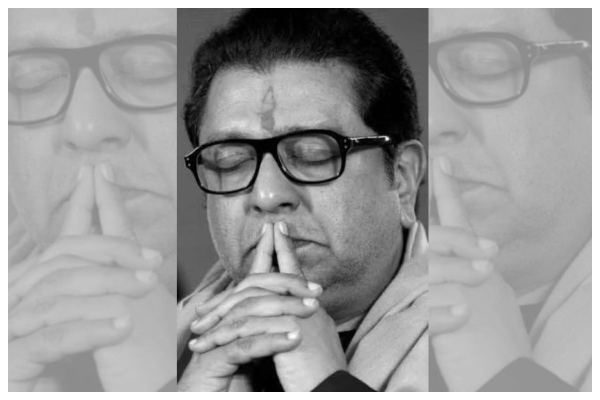
The Maharashtra Navnirman Sena emerged with considerable promise. There was a sense that a new political force could emerge from the Shiv Sena tradition while developing its own identity. But political history is unforgiving. The MNS never became the force its founder imagined. Its electoral footprint remained limited. It showed consistent decline. Its political relevance became dependent increasingly on episodic interventions rather than sustained organisation. And he was reduced to a man who became a commentator on Maharashtra politics.
That is the tragedy.
Raj Thackeray did not merely lose elections. He lost political direction. His relationship with Hindutva illustrates the problem particularly well. There have been moments when Raj Thackeray has spoken forcefully about Hindutva, Hindu identity and issues concerning national security. There have also been occasions when he appeared to move closer to the BJP's ideological space. But Hindutva cannot be an occasional costume. It is a civilisational worldview.
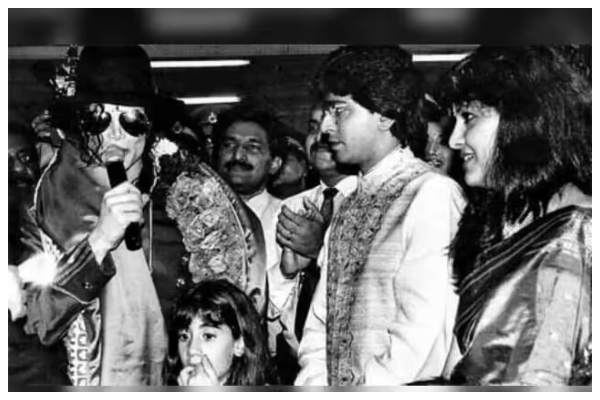
The central question remains brutally simple: Where is the political project? Marathi manus? That has not translated into durable electoral expansion. Hindutva? That appears intermittently, rather than as a consistent ideological commitment. Opposition to the BJP? That has never produced a convincing alternative political architecture. And now, on questions concerning Hindu sentiment, he sometimes sounds remarkably close to the intellectual posture of the very Left politics that his earlier political persona would have rejected.
This is why calling Raj Thackeray a frustrated politician is not an insult. It is a diagnosis of political decline. The saddest political stories are not those of politicians who never achieved anything. They are stories of politicians who possessed the ingredients of greatness and squandered them. For Raj, opportunity without consistency becomes spectacle. And spectacle without organisation becomes irrelevant.
The irony is devastating.
A politician who entered public life promising to reinvent Maharashtra’s politics has ended up repeatedly reinventing himself. First the aggressive Marathi nationalist. Then the occasional Hindutva voice. Then the tactical political interlocutor. And now, at moments, a politician whose rhetoric sounds suspiciously comfortable with the very ideological ecosystem of the Left. The result is not ideological sophistication.
It is ideological bewilderment.
What does he actually stand for? Because Maharashtra has no shortage of politicians who can speak loudly. Through a succession of political miscalculations, ideological turns and diminishing electoral returns, he has increasingly become the principal author of his own political marginalisation. The man who wanted to reshape Maharashtra's politics has ended up reshaping only himself. And not for the better
A politician who once appeared capable of occupying a significant political space in Maharashtra has gradually reduced himself to a curious spectacle - Marathi pride when convenient, Hindutva when politically useful, secular-sounding rhetoric when necessary and increasingly, a language that sounds indistinguishable from the ideological vocabulary of the Left. This is not ideological evolution. It is political exhaustion.
Raj Thackeray began with an obvious political inheritance - the politics of the Marathi manus. He understood Maharashtra’s emotional geography, its linguistic anxieties and its historical pride. His oratory was powerful. But attention is not a political organisation.
And rhetoric is not electoral power. The crucial question is - what did Raj Thackeray build with the enormous political attention he repeatedly attracted? The answer is uncomfortable for his admirers. He largely destroyed his own political capital.
That is the tragedy.
One cannot embrace Hindu sentiments on Monday, ridicule them on Tuesday and expect the public to treat both positions as manifestations of ideological consistency. That is precisely why his latest mockery of Hindu sentiments matters. Raj Thaxckeeay must understand the difference criticism and contempt.
There is an even greater difference between challenging a political argument and repeatedly treating the sentiments of millions as material for political theatre. A a politician who claims to speak for Maharashtra should understand that Maharashtra’s political and cultural identity cannot be separated from its Hindu civilisational inheritance. From Sant Dnyaneshwar to Chhatrapati Shivaji Maharaj, Sant Tukaram and the enormous Bhakti tradition, Maharashtra possesses a civilisational vocabulary that cannot be reduced to electoral slogans. This is where Raj Thackeray’s political confusion becomes particularly visible. The Marathi manus cannot be separated from the cultural soil in which Marathi identity itself developed.
And yet, increasingly, Raj Thackeray appears to be searching for political relevance by attacking precisely those cultural instincts that once formed part of his own political vocabulary. What happened? Perhaps the simplest explanation is frustration. Political frustration can produce a strange transformation. When a politician cannot expand his electoral constituency, he begins expanding his provocations. When an organisation fails, outrage becomes organisation. When political influence declines, controversy becomes a substitute for influence.
The microphone remains. The crowds may remain. The political consequences do not. This is why Raj Thackeray increasingly gives the impression of a politician trapped inside his own past. The central question remains brutally simple: Where is the political project? Marathi manus? That has not translated into durable electoral expansion. Hindutva? That appears intermittently, rather than as a consistent ideological commitment. Opposition to the BJP? That has never produced a convincing alternative political architecture. And now, on questions concerning Hindu sentiment, he sometimes sounds remarkably close to the intellectual posture of the very Left politics that his earlier political persona would have rejected.
ALSO READ: HISTORIC MARCH of ABVP THAT GAVE NEW DIMENSION TO STUDENT ACTIVISM
The irony is devastating.
A politician who entered public life promising to reinvent Maharashtra’s politics has ended up repeatedly reinventing himself. First the aggressive Marathi nationalist. Then the occasional Hindutva voice. Then the tactical political interlocutor. And now, at moments, a politician whose rhetoric sounds suspiciously comfortable with the very ideological ecosystem of the Left. The result is not ideological sophistication.
It is ideological bewilderment.
Raj Thackeray does not need another controversy to prove that he exists. He needs to answer a far more difficult question: