The Law Must Protect the Family, Not Weaken It
Total Views |


There is a fundamental truth about Indian civilisation that modern legal discourse sometimes forgets: family is not merely a private arrangement between individuals; it is a social institution founded upon duty. The Indian idea of kartavya does not begin with the question, “What are my rights?” It begins with the more demanding question, “What is my duty towards those who depend upon me?” That distinction is central to any discussion on the protection of senior citizens.
 Section 23 was enacted because Parliament recognised a basic social reality. Elderly parents often transfer property to their children or other family members in the expectation that they will be cared for in their old age. When that expectation is betrayed, the law provides a remedy. The provision is therefore not simply about property. It is about trust, responsibility and the dignity of ageing parents.
The case involved a gift deed executed by B.K. Nanjamma in favour of her daughter-in-law Sheela S. The High Court held that the statutory requirements for invoking Section 23 had not been established and that the expression “love and affection” in the gift deed could not by itself constitute an undertaking to maintain the senior citizen.
The legal finding must be understood within the larger social context. The question is not whether every daughter-in-law must automatically become legally responsible for her mother-in-law. The deeper question is whether Indian society still believes that family members have duties towards one another that go beyond the narrow language of contract and property law. The answer must be yes.
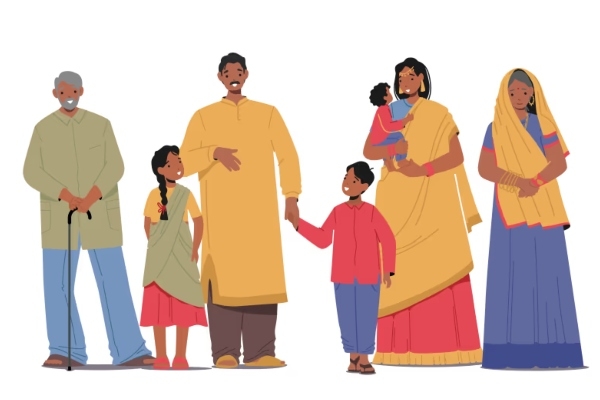
For centuries, the joint family was one of India's most important social institutions. It distributed responsibility across generations. Children grew up under the care of parents and grandparents; the elderly remained within the family; resources were pooled; responsibilities were shared. It was not a perfect institution, and it could certainly produce conflicts and inequalities. But its underlying philosophy was powerful: no member of the family was merely an individual standing alone. The joint family embodied kartavya. The son had a duty towards his parents. Parents had duties towards their children. Elders had responsibilities towards the younger generation. The younger generation, in turn, owed respect, care and support to those who had raised them. The relationship was reciprocal, but it was not transactional. This is an important distinction.
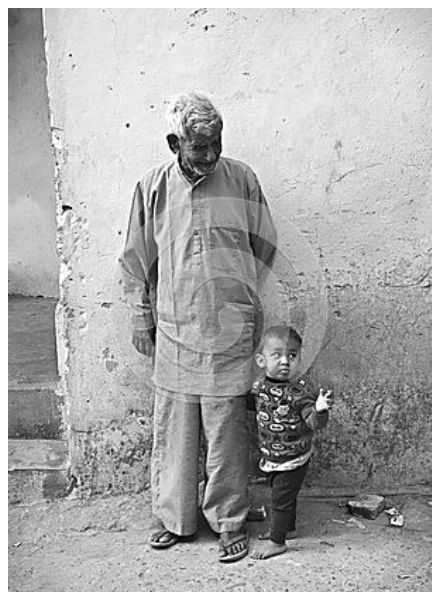
Modern individualism increasingly asks what one is entitled to receive from a relationship. The traditional Indian family asked what one was expected to contribute to it. The first produces a culture of claims; the second produces a culture of responsibility. India must not surrender the latter in the name of modernity. The weakening of the joint family has already produced consequences. Children migrate to distant cities and countries. Elderly parents increasingly live alone. Economic independence has strengthened individual freedom but, in some cases, weakened intergenerational dependence. The elderly can become socially isolated precisely when they need family support most. The answer cannot simply be more government schemes and more old-age institutions.
The State can provide pensions, healthcare and legal remedies. It cannot provide what a family traditionally provided: belonging, companionship, affection and the assurance that one will not be abandoned in old age. The welfare state can supplement the family. It cannot replace it.
This is why laws protecting senior citizens should be viewed not as instruments against the family but as instruments for preserving its most basic responsibility the protection of the vulnerable. At the same time, justice requires fairness to every member of the family, including daughters-in-law. A daughter-in-law has an independent legal personality and cannot automatically be made responsible for every obligation arising from her husband's family merely because she married into it. The death of a husband, by itself, cannot manufacture a liability that the law does not recognise. But this legitimate protection of individual rights should not become an excuse for abandoning the elderly. The correct approach is neither blind collectivism nor aggressive individualism. It is responsibility within the family, supported where necessary by law. This is where the philosophy of kartavya becomes relevant to modern jurisprudence. Rights are indispensable to a constitutional democracy. But rights without duties produce an impoverished conception of citizenship and family life. A society survives not merely because people know what they can demand, but because they understand what they owe.
The joint family represented that principle in institutional form. Its physical structure may have changed, but its moral principle need not disappear. The law, therefore, should not encourage the idea that every individual stands alone, owing nothing to anyone except where a statute expressly commands it. Nor should courts manufacture liabilities beyond legislation. The wiser constitutional approach is to interpret welfare laws in a manner that protects both individual rights and the social value of family responsibility. The ultimate issue is not whether the law can compel affection. It cannot.
It is whether society should continue to value duty. It must. Because kartavya is what transforms a household into a family. It is what turns inheritance into gratitude, authority into responsibility and old age into a stage of life deserving care rather than abandonment. The Indian family must evolve, but it must not forget its civilisational grammar. Rights matter. Property matters. Individual freedom matters. But so do parents. So do elders. So does duty.And when the family remembers its kartavya, the law has less to repair.
The Karnataka High Court's judgment in Sheela S. v. State of Karnataka, concerning Section 23 of the Maintenance and Welfare of Parents and Senior Citizens Act, 2007, may have arisen from a dispute between a mother-in-law and daughter-in-law over a property transfer. But behind the legal question lies a much larger social concern: what happens to a civilisation when family responsibility is progressively reduced to individual entitlement?
The case involved a gift deed executed by B.K. Nanjamma in favour of her daughter-in-law Sheela S. The High Court held that the statutory requirements for invoking Section 23 had not been established and that the expression “love and affection” in the gift deed could not by itself constitute an undertaking to maintain the senior citizen.
The legal finding must be understood within the larger social context. The question is not whether every daughter-in-law must automatically become legally responsible for her mother-in-law. The deeper question is whether Indian society still believes that family members have duties towards one another that go beyond the narrow language of contract and property law. The answer must be yes.
ALSO READ: Why Krishna’s Janmashtami is celebrated at Shiva temples in Goa
Modern individualism increasingly asks what one is entitled to receive from a relationship. The traditional Indian family asked what one was expected to contribute to it. The first produces a culture of claims; the second produces a culture of responsibility. India must not surrender the latter in the name of modernity. The weakening of the joint family has already produced consequences. Children migrate to distant cities and countries. Elderly parents increasingly live alone. Economic independence has strengthened individual freedom but, in some cases, weakened intergenerational dependence. The elderly can become socially isolated precisely when they need family support most. The answer cannot simply be more government schemes and more old-age institutions.
The State can provide pensions, healthcare and legal remedies. It cannot provide what a family traditionally provided: belonging, companionship, affection and the assurance that one will not be abandoned in old age. The welfare state can supplement the family. It cannot replace it.
This is why laws protecting senior citizens should be viewed not as instruments against the family but as instruments for preserving its most basic responsibility the protection of the vulnerable. At the same time, justice requires fairness to every member of the family, including daughters-in-law. A daughter-in-law has an independent legal personality and cannot automatically be made responsible for every obligation arising from her husband's family merely because she married into it. The death of a husband, by itself, cannot manufacture a liability that the law does not recognise. But this legitimate protection of individual rights should not become an excuse for abandoning the elderly. The correct approach is neither blind collectivism nor aggressive individualism. It is responsibility within the family, supported where necessary by law. This is where the philosophy of kartavya becomes relevant to modern jurisprudence. Rights are indispensable to a constitutional democracy. But rights without duties produce an impoverished conception of citizenship and family life. A society survives not merely because people know what they can demand, but because they understand what they owe.
An ageing parent who sacrificed for a family cannot be reduced to a claimant in a property dispute. A daughter-in-law should not be reduced to a convenient respondent. The law must examine the facts, determine the actual obligations and apply the statute fairly. But its larger social purpose should remain clear:family responsibility must not become meaningless simply because modern life has made the family smaller. Traditional values are not preserved by nostalgia. They are preserved by practice.
Respect for parents, care for elders, responsibility towards dependents and willingness to sacrifice personal convenience for the family are not signs of an obsolete civilisation. They are social virtues. A society that loses them may become materially prosperous while becoming emotionally poorer. The Indian civilisational tradition understood something that contemporary societies are rediscovering painfully: human beings need relationships of obligation, not merely relationships of choice.
The joint family represented that principle in institutional form. Its physical structure may have changed, but its moral principle need not disappear. The law, therefore, should not encourage the idea that every individual stands alone, owing nothing to anyone except where a statute expressly commands it. Nor should courts manufacture liabilities beyond legislation. The wiser constitutional approach is to interpret welfare laws in a manner that protects both individual rights and the social value of family responsibility. The ultimate issue is not whether the law can compel affection. It cannot.
ALSO READ: NCLT Dismisses EY’s ₹3.11 Crore Insolvency Plea Against Mobase Electronics, Flags Success-Fee Arrangement for ICAI Review