TM C’s Survival Crisis Has Already Begun
NewsBharati 10-May-2026 10:59:55 AM
Total Views |


The crushing defeat of All India Trinamool Congress in West Bengal is not just the fall of a ruling party it signals the beginning of an existential crisis for the political outfit built entirely around Mamata Banerjee. For the first time since coming to power in 2011, the TMC appears directionless, internally fractured and politically exhausted. The aura of invincibility around Mamata Banerjee has collapsed, and with it, the future of the party itself now looks uncertain.
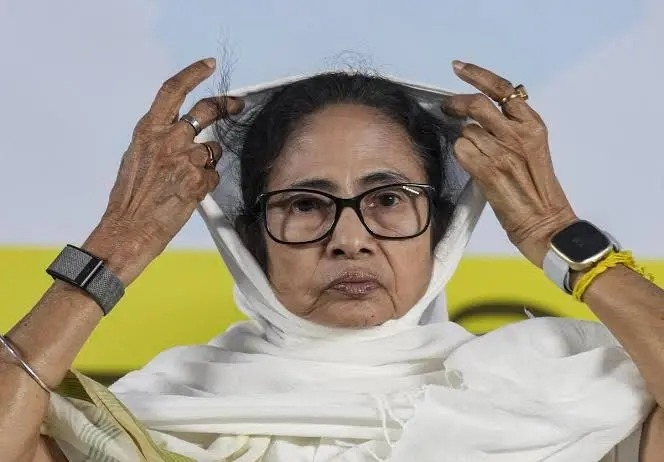
The defeat from Bhabanipur her own bastion has dealt a body blow to Mamata’s authority. Losing to Suvendu Adhikari, once among her closest aides, carries deep symbolism. It shows that many of the leaders who built the TMC’s grassroots machinery no longer believe in her leadership. Earlier, figures like Mukul Roy, Suvendu Adhikari and others formed the backbone of the party organisation. Today, most of those pillars have either left, been sidelined or lost relevance.
The growing resentment against Abhishek Banerjee has made matters worse. Several party leaders have openly criticised his functioning and accused him of turning the TMC into a tightly controlled family enterprise. Complaints about arrogance, inaccessibility and overdependence on political consultants like I-PAC reveal how badly internal communication has broken down. The rebellion is no longer whispered in closed rooms; it is now visible in public statements by senior leaders.
Equally worrying for the party is the collapse of its political narrative. Mamata Banerjee’s politics survived on perpetual confrontation with the Centre. But now, after 15 years in power, the TMC carries the burden of anti-incumbency, corruption allegations and governance failures. The party can no longer portray itself as an outsider fighting oppression. It has become the establishment Bengal voted against.
The coming civic and panchayat elections may further expose the erosion of TMC’s organisational strength. Without state power, without ideological coherence and without trusted second-rung leadership, the party faces a grim future. The Trinamool Congress that once looked unstoppable now resembles a regional force entering its phase of irreversible decline.
The biggest problem facing the TMC is that it was never institutionalised beyond Mamata’s personality. The party thrived on her image as a street fighter opposing the Left Front and later battling the BJP-led Centre. But once that emotional appeal weakened, the organisation underneath appeared hollow. The latest election has brutally exposed that reality. A party that once commanded over 200 seats has been reduced to political irrelevance against the BJP’s massive rise.
Mamata Banerjee’s refusal to gracefully accept defeat reflects the panic within the TMC leadership. Instead of acknowledging public anger, she blamed the Election Commission and the Centre for “loot of votes”. Such rhetoric may energise hardcore loyalists, but it cannot rebuild a collapsing organisation. In fact, it only highlights how disconnected the TMC leadership has become from political reality.
The defeat from Bhabanipur her own bastion has dealt a body blow to Mamata’s authority. Losing to Suvendu Adhikari, once among her closest aides, carries deep symbolism. It shows that many of the leaders who built the TMC’s grassroots machinery no longer believe in her leadership. Earlier, figures like Mukul Roy, Suvendu Adhikari and others formed the backbone of the party organisation. Today, most of those pillars have either left, been sidelined or lost relevance.
The growing resentment against Abhishek Banerjee has made matters worse. Several party leaders have openly criticised his functioning and accused him of turning the TMC into a tightly controlled family enterprise. Complaints about arrogance, inaccessibility and overdependence on political consultants like I-PAC reveal how badly internal communication has broken down. The rebellion is no longer whispered in closed rooms; it is now visible in public statements by senior leaders.
This internal decay comes at the worst possible time for the TMC. With the BJP now in power, the party faces the prospect of multiple corruption investigations gaining momentum. From coal scam allegations to recruitment irregularities, several senior TMC leaders remain under scrutiny by agencies such as the ED and CBI. Fear of legal action is already creating nervousness among party workers and MLAs. Historically, regional parties built around power and patronage begin disintegrating rapidly once power slips away. The TMC risks exactly that fate.
Equally worrying for the party is the collapse of its political narrative. Mamata Banerjee’s politics survived on perpetual confrontation with the Centre. But now, after 15 years in power, the TMC carries the burden of anti-incumbency, corruption allegations and governance failures. The party can no longer portray itself as an outsider fighting oppression. It has become the establishment Bengal voted against.
The coming civic and panchayat elections may further expose the erosion of TMC’s organisational strength. Without state power, without ideological coherence and without trusted second-rung leadership, the party faces a grim future. The Trinamool Congress that once looked unstoppable now resembles a regional force entering its phase of irreversible decline.
The future of All India Trinamool Congress appears increasingly bleak because the party’s crisis is not temporary but structural. It lacks ideological depth, depends excessively on one family and has steadily alienated many of its own grassroots leaders. Once power disappears, regional parties built on patronage networks often witness rapid fragmentation, defections and loss of cadre morale. The BJP’s organisational expansion in Bengal has further reduced the political space available for the TMC to recover. With corruption probes tightening, internal rebellion growing and Mamata Banerjee’s mass appeal visibly declining, the party risks following the same path as the Left Front from dominance to political irrelevance.
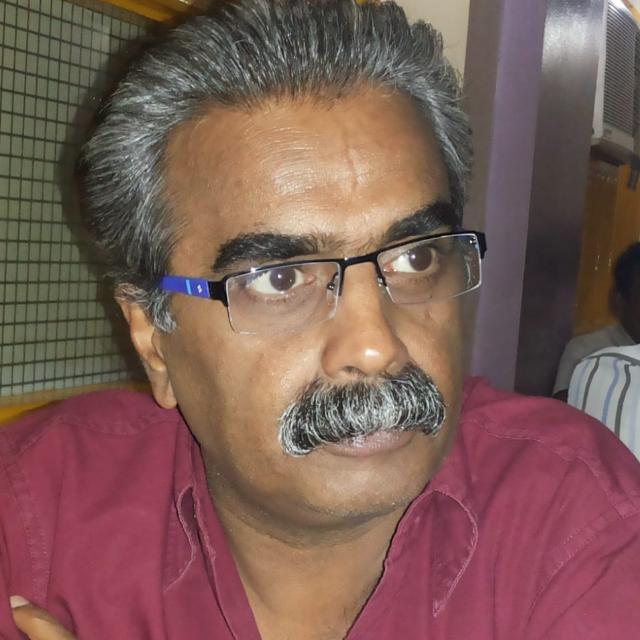
Satyajit Shriram Joshi
Satyajit Shriram Joshi is Pune based senior journalist.